

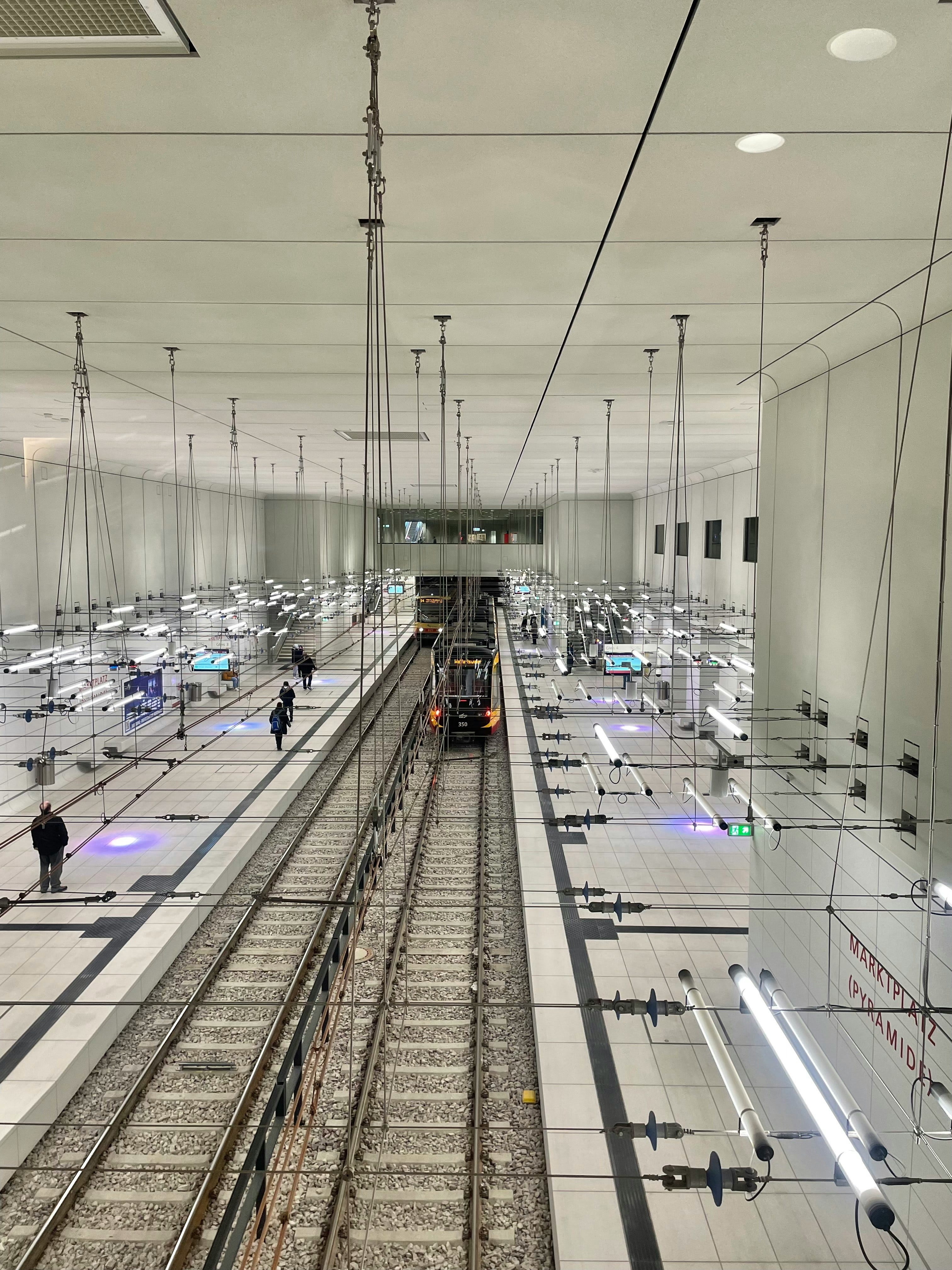
Few things stir as much controversy in Edinburgh as transport. Whether it be seemingly endless roadworks, potholes that wouldn’t look out of place on the Western Front or just simply more noise around ‘the trams’.
What isn’t up for debate is that Edinburgh is one of the most congested cities in the UK, ranking 66th in the world (and bear in mind that the World Urban Forum reckons there are around 10,000 cities around the globe with populations of 50,000 or more.)
But what does that mean? For starters, in Edinburgh in 2024 the average driver spent 235 hours driving, and 94 of them are due to congestion. That 94 hours of life wasted – almost four days - could have been spent more enjoyably with friends and family.
But there’s enough gloom in the world, so first let’s remember some great stuff about our city. Edinburgh is a UNESCO world heritage site, it’s the world’s leading arts festival city, renowned for everything from its culture to its quality of life, a medical, technology and scientific pioneer, and is now even outperforming London in terms of the economic output of its citizens.
Still, all that success is not shared equally across the city and surrounding areas. Over 80,000 people in Edinburgh live in relative poverty, 10,000 rely on foodbanks, and the City of Edinburgh Council has declared a housing emergency. Edinburgh and the Lothians are also Scotland’s fastest-growing region, which will only deepen these challenges and worsen congestion. That’s without even mentioning the severe carbon emissions and dangerous air pollution from fossil fuel vehicles which are harming our planet and population.
Economically, congestion is massive problem. It cost the UK £7.7 billion in 2024, with Edinburgh alone losing £125 million, equivalent to £494 per driver. There are no quick fixes for these deep-rooted problems, but sustainable transport can be a powerful catalyst for change. By reducing dependence on expensive car ownership amid a cost-of-living crisis and expanding travel options, we can open up opportunities to new jobs, education, healthcare, and create areas for development with desperately needed housing. Think Shawfair, Seafield and the creatively named West Town.
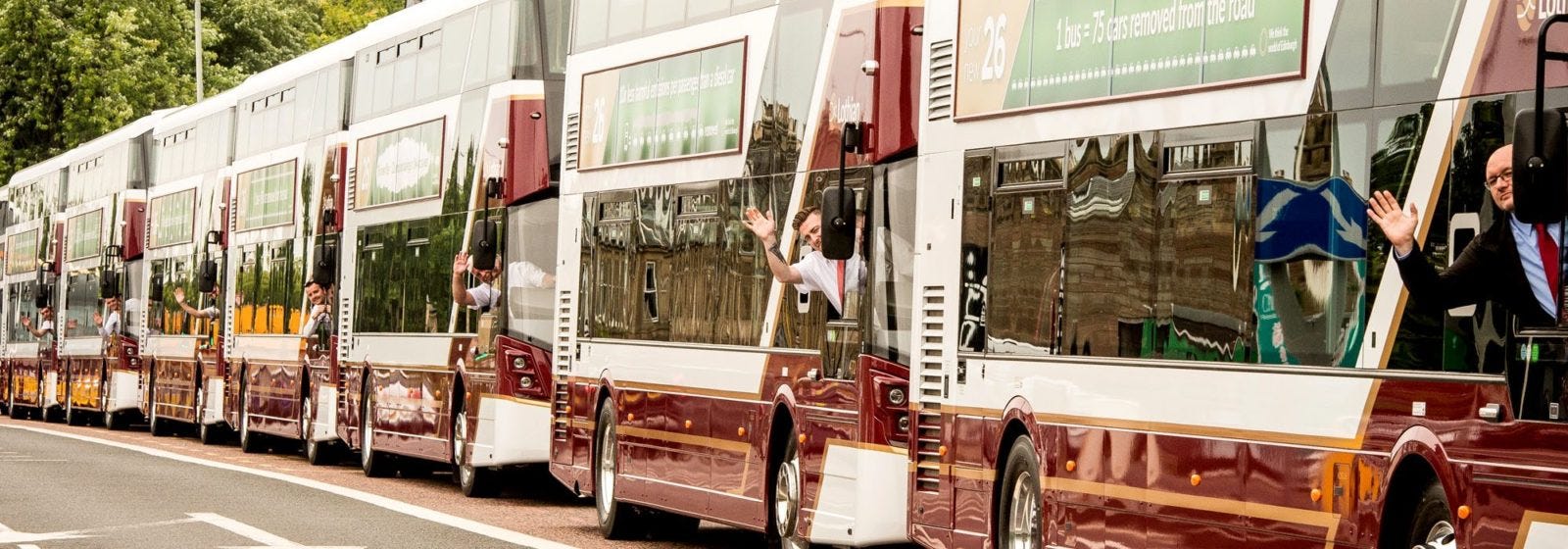
Despite being UK Bus Operator of the Year 2024, Lothian Buses cannot meet this challenge alone. Council figures show that Edinburgh would need around 300 more buses to meet peak times, at a capital cost of £150 million and a further £75 million cost in revenue per year. In short, we risk swapping car congestion for bus congestion for a substantial cost.
