


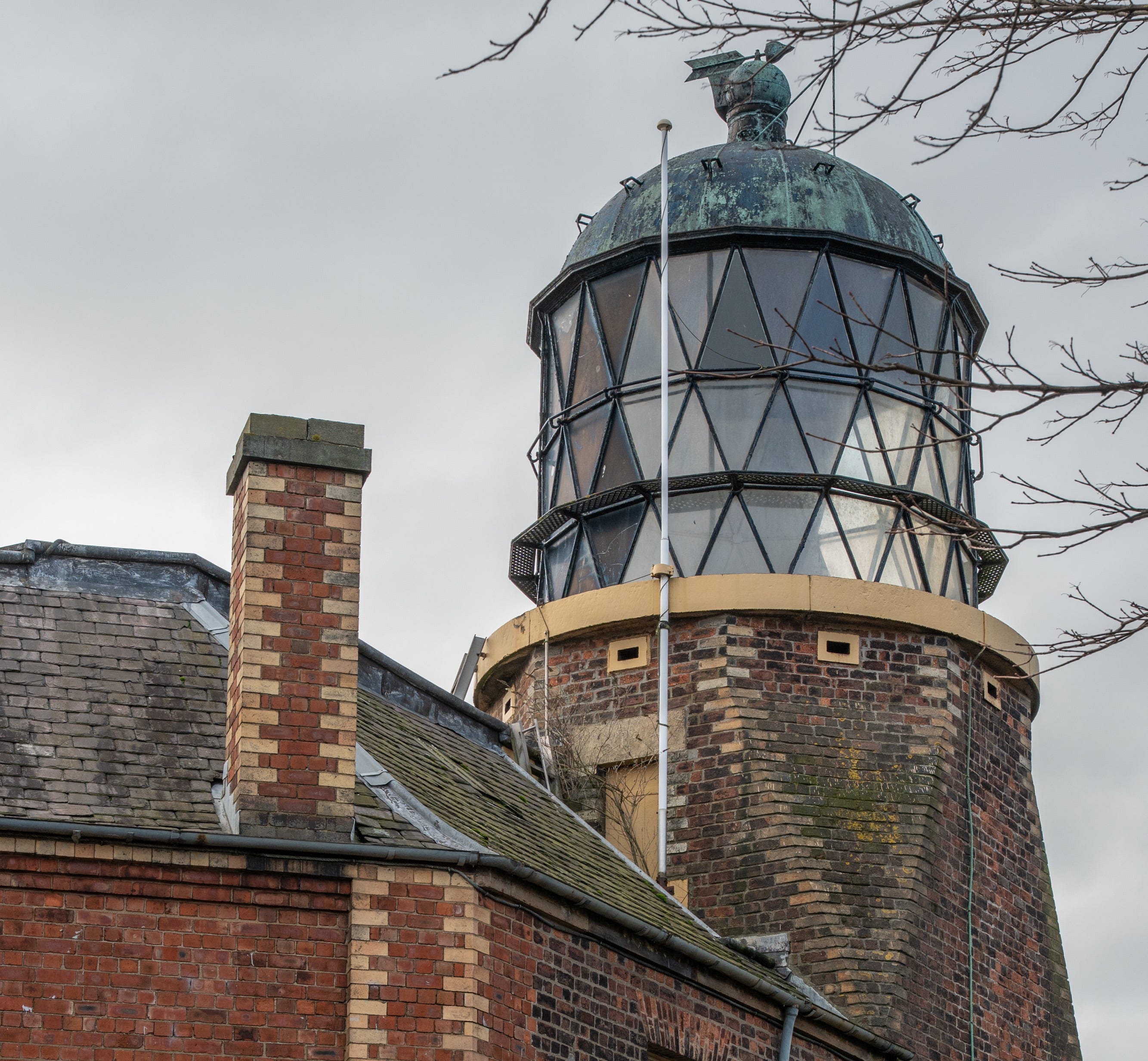
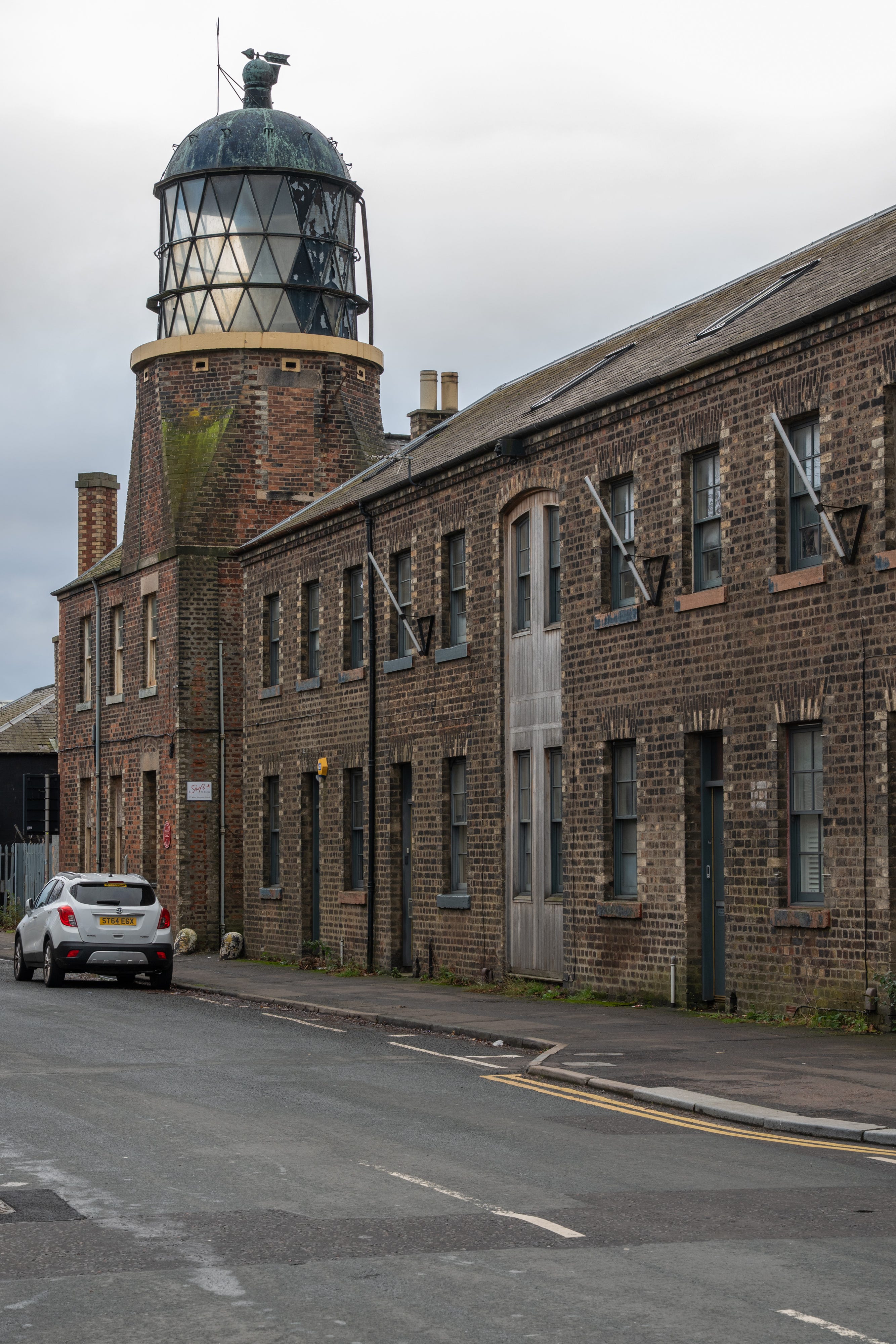
For more than a century, the lighthouse at Granton was a busy depot for the Northern Lighthouse Board.
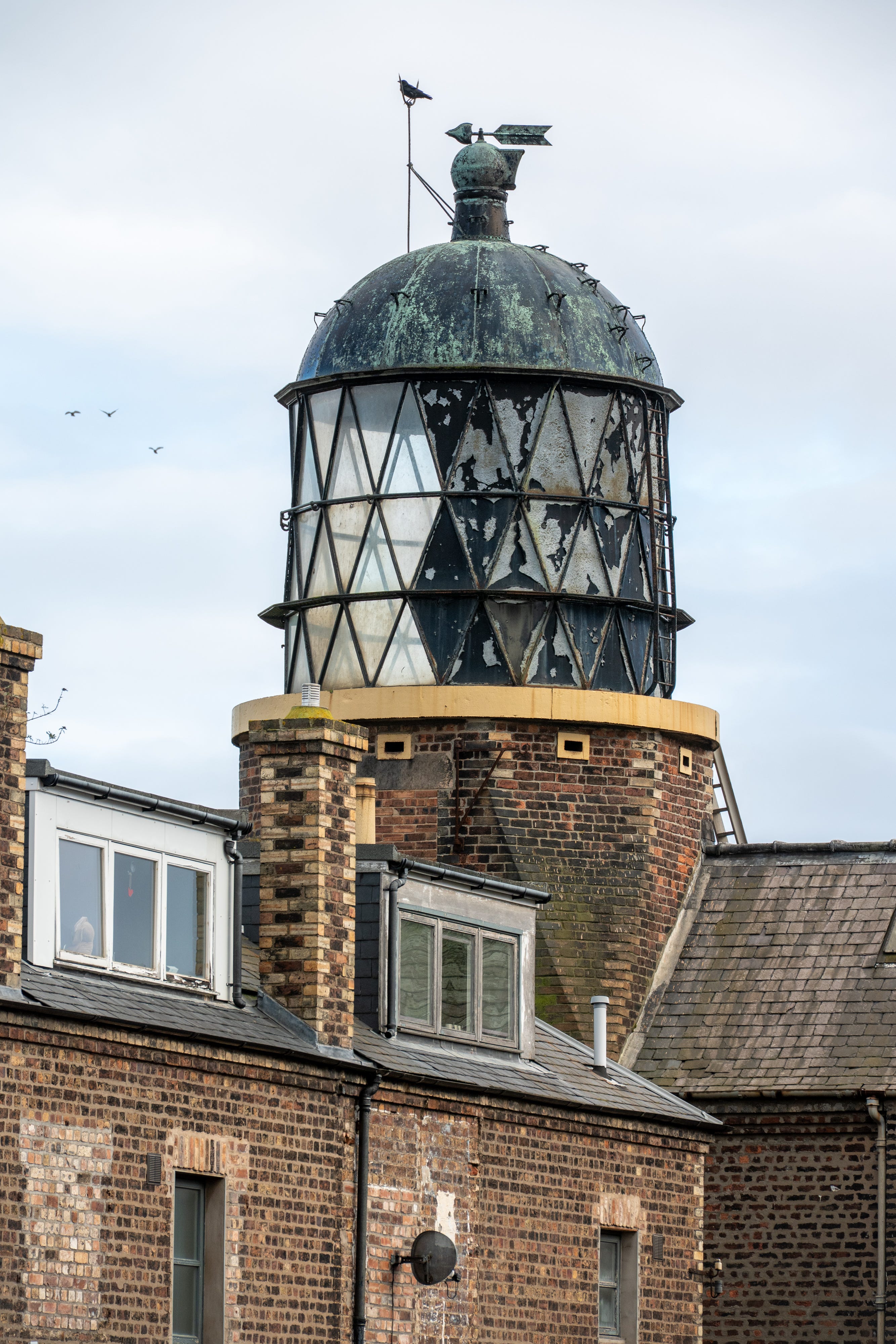
The experimental tower with its lantern copula was added in 1874, though it never served as a working lighthouse.
Instead, the sturdy red-brick warehouse was used to teach lighthouse keepers their trade and to experiment with new technologies of the time.
But the story of the disused testing station is being rewritten – and will see it brought back to life as a beacon of a different kind.
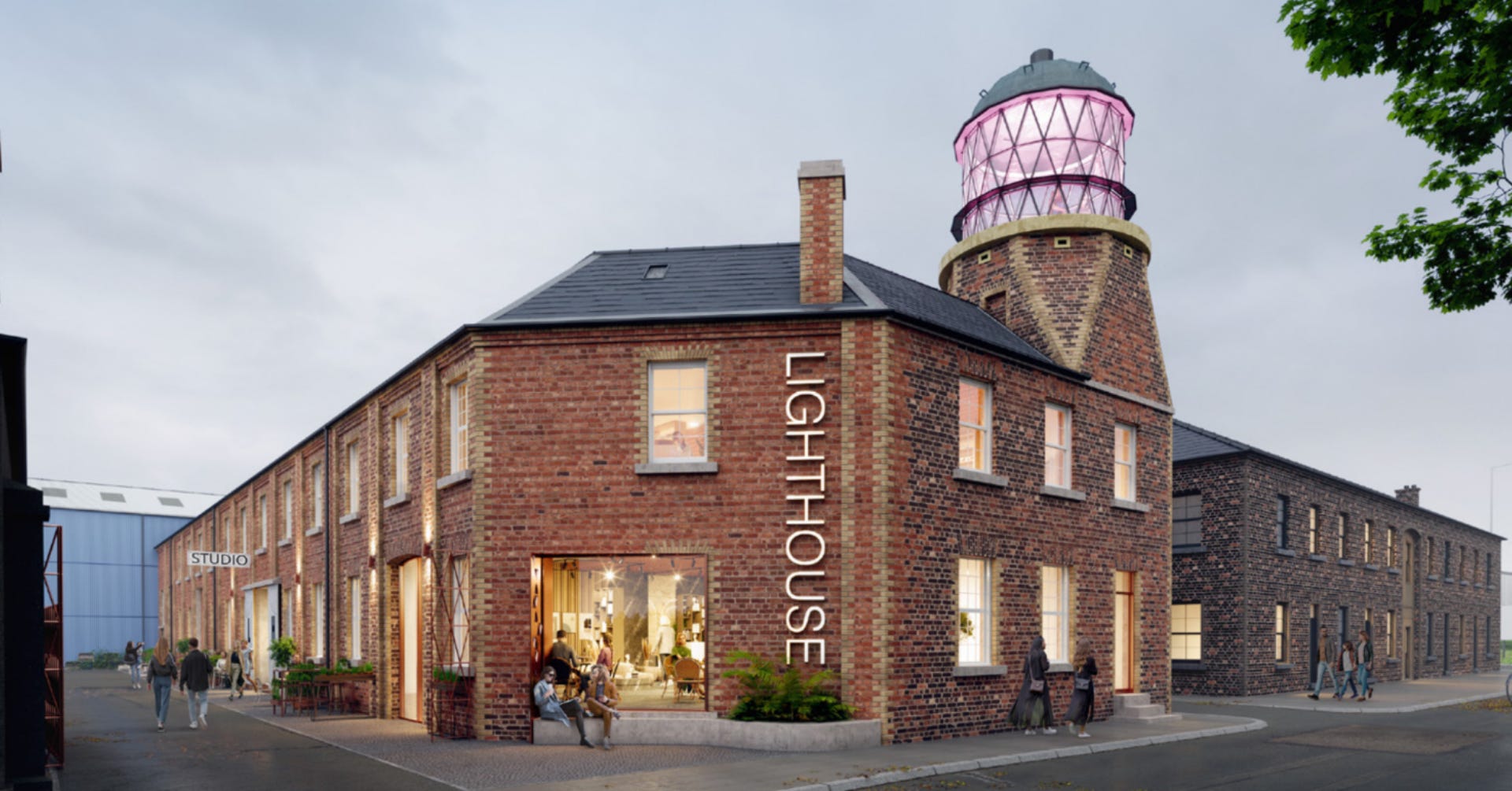
The dilapidated building will be transformed into a community space, as part of the city’s ambitious waterfront regeneration.
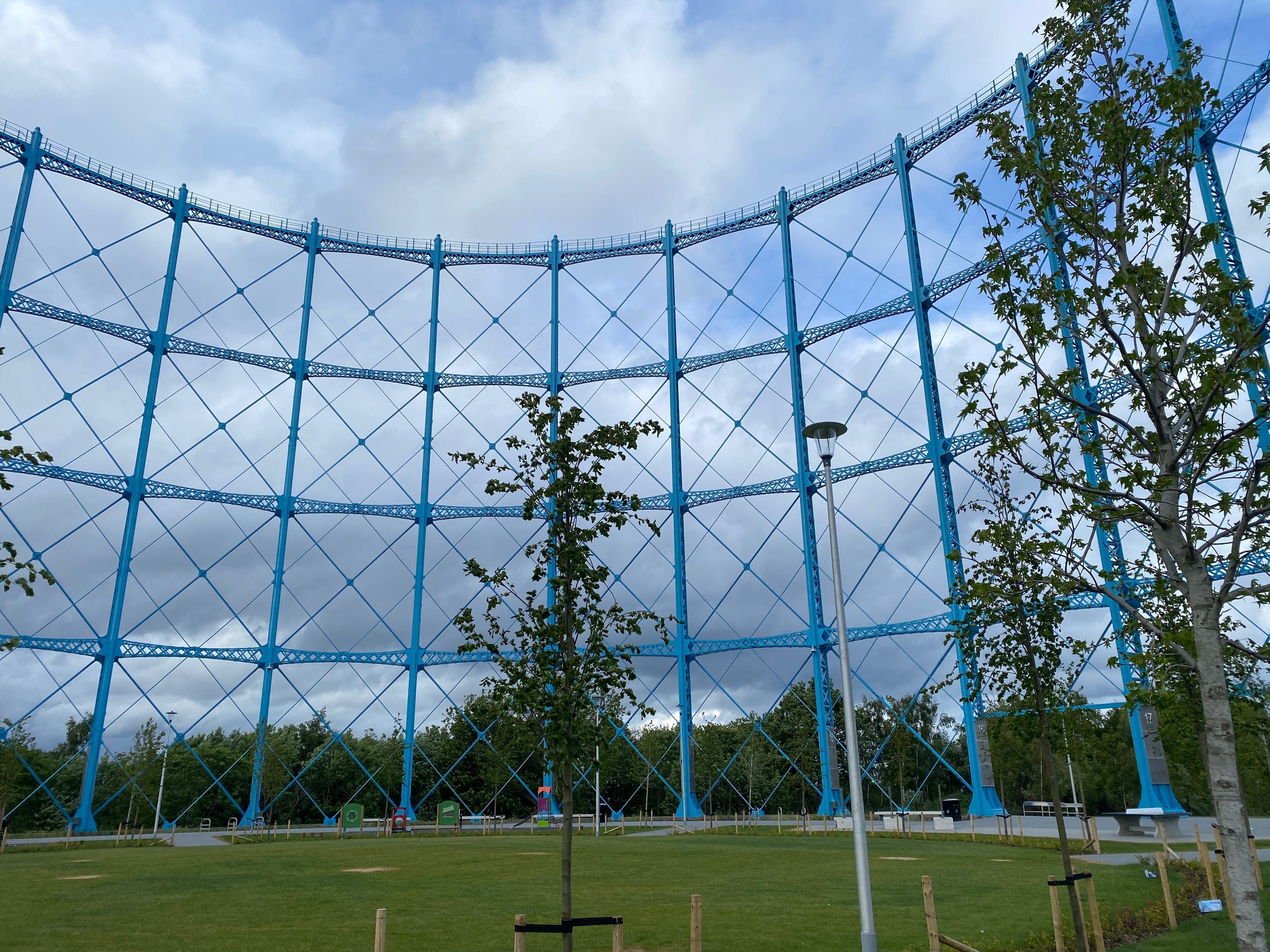
It’s at the heart of the Granton Waterfront £1.3bn redevelopment, on the Capital’s largest brownfield site, which includes new homes and public spaces including the giant gasholder frame, restored as a striking landmark and open-air events space.
This week the balance of the £4.2m funding required to bring the historic C-listed building back to life was unlocked, as the Scottish Government announced £2.3m to transform it into a community arts and education hub.
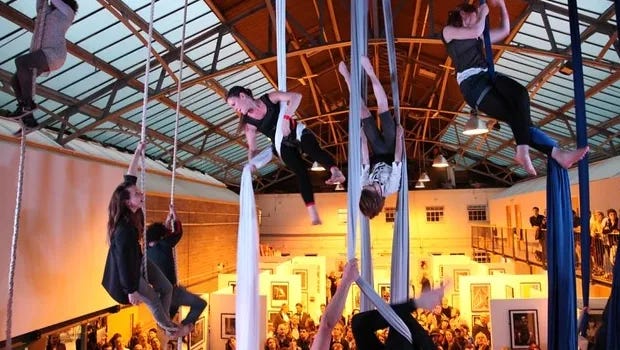
Out of the Blue Arts and Education Trust (OOTB) will operate it as a creative hub following its restoration. Like their successful Drill Hall venue in Leith, the hub will have flexible workspace, exhibitions, and a cafe open to the public.
A home for musicians
But chief executive Rob Hoon says the Lighthouse will have more of a music focus with recording and rehearsal spaces at the fore. It could even host intimate gigs.
Hoon told The Inquirer: “A lot has changed over the years around Granton and people are enthusiastic about this project. At this stage, we are looking at the hub with more of a music emphasis. It could bridge what’s already on. We always try to stay mindful of the character of the building itself.
“Depot music already runs a studio there. We would look at how to get more people in using studio recording and rehearsal spaces.
“I can see small scale performances being put on. We are in talks with the college, Tinderbox Collective and the Granton Youth project.
“We are working closely with the architects and feeding into design work at this stage. A lot of our plans are flexible. But I’m so excited to be part of the huge change happening in such a vibrant area.”
More than 30 years since it first started as a grassroots project, OOTB has expanded its enterprise with studios and club venues across the city.
But Hoon jokes they are “not building an empire yet”. “The arts connect with each other, communities are built and that has a lasting impact” he says. “I can’t get over the demand for the Drill Hall and how much it has grown over the years.”
He took the helm at Out of the Blue 19 years ago, after working with WHALE arts in the north of the city.
Hundreds of artists looking for space
One of the prospects he is excited about is taking another step towards meeting the massive unmet demand for artists’ workspace in the Capital. The waiting list for the kind of flexible workspace which the Trust provides is now at 1600.
“It ebbs and flows. But the number of people waiting for a workspace has gone up by 100 in the last month alone. Our mission has always been to find space that people can use and that is sustainable.”
The Trust already leases studios at four other locations: Niddrie Mains Road; Abbeymount on Easter Road; private studios on Iona Street, Leith; and the Bongo Club on the Cowgate. They are creating another studio and hub at Powderhall Stables as part of the mixed-use redevelopment on the former council waste site.
The OOTB approach works, he says, because they put in real effort to make lasting connections within local communities. Granton will be no different.
Hoon has already discussed the music plans with Harbour Homes, the former Port of Leith Housing Association which is developing new homes in the area, and the feedback so far has been positive, he says.
The revamped space will house 120 artists and creatives in shared studios and workspaces with over 5,000 members of the community accessing the space for workshops, events and the cafe each year.
For Hoon, it’s about creating a space that is a thriving part of the area. “I think what we do goes beyond consultation. It’s about something much more hands-on; it’s about getting involved.”
As the refurbishment progresses, Hoon hopes to work with young people and local organisations, creating opportunities for everyone involved to learn about the area’s distinctive industrial heritage.
“The riso print project is something we hope to bring to the Granton project. It uses plant-based materials to create zines. We plan to run a group to produce and distribute flyers or zines locally. It’s great for skills development and drumming up that awareness so the project is in people’s minds.”
When the Trust first took on the Drill Hall, they delivered a project with local schools and community councils to refurb a local derelict park.
“We had people coming along to meetings complaining about how we shouldn’t be rewarding anti-social behaviour. It was a place where young people would hang out. We stuck to the plan and carried on working in partnership with the council and local schools to raise the money and did some landscaping work.
“One of the young people who hung about in the park came to work in our cafe for years. She now runs her own business. To get that buy-in and make an impact like that is powerful.”
A restoration surrounded by restorations
While OOTB deals with the nitty-gritty of the refurbishment, the main challenge will be to make sure they integrate into what’s already going on.
With funding now fully secured, the next step for the Lighthouse will be to finalise the design and get that through planning.
Funding for the £4.171 million project includes £2.278 million from the Scottish Government’s Regeneration Capital Grant Fund. Additional support has come from Historic Environment Scotland’s Heritage and Place Fund (£1.610 million) and the City of Edinburgh Council (£0.283 million).
OOTB will take on a 75-year lease in 2027. The restoration is expected to begin later this year and could be complete by 2030.
Original features of the Lighthouse, including the lantern, will be restored, while surrounding outdoor areas will be redesigned as social spaces with seating and greenery. The plans also include some accessible parking and cycle storage.
Funding for other arts-based heritage projects in the area has also been secured. That includes turning Madelvic House, a Victorian red stone building which was the original offices of Britain’s first purpose-built motor factory, into a community arts hub.
Granton Castle Walled Garden is being restored and the former platforms at Granton Station Square are being converted into a public square.
Hoon said: “We are aware of communities and will keep building partnerships, keep listening to what people need. It’s clear that creative workspaces are vital to the local economy. If people can’t find a space they can afford, they will leave the city. The demand is huge. It’s good to see support for organisations like us, and to know buildings are not just leased to the highest bidder.”
If you enjoyed Jolene’s piece, you might also like Sarah McArthur’s long read on the Out of the Blue story: Nothing but three young women and an idea