


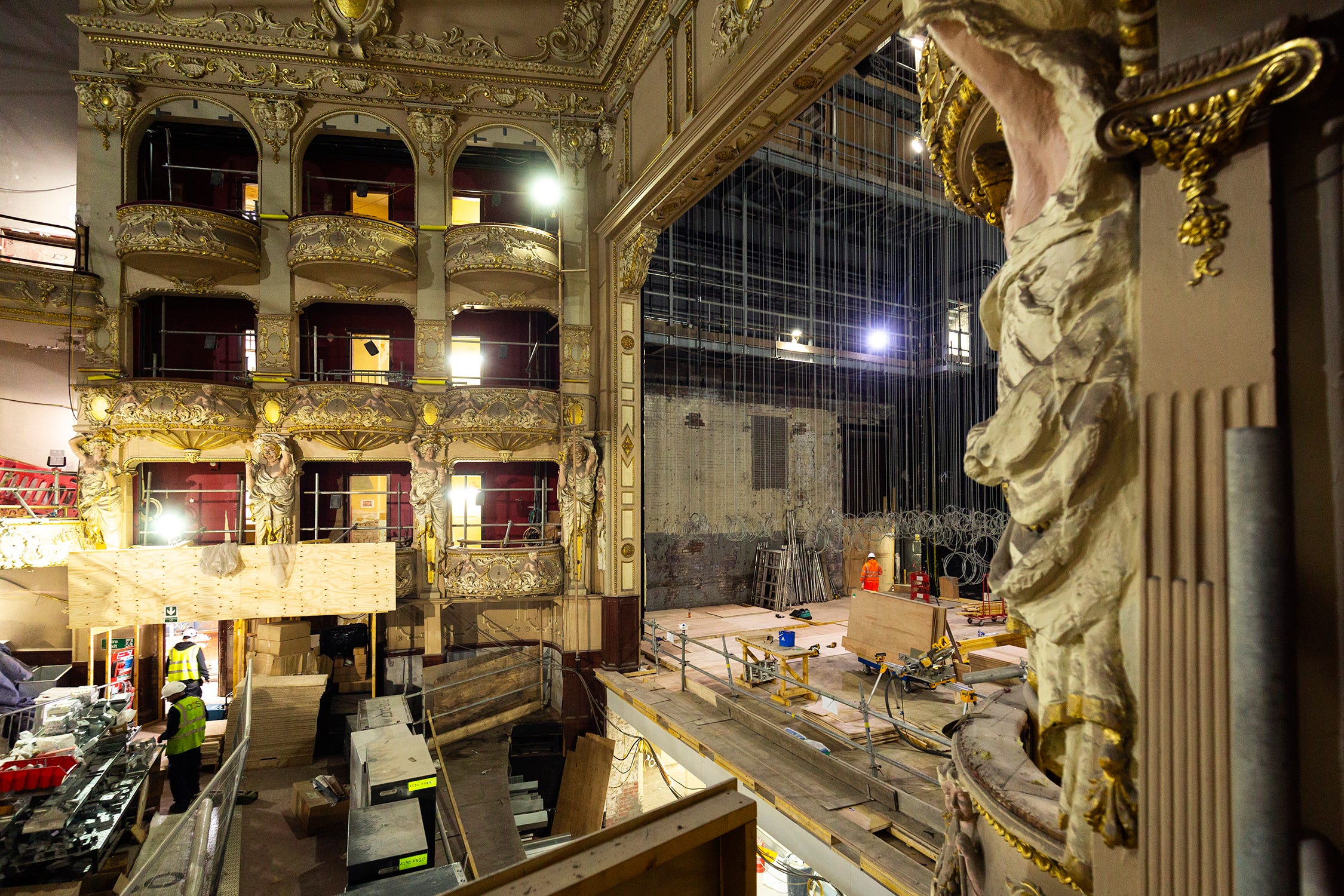
“It’s beginning to feel like a theatre again. And I think that’s what’s exciting about it.”
Fiona Gibson is counting down the hours until the city’s most famous building site reverts to a beloved arts venue. The chief executive of Capital Theatres is watching the final pieces of an extensive infrastructure puzzle lock into place, writes Will Quinn.
The King’s Theatre, which has been shut down since February 2023 for a £25 million redevelopment, officially reopens on August 1. The heavy lifting is finished. The dust is settling. The seats are going back into the auditorium.
It’s been missed - very missed. Capital Theatres are currently relying on post-show bucket collections at the Festival and Studio Theatres to cover a £500,00 shortfall on the project. They can reasonably expect to meet that target. Yet keen as Fiona is to welcome audiences back in, the theatre’s long-suffering neighbours are high in her thoughts as well.
“When you look at all the cafes, the restaurants, the shops, they’ve really been hit with the footfall drop,” says Gibson. “They’ve been amazing neighbours. I have been eternally thankful to them for sticking with us and being as excited about it as we are, actually.”
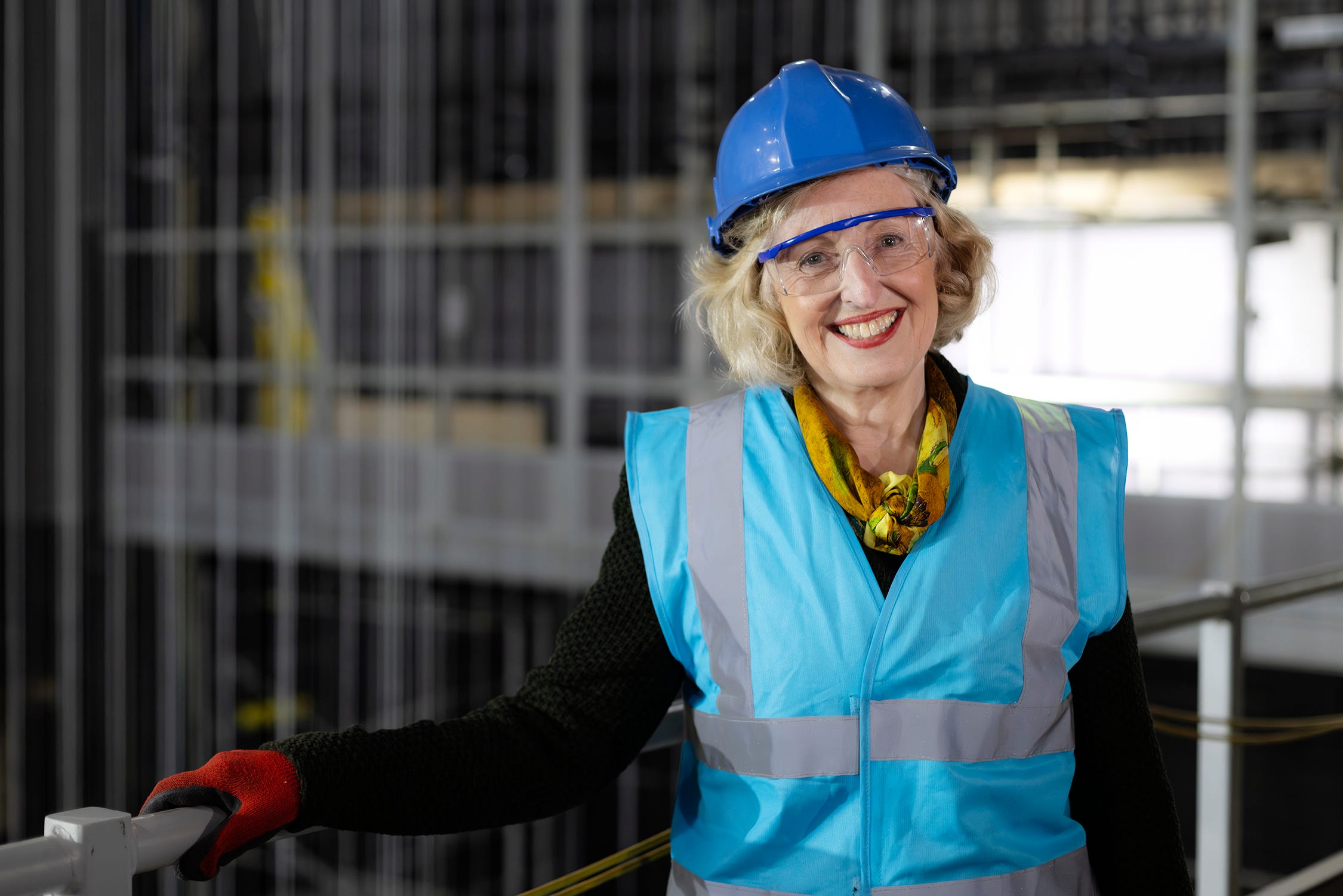
From corporate risk to cultural capital
The mandate to gut and modernise an Edwardian building, effectively landlocked within a tight network of city centre roads, requires a specific type of administrative nerve. Gibson did not follow a conventional route into arts management. Her career began on the business side, spent largely within global management consulting firm Accenture.
“I ran a number of global businesses and one of them included construction,” says Gibson. “I understood how construction companies worked, I understood the risk profile that they needed to consider, so I had a bit of an inkling about how that worked, from the point of view of the construction company. Which is helpful when you have to deal with some difficult projects.”
Though she held a drama degree from Glasgow University, it was this corporate background that drew her into local theatre in 2016. The Octagon Theatre in Bolton was preparing a capital project and needed executive leadership.
“The Octagon said, well, if you’re interested, we’d love you to come and do the capital project with us, use your skills from business, as well as construction, along with understanding the arts. That was my passion,” Gibson says. “So, yeah, I made the decision to do that.”
After completing the redevelopment of the 1960s structure - adding a new studio space and upgrading the front-of-house areas - she transitioned to the Liverpool Everyman and Playhouse as interim chief executive. The Everyman was a fresh, modern build, but the Playhouse was a heritage venue facing structural and operational challenges, mirrored by the King’s. It offered a lesson in long-term financial survival.
“Very often in theatre, when you do a capital project, it’s quite hard to make it financially resilient for the years after the first year,” Gibson says. “The first year, everybody wants to see the building; they want to see what you’ve done with it, they’re excited to come back. But actually, once you get into years two and three, it can be quite hard.”
False starts and landlocked logistics
When Capital Theatres headhunted Gibson to succeed Duncan Hendry, the plan was simple: move to Edinburgh in April 2020 and commence construction immediately after that summer’s Edinburgh International Festival. Instead, the arrival of the pandemic derailed the schedule entirely.
Trapped in the northwest of England due to travel regulations, Gibson could not physically move into her post until June 2021.
“That’s when we were able to open the theatre for the first time after Covid for that brief period, which took us up to Christmas Eve, which I’ll never forget. The panto was up and running and then of course the rules changed again, and we had to shut the theatre for another few months.”
When the project was finally ready to break ground in late 2022, global economics fractured after the outbreak of war in Ukraine.
“The cost of building materials, steel, timber, went up considerably, and availability of materials was going to be a challenge. So we didn’t actually start until the end of February ‘23.”
Major urban construction projects always offer challenges and the King’s was no exception.
“You are completely in the middle of a residential area, you’re on a main junction. There’s nowhere to get it wrong. Where do you go, even for the construction company to be able to have welfare units, to get supplies coming in. All of those things were much, much harder than you would imagine,” says Gibson.
“We hit a moment quite early on where the bedrock was really difficult to dig into. The process the construction company had wanted to use to dig deep to put the lifts in - ‘cause obviously we’ve put three lifts in - that proved much harder. So, the very first delay came quite early on. All of those things… obviously peppered with a range of sleepless nights. It can be a roller coaster.”
To develop a genuine understanding of stagecraft, Gibson brought the building crews from contractors Robertson Construction into the live environment of the Festival Theatre.
“They have been amazing in really feeling the need for this building and the love for it. We brought them up to the Festival Theatre to see how it works... Because we can show what it means to have a fully functioning theatre, they understand what a fly tower means, they understand what prompt desks do.
“We’re just about at that stage where we’ve started commissioning things. Checking the life support systems work, the fire alarm goes off when it should, the angles of where you put the follow spot will actually hit the stage on the plan we made.
“It’s a combination of back of house stage work right through to is the ice cream machine plugged in in the right place for the bars.”
On the level
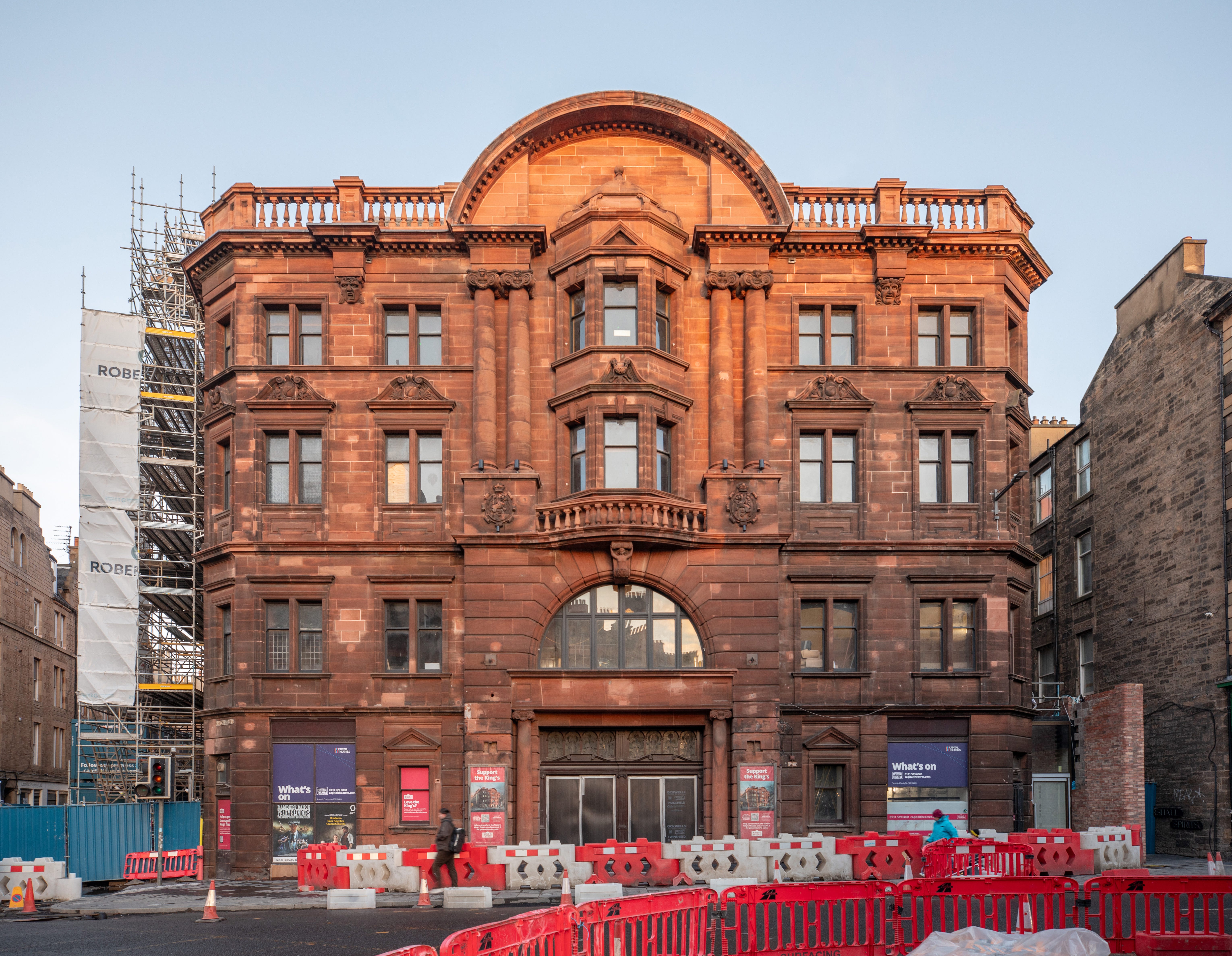
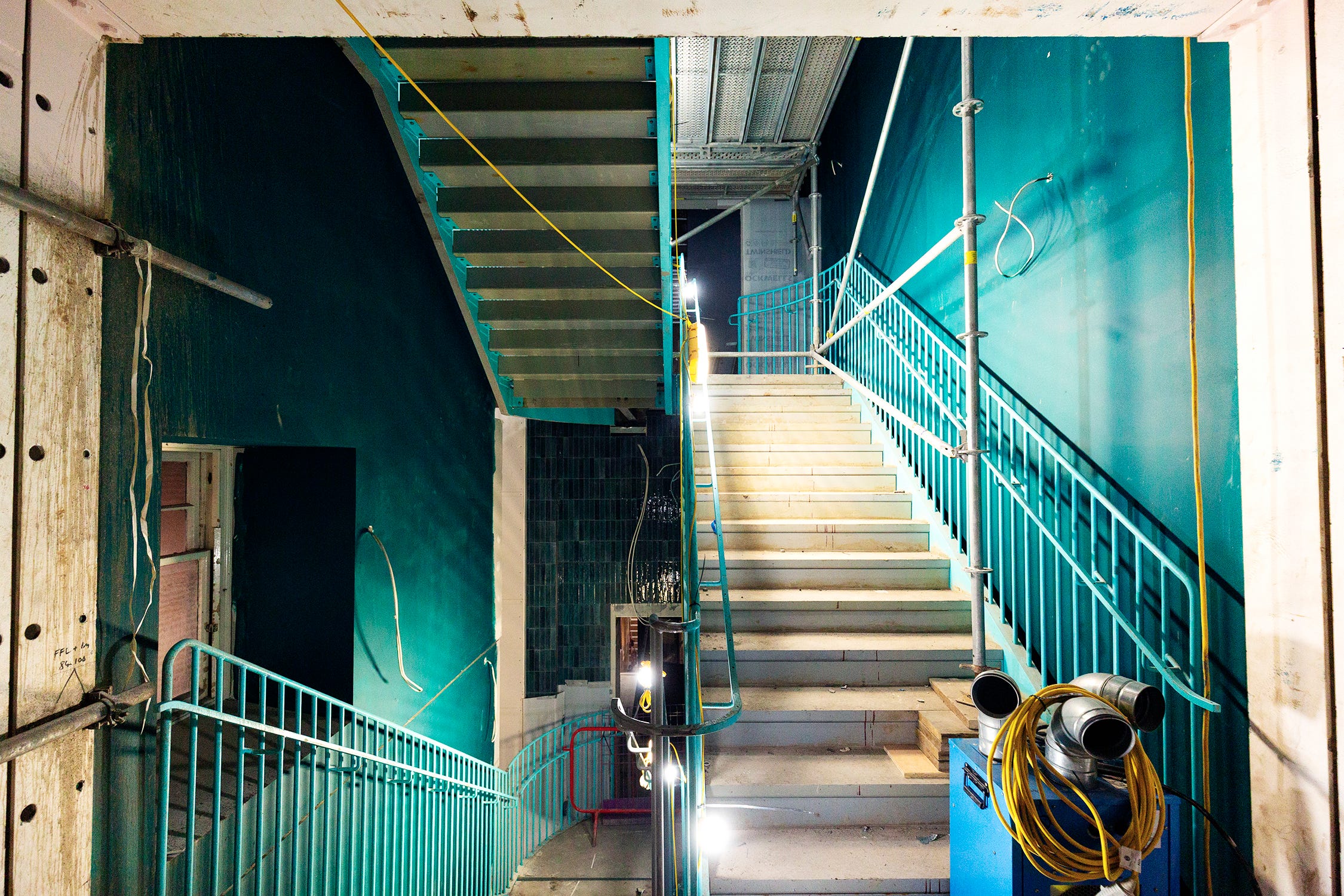
The physical changes will, quite literally, alter the building’s relationship with Leven Street. Historically, a closed space during daylight hours, the redevelopment will integrate the theatre into daily community use.
“We’ve levelled the front of the King’s so the pavement is the same as the Festival Theatre actually where you’ve got one end with a couple of small steps and the other end is level. The level end is where the cafe and stage door lane is, so anybody will be able to access from street to seat and even onto the stage. The King’s will be fully accessible, which it never was before.
“It was really important for us to put in something for the community that they can use every day, all day, whether we’ve got a show on or not. We’ve also put in a creative engagement studio at the top of the building. Communities coalesce around food. So we wanted to have a cafe where people can spend time, relax.”
Restoring the creative voice
Under Duncan Hendry’s tenure, Capital Theatres operated primarily as a receiving operation to repair the organisation’s finances following deficits in 2008. Gibson took the job with an explicit brief to rebuild a co-producing model.
“Duncan and I were talking about this a lot. He was brought in to turn it around financially, which he did beautifully. But when he and I talked, he knew there needed to be that edge, to have a little bit of producing, to do it safely and carefully. It was very important to me that we had a producing element, given that was my background.”
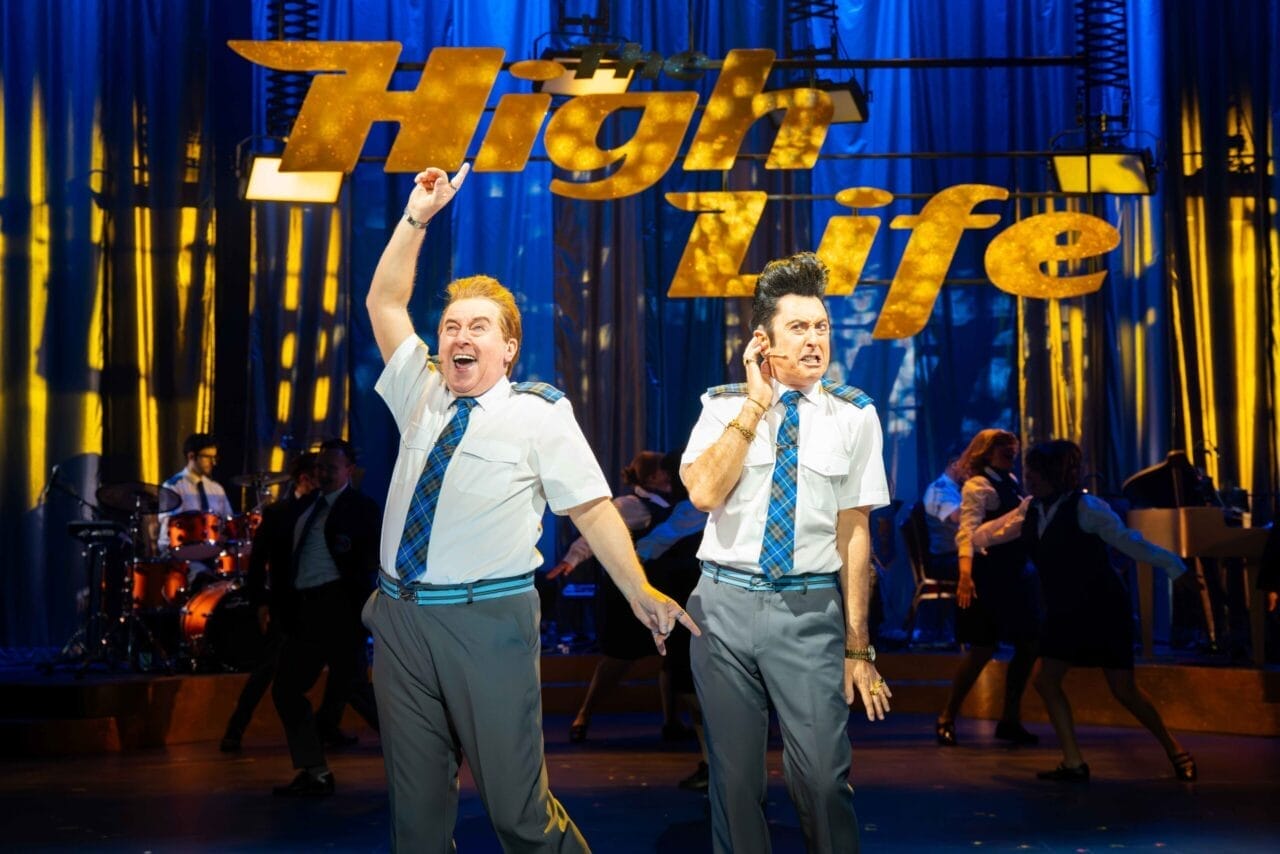
The strategy has already altered the organisation’s footprint via partnerships on Sunshine on Leith with Pitlochry Festival Theatre, James IV and James V with Raw Material, and the co-commission of It’s a Sin with Rumpus. Most recently, the trust co-produced The High Life, starring Alan Cumming and Forbes Masson, alongside the National Theatre of Scotland, Dundee Rep, and Aberdeen Performing Arts.
“When you are rehearsing something in your building, you have a different ownership and a different love for getting that on the stage. In the Studio, we’ve done a lot of that with our artist support program. Not only have we commissioned work, but we also co-produced work, and we’ve just supported artists in helping them develop their own work.”
Flatter stages, bigger markets
The crucial engineering change inside the auditorium is the removal of the stage’s historical rake, its traditional upward slope. By replacing it with a flat deck and raising the fly tower - the void above the stage to which lighting and scenery can be attached and ‘flown’ into view - by 4.5 metres. The venue can now accommodate contemporary touring requirements that previously bypassed the city.
“The West End producers look at the (1120-seat) King’s as quite a big theatre, so they are super excited about it coming back and the new things they can do. Dance is quite a big change for us ‘cause we’ve taken the rake out of the stage. We’ve got quite a lot of dance in the opening season.”
The flat stage allows the theatre to secure work like Jasmin Vardimon’s Lullaby, Mark Bruce’s An Accident of Life, and physical company Ockham’s Razor, who appear in August as part of the Edinburgh International Festival program. During the build, Gibson intentionally rerouted core drama touring to the Festival Theatre to avoid losing the King’s traditional audience base. “The King’s was a drama house at its heart,” says Gibson.
The panto and am-dram
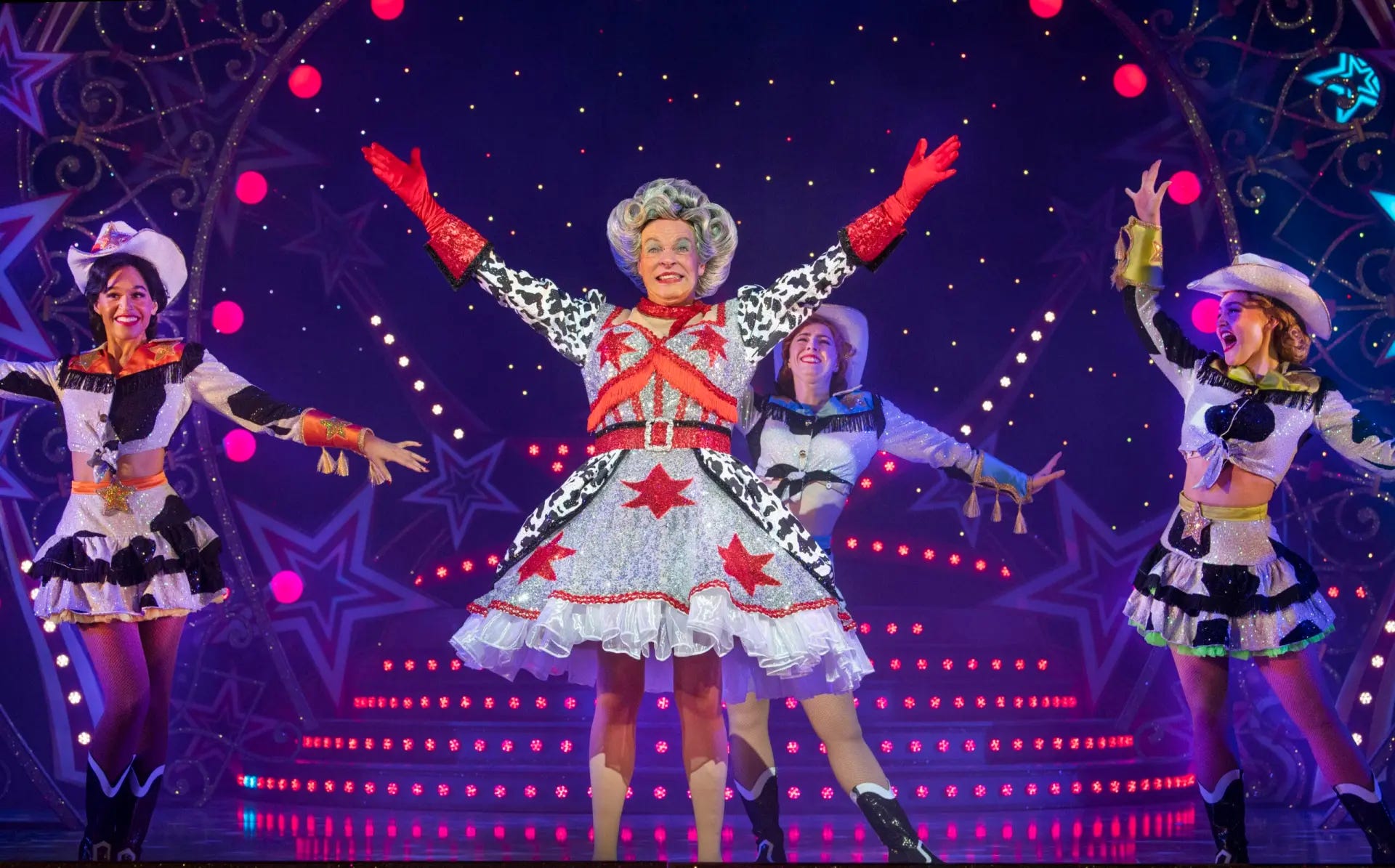
The King’s structural rebirth will also restore the local seasonal ecosystem. For three years, the annual pantomime moved to the Festival Theatre, a logistical headache achieved only by negotiating calendar space with Scottish Ballet. Capital Theatres takes Christmas very, very seriously.
“I always love when we start the rehearsals for panto. Ed, who is the director of pantomimes says to the cast, a pantomime is as big as a West End show. We have to have that mentality when we are putting it on the stage and thinking through the plot.
“We can add the Studio Theatre in for Christmas. The wee ones’ commission that we now do with Aberdeen and Dundee Rep allows Scottish writers to have a guaranteed Christmas show.”
One of those shows, Brrr, has already found life beyond this invaluable commission - and you’ll find it forming part of this year’s Edinburgh Children’s Festival.
Looking beyond such co-commissioning success, Capital Theatres has a long-standing association with some of the city’s brightest amateur outfits: you’ll find some of the city’s leading ‘unpaid professional’ outfits in the test-opening line-up.
On July 23, groups including EDGAS, Southern Light, the Bohemians, and the Edinburgh Gang Show will stage A Great Night Out to test front-of-house systems. Gibson completely agrees these groups operate as unpaid professionals.
“The community companies we work with are absolutely part of that quality that I talk about. I am constantly amazed by how incredible the quality of the work is. Their ambition belies everything, doesn’t it?”
Read Will’s celebration of the city’s outstanding drama volunteers: ‘It’s not amateur theatre, it’s just unpaid’
Bricks, mortar and messages
However impressive the current occupants - in-exile - of the King’s Theatre, it transpired that the Old Lady of Leven Street would provide her own flourish ahead of the door’s being unlocked again. Contractors discovered a historic time capsule hidden within the fabric of the walls during the early phases of the build back in 1906.
“To have found that bottle was just a gift, because the stories of the people’s names, the master plasterers, the architect, and the owners of the building. The genealogy that was done to find descendants still living in the city of those people has just been wonderful. A couple of them said you know what, in our family tradition over the years, there was always what we thought was a myth that something had been hidden in the King’s and nobody ever had found it.”
The theatre’s current “hope in a bottle” campaign is replicating the gesture, collecting public submissions to place back into the structure before the doors open.
“When you read the messages that are coming on those bits of paper and going into the bottle, they are just beautiful. They’re not just about bricks and mortar. It’s about what has gone on inside that building since 1906.”
Thanks to Fiona Gibson and the endlessly optimistic Capital Theatres team, ‘things’ will continue to go inside that building well into the future. It may remain anchored on that virtually immovable bedrock, but it will return a modernised asset, engineered to face its second century and beyond.
The King’s Theatre begins its public testing phase on July 23 before the official reopening weekend on August 1.