



First it was the smash-hit Netflix series Adolescence, then Louis Theroux’s Manosphere documentary - our screens are full of exposés of a trend towards an increasingly extreme and damaging view of masculinity.
It’s sobering stuff to say the least. Yet across the Fringe this summer there are heaps upon heaps of shows which talk about the manosphere and toxic masculinity. It’s no surprise to see a host of Fringe shows making dark comedy out of serious subjects - but is that all that’s going on here? Or is there something bigger at work?
The “manosphere” as defined by UN Women, the United Nations organisation delivering programmes that uphold women’s human rights, is “an umbrella term for online communities that have increasingly promoted narrow and aggressive definitions of what it means to be a man – and the false narrative that feminism and gender equality have come at the cost of men’s rights. These communities promote the idea that emotional control, material wealth, physical appearance and dominance, especially over women, are markers of male worth.”
These traditionalist ideas of what masculinity is appear to be spreading, too: according to the Movember foundation, two thirds of young men regularly interact with masculinity influencers online. A recent worldwide Ipsos poll revealed that 31% of men in their teens and twenties believed “a wife should always obey her husband”, while 13% of older men aged 60 and over agreed with the same statement. A 2024 poll found that in the UK, 25% of males aged 16-29 believed it is harder to be a man than a woman, and 16% of males aged 16-29 believed feminism has done more harm than good, compared to 13% of over 60s. In Scotland, a Barnardos poll of 13 to 20 year olds in the UK found that 72% of boys said they believed they were expected to “act tough and not show emotion.”
These opinions don’t just become unsavoury comments that we overhear on the bus - they are damaging to men and women. Zero Tolerance is a leading Scottish charity aiming to end men’s violence against women and girls- according to co-director Rachel Adamson, “boys’ attitudes are becoming more misogynistic as they’re targeted by manosphere content online. This content harms young men’s relationships and mental health, as well as encouraging them to engage in violence against women and girls.”
I spoke with four comedians about their motivations for doing shows about masculinity, and discussed what power comedy might have to change the way we think about the world. It seems callous, almost disrespectful to make a joke out of rising misogyny - but the responses and perspectives of these four comedians show they are anything but callous.
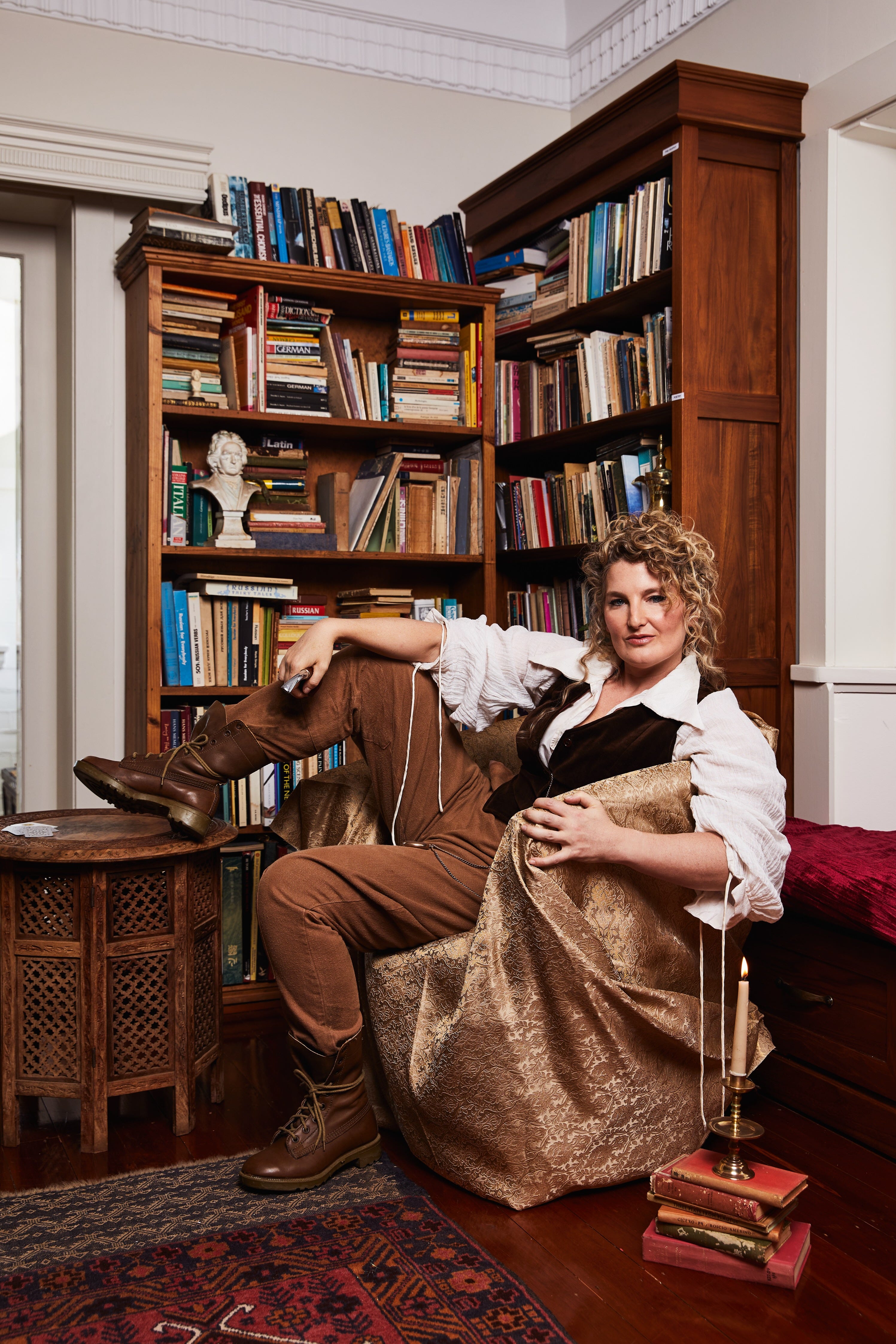
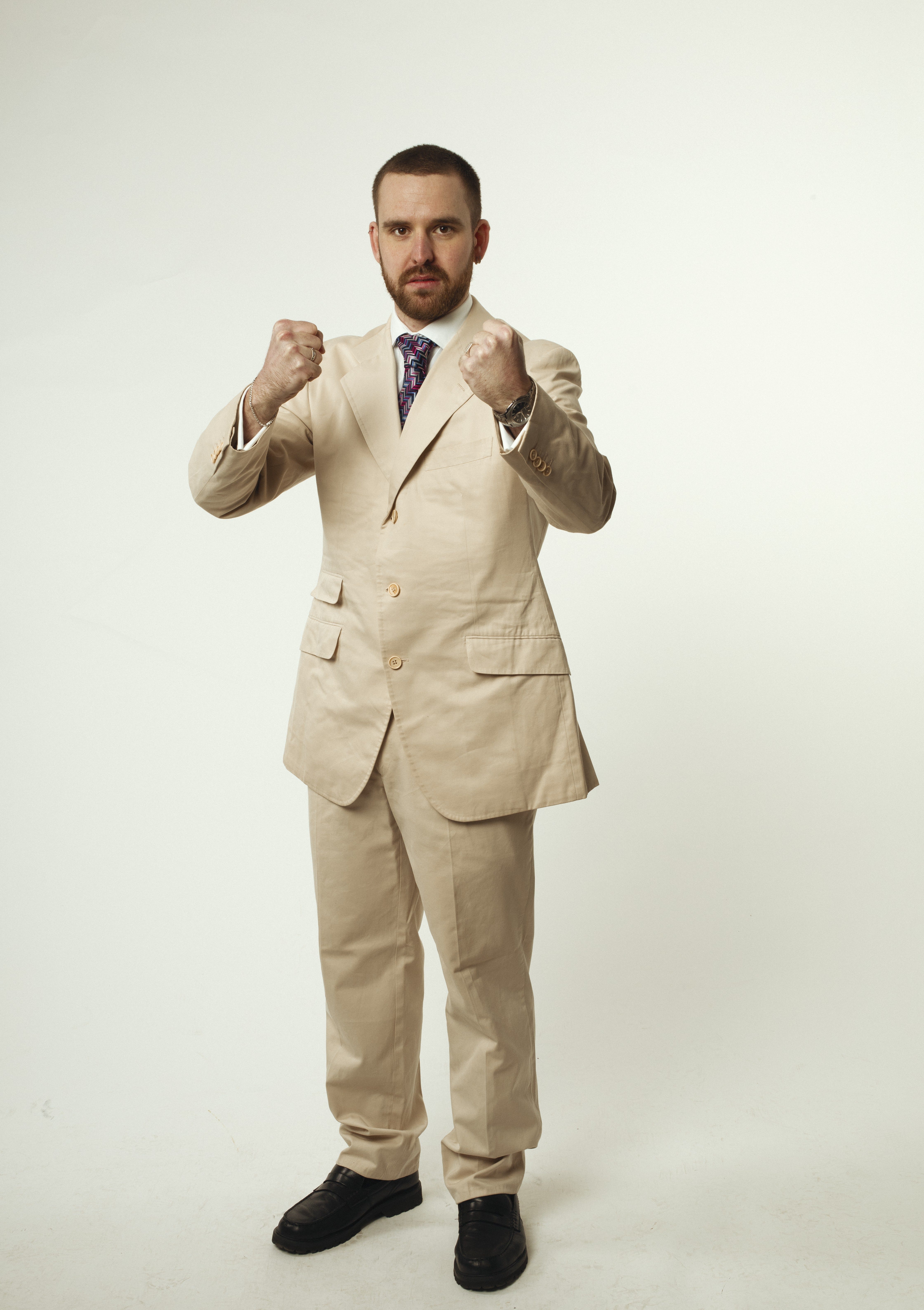
Lil Wenker (her real name, believe it or not) performs a clown show called BOYKING, about a young prince who must at all costs become king, even if it involves killing his family. Rob Preston’s show Amazing Global Solutions presents a set of male caricatures obsessed with returning to the ancient laws of nature, lads holidays to Ibiza or their own brand-new clothing brand.
Alice Fraser and Jake Baker’s stand-up shows riff off the frustration of actually quite liking men despite their faults, and the benefits of a gentler form of masculinity for men (such as a sit-down wee).
It seems callous, almost disrespectful to make a joke out of rising misogyny - but the four comedians I spoke with were all doing far more than making a cheap joke out of shocking content.
Why write a show about something like the manosphere?
These four comedians have a variety of reasons for writing their shows - and all of them emphasise that first and foremost, they want to create something entertaining and make an audience laugh. Many of Preston’s caricatures are based on his observations of the world, often conversations he overhears on the Tube or men he sees on social media. Wenker’s idea spilled out of a random note she found in an old journal that said “BOYKING”.
But for Wenker, the show has also become something of an outlet for her own worries: “It became a really nice vehicle for me to get out my feelings about the world [and] this kind of insatiable power grab that everyone is having and how much it feels like we can’t necessarily trust where the power is actually going,” she says.
Baker has explicitly political motivations for writing his show: “There is a sort of troubling rise of a kind of right-wing politics that is based on a sort of misogyny that feels like backsliding, and [my show is] a reaction to that, and why feminism is good for men,” says Baker. He tells me about his concerns for the world his nephews are growing up in, and his awareness that many men he knows don’t want to engage in feminism because they don’t believe it can benefit them.
Fraser enjoys making shows which are “in between deep philosophy and dick jokes,” and had become interested in conceptions of masculinity after writing a show about romance fiction and thinking about why many men won’t read them because they are “for women.”
On top of these ponderings, a terrifying near miss got Fraser thinking about the impact of opinions about what boys should be like. Fraser was on her way to the beach in Australia with her three-year-old daughter, her teething toddler son and a friend. Despite her friend suggesting the wee boy should learn to toughen up and they should go to the beach despite his yelling, Fraser decided she didn’t need her boy to be tough at the age of one-and-a-half, put her foot down and insisted the group go home. Thanks to that decision, Fraser and her family unwittingly avoided walking into the Bondi Beach massacre.
“My head would spin for months after that… what women are meant to do and what men are meant to do, all of that sort of fed into this kind of swirling world,” says Fraser.
What do comedians want to say about dangerous masculinity ideals?
Political comedy has a lot of power over people’s opinions - just think of the impact of Count Binface or that bacon roll photo on Ed Milliband’s hopes of being Prime Minister. And let’s be honest, men making tutorials about how to sit, dress, stand or even open a water bottle “like an alpha male” are quite easy to mock. But the comedians I spoke with aren’t content to just make fun of the manosphere.
Wenker, who is hesitant to prescribe any particular lessons in her shows, does think her show goes a way to demonstrating the absurdity and childishness of glorifying power, “by laughing and really taking things to the extreme and very absurd, we can… look at our world in a more playful and a little bit clearer way,” she says.
Baker and Preston both include a fair chunk of mockery in their shows, but that’s mixed with some compassion too. “I have at least attempted for the end of the show to have some compassion and try to understand the appeal of the manosphere stuff, in an attempt to sort of be able to coax them out of it and offer a different perspective,” says Baker.
“Everyone has got someone in their family who’s maybe a bit misinformed about things... I think if [the audience] can come away and be like, what they’re looking for is sort of a community, companionship, and they’ve found that in the wrong place, then that’s great,” says Preston.
Fraser goes a step further and wants her audience to leave with a hopeful outlook. “The last thing I want is for my show to be a lecture, or an exercise in hand-wringing or despair. I don’t want to be the show where you’re like pointing at these cartoonish figures of the manosphere… we all agree that they’re dumb,” says Fraser.
“I want men in the audience to go away feeling positive and hopeful about masculinity. I want people of other genders in the audience to go away feeling hopeful and positive about masculinity,” she adds.
“I think there’s a lot of what is being called heteropessimism, this kind of despair about men as sort of being fated to be awful in some way... [classing] the entirety of the group as oppressors or as inherently predatory or dangerous or scary, because the stakes of a bad man are so high. And I think it's blinded us to some degree to how good men are, or as I say in the show, how good men are."
Fraser often asks audience members in her show to describe good men in their lives - and the examples abound of men who consistently do unglamourous, thoughtful, loving things for people in their lives. For Fraser, the beauty of “masculinity” is that it’s not some essential trait - it’s learned. So we get to decide what masculinity is - if we refuse to consider masculinity at all then we don’t provide an alternative to the aggressive, power-hungry and downright dangerous definitions of masculinity promoted by a small few.
This approach echoes that found to be effective by Zero Tolerance during a research project assessing the impact of online misogynist content on young Scottish men and women. “We may feel a desire to directly contradict and criticise this misogynistic content, but the project found this to be ineffective. Instead, the solution lies in creating a non-judgemental environment for young men to discuss and reflect on masculinity, relationships, and sex,” says the report summary.
Can comedy really make a difference?
Here are four comedians who would like for their shows to demonstrate the absurdity of manosphere masculinity, engender some compassion for men who have become manosphere sympathisers, and present a positive alternative vision of masculinity. But can some silliness and jokes really change our societal norms? And aren’t these comedians just preaching to the choir anyway?
In some ways, yes - in fact comedy is often funny because as Fraser puts it, “the comedian says what we’re all thinking”. And these comedians are also aware that their audiences are unlikely to cross over with the audience of manosphere influencers very much, if at all. But they are all pretty sure that their audiences know people who are influenced by the manosphere (let’s not forget, over two thirds of young men are at least interacting with it).
Baker hopes that as a performer he might be able to crystallize what his audience instinctively feels - that the manosphere stuff seems a bit ridiculous and that feminism can be good for men, too - but isn’t quite able to explain in detail. Wenker reckons that although her audience probably shares her general dread at the thought of the rise of online misogyny and toxic masculinity, comedy is a more accessible way of thinking about the problem than news reports or serious debate which over time we may tend to avoid.
For Fraser, comedy might not be at the forefront of shaping our understanding of the world, but it has a very interesting role in policing how we are in the world: “this is one of the ways that masculinity gets policed is men making fun of each other… it’s very funny, and that’s why it’s powerful. So comedy is a very good way to show you where the lines are and and either push at those lines slightly, question them slightly, undermine them slightly, expand them slightly, or just patrol the borders,” she says.
None of these four performers are pretending to be the solution to the effects of the manosphere. That can be found in the great work of organisations like Zero Tolerance Scotland and the Movember Foundation. But perhaps jokes, which open up difficult conversations more easily, and which help form our sub-conscious understanding of what’s socially acceptable and what’s not, will play a part in creating a society where we all think of the manosphere’s definition of manhood as not only deplorable, but just silly.