


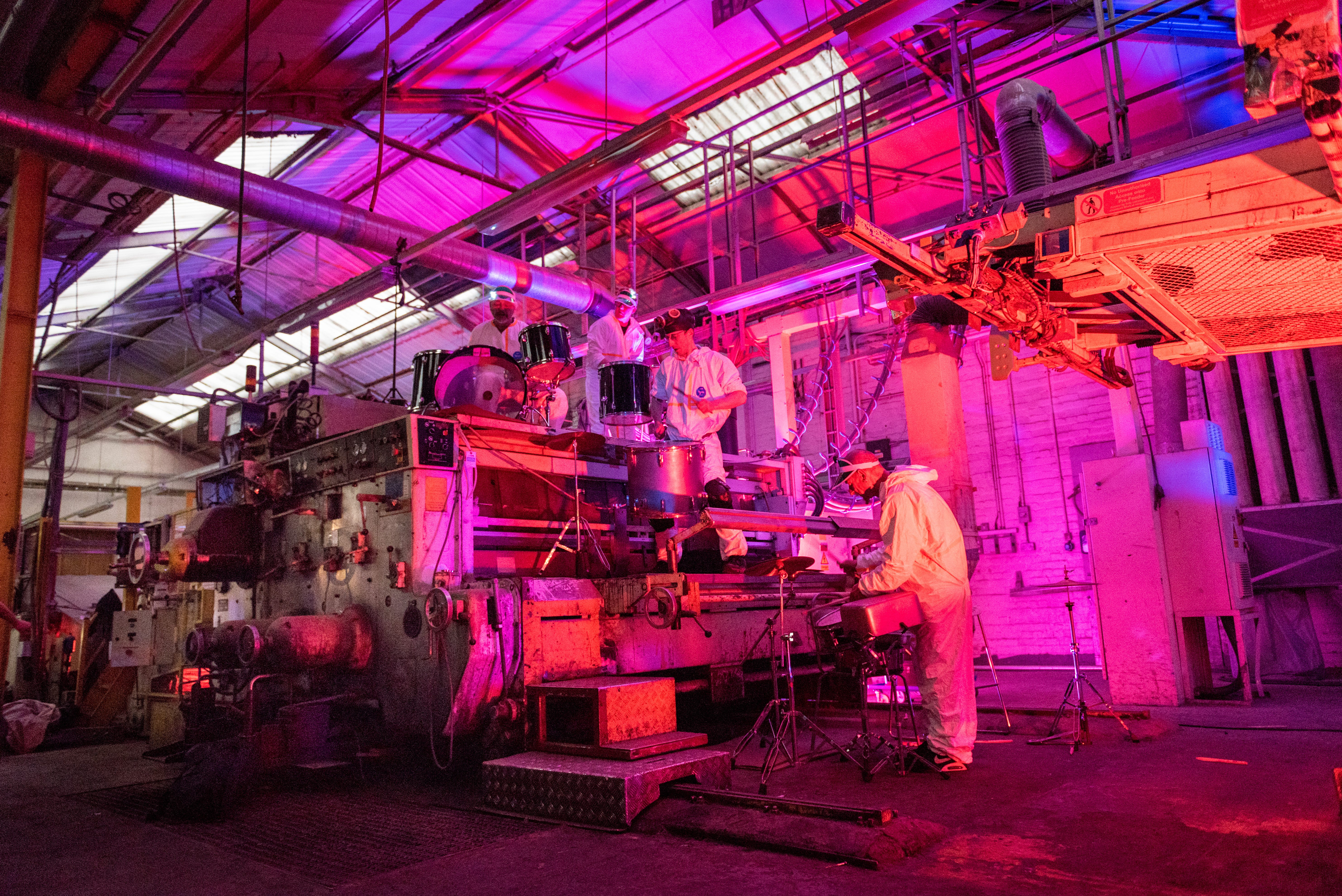
The Hidden Door Festival operates on borrowed time; it’s the nature of this particular creative beast. The independent arts charity secures abandoned urban infrastructure, wires up a bar, curates five days of intense programming, and leaves.
It started in 2014, clearing out the damp arches of the Market Street vaults to make a point about Edinburgh’s unused spaces. Successive iterations saw the festival squat in a King’s Stables Road street lighting depot, clear the dust from Leith Theatre, occupy the Old Royal High School on Calton Hill, and take over the Scottish Widows complex on Dalkeith Road. It acts as a fleeting tenant within Edinburgh’s perpetual redevelopment cycle.
Every year, an army of volunteers donates countless hours to bringing the festival to life - bringing a festival of this scale to life, even with an in-built lack of polish, cannot be anything but exhausting and expensive.
The result, however, is large-scale, site-specific, expansive programming rarely attempted elsewhere in the United Kingdom.
This year, the festival has set aside its nomad tendences. From 3 to 7 June, Hidden Door returns for a second and final run at The Paper Factory. This 15.5-acre site in the Maybury Quarter formerly housed a Saica cardboard manufacturing plant. It is a vast, echoing complex of warehouses, sorting rooms, and administrative offices situated near the Gateway tram station. Developers will soon move in to flatten the lot. Hidden Door gets the final word.
“Returning to The Paper Factory for a final year allows us to go deeper into the history and texture of the site,” says Hazel Johnson, Hidden Door director. “We aren’t just putting on a show; we’re building a myth.”
The Last Shift
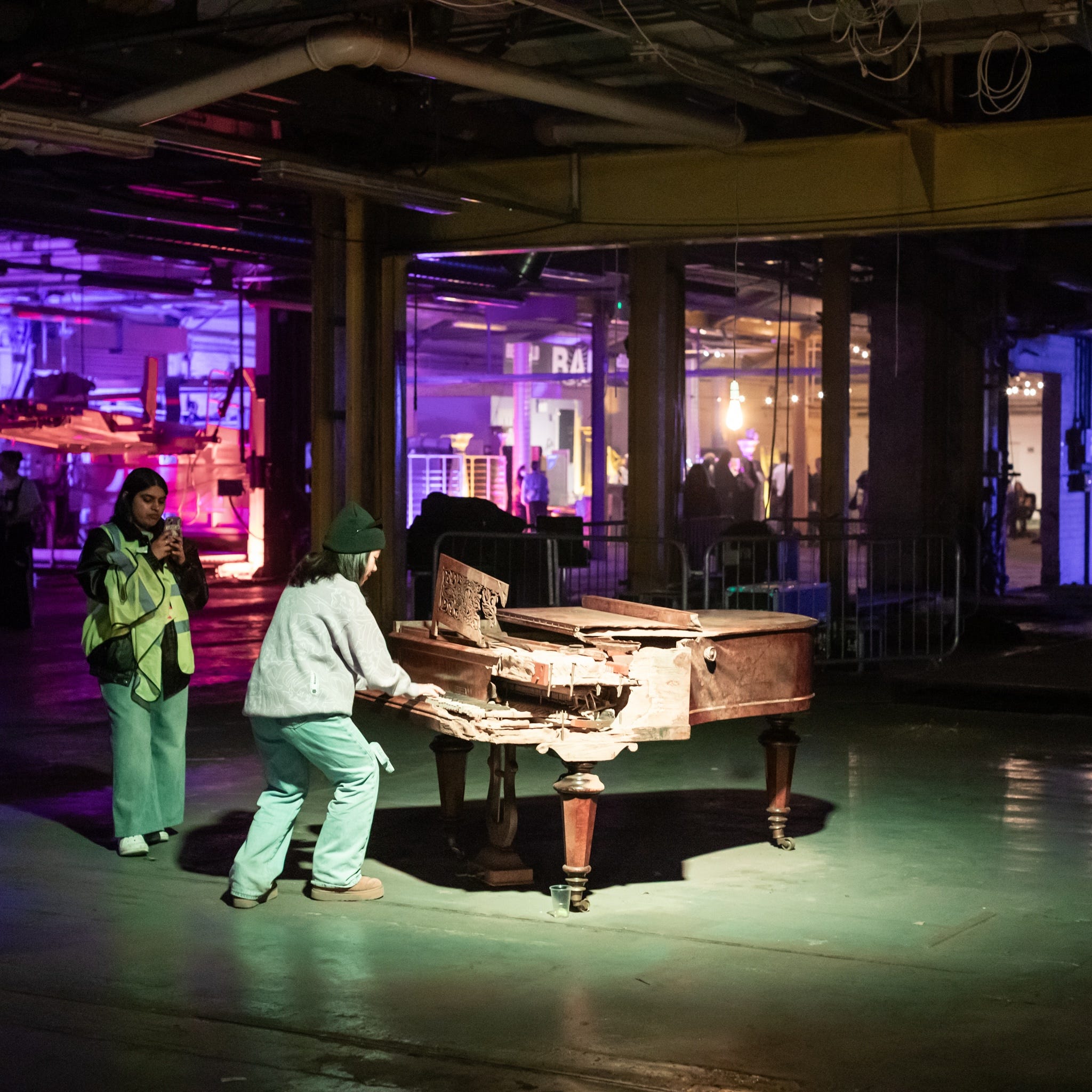
The 2026 programme has been wrapped around the conceptual framing of ‘The Last Shift’. Rather than imposing an external narrative on the venue, the organisers treat the factory walls as recording devices for past emotion. Interdisciplinary collaborations thread throughout the 15-acre footprint.
One such commission, The Machine Stops, features audio recordings of former factory workers discussing life on the shop floor. Arts writer Neil Cooper teamed up with Luke Bell, Jill Boualaxai Martin, Andrew Dawson, Tom Flint, and Paul McCluskey to build the piece, which tracks the escalating industrial rhythms of the factory until shutdown. Cooper proposed creating a large-scale clash of material, combining interviews with former workers Jim Scott and Marlyn Price, archival phone footage, and live percussion from the Sativa Drummers.
Other commissions deploy roaming physical theatre. Ghosts in the Machines sends performers wandering through the site, engaging in strange forms of nightly labour as they examine the traces of a world they no longer understand. Process Line follows a worker performing mundane factory routines via spoken word.
Music and open call selection
It falls to music, however, to form the spine of the five-day run. Johnson and her team secured Norwegian singer-songwriter Jenny Hval (pictured below) to headline, on Friday, 5 June.
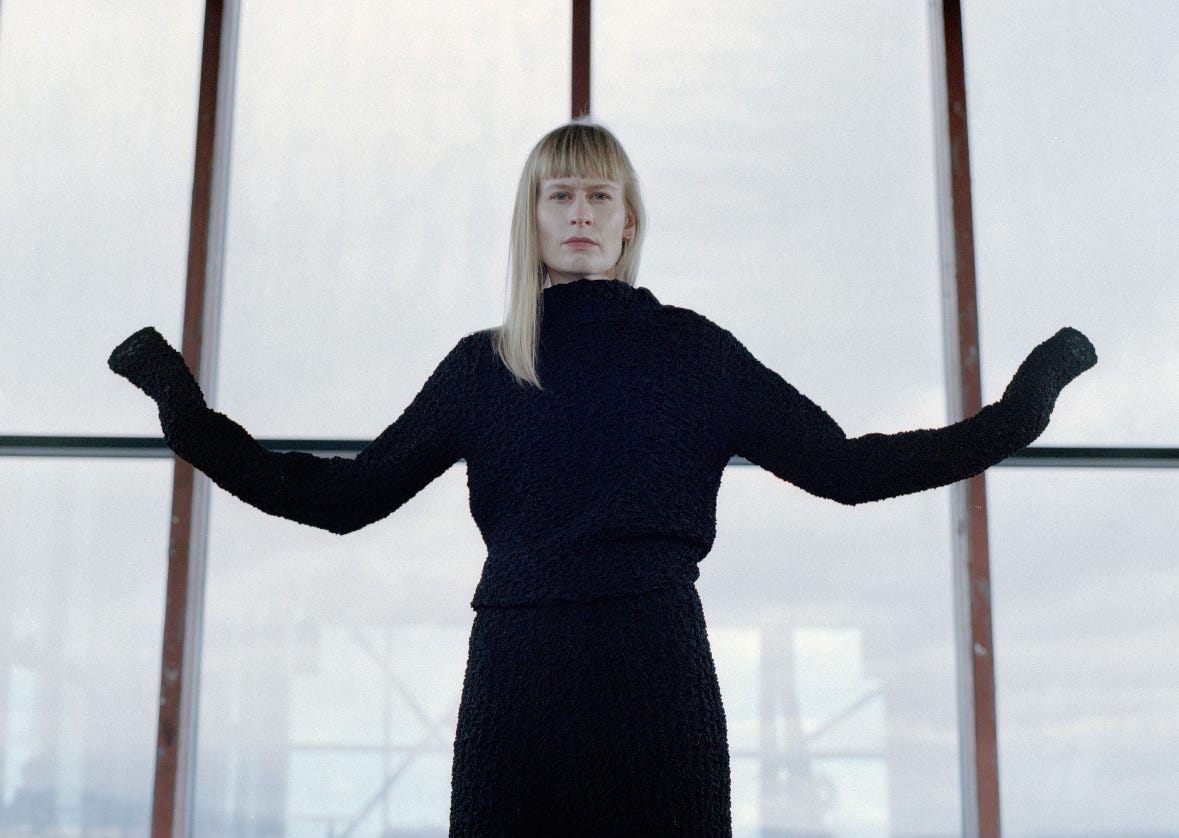
Hval brings her experimental live performance to the industrial floor, placing her avant-garde output inside a defunct Scottish cardboard factory for a striking juxtaposition. Skye-based electronic-trad fusion act Valtos take the Saturday headline slot. They will mount their DJ and live hybrid project, High Water Mark, bringing a set of dancefloor-oriented folk to the weekend.
The wider bill pulls in international acts and local stalwarts. American pop performer Caroline Kingsbury and punk duo Cowboy Hunters feature on Thursday. Australian electro-pop act BIG WETT opens the festival on Wednesday, alongside experimental one-man-band performer ICHI. In the club space, Fred Deakin of Lemon Jelly will play sets drawing from decades of his Scottish club nights. Feminist DJ collective EPiKA takes over the late-night decks on Friday.
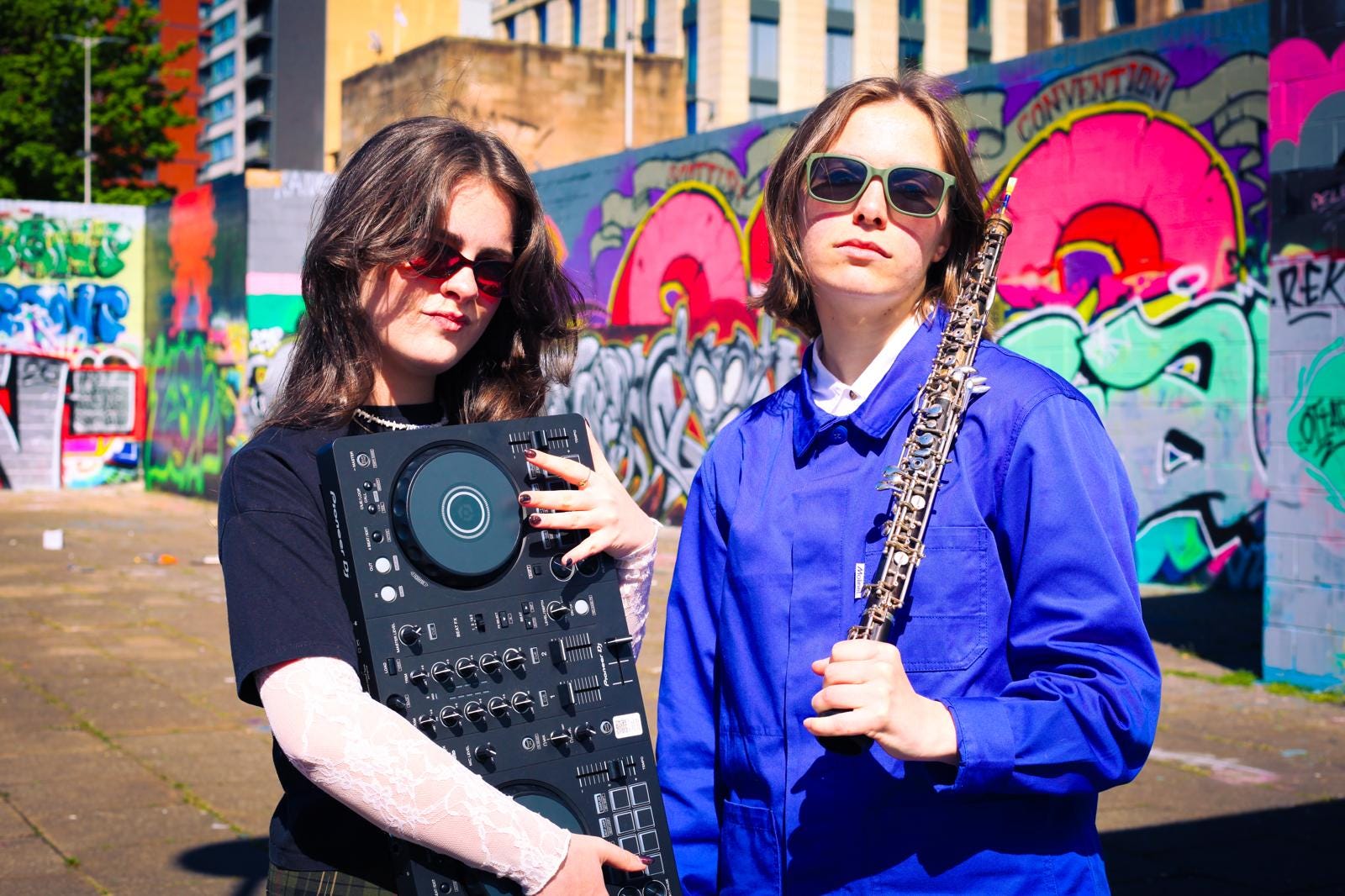
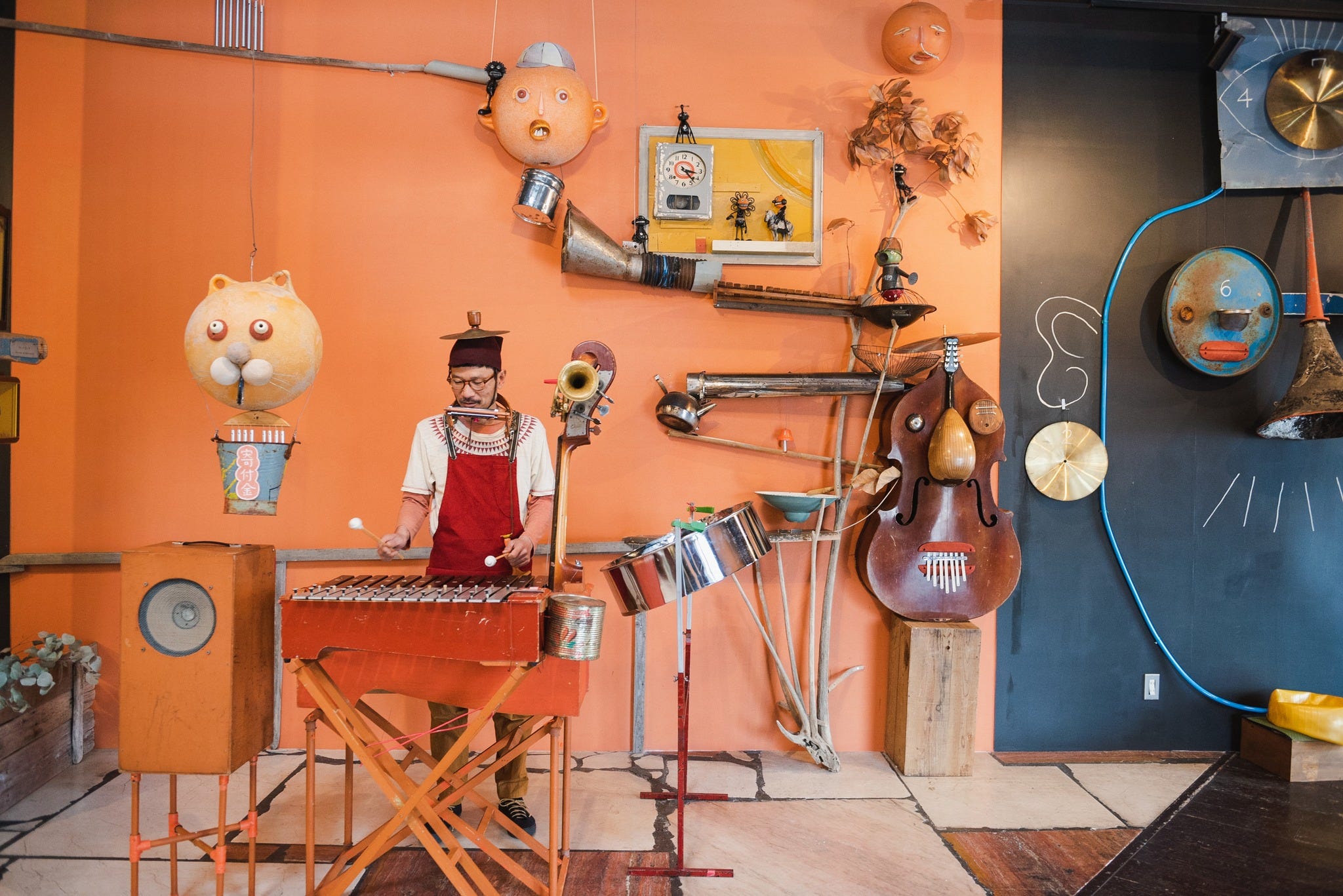
Hidden Door also retains its focus on grassroots programming. The festival sifted 300 applications to select 12 open-call acts, co-curated with Creative Edinburgh and the National Centre for Music. This intake leans heavily into the eclectic. Wednesday features Post Coal Prom Queen, who build sets around mechanical beats and retrofuturistic synths. They share the opening night with the theatrical outfit Doom Scroller and an electronic act composed of Molly Sellors and Charlotte Devlin (pictured below), who construct rave beats using oboe samples.
Thursday shifts to off-kilter pop from Buffet Lunch, synth anthems from Thundermoon, and guitar-driven punk from Dinosaur 94. Friday brings Glasgow nu-jazz via Azamiah and 80s-influenced contemporary tracks from Emma Dunlop. Saturday moves to harsher sonics with psych-rock group HANSKLAMMER and industrial dance act maniatrix. Glasgow trio Taupe fuse sludgy doom riffs with improvisation on Sunday. Gaelic and Scots singer Evie Waddell closes out the open-call slate, drawing inspiration from Martyn Bennet and Ivor Cutler.
Visual art and corporate surveillance
Visual art occupies the defunct machinery and empty corridors. Hidden Door commissioned large sculptural installations, wall-based work, and textiles to sit directly against the peeling paint. Artists, including Chema Rodriguez Alcantara, Ellie Harrison, Lilian Ptacek and Emma Macleod, integrate their output directly into the derelict architecture. The spoken word programme returns the human voice to the silent factory. Sets from Iona Lee, Josh Cake, Emily Grace Briggs, RJ Hunter, and Sean Wai Keung will echo through the atmospheric chambers over the five nights.
The ever-splendid Tinderbox Collective will command a physical presence again, though integrated into the wider site rather than dominating the schedule. They return with Room to Play, a satirical installation co-directed by immersive design studio Ray Interactive. Seven multi-disciplinary artists built the space to resemble a retro-futuristic tech conglomerate holding a corporate recruitment drive. Visitors walk through the exhibition during the day, interacting with hidden cameras and digital surveillance features.
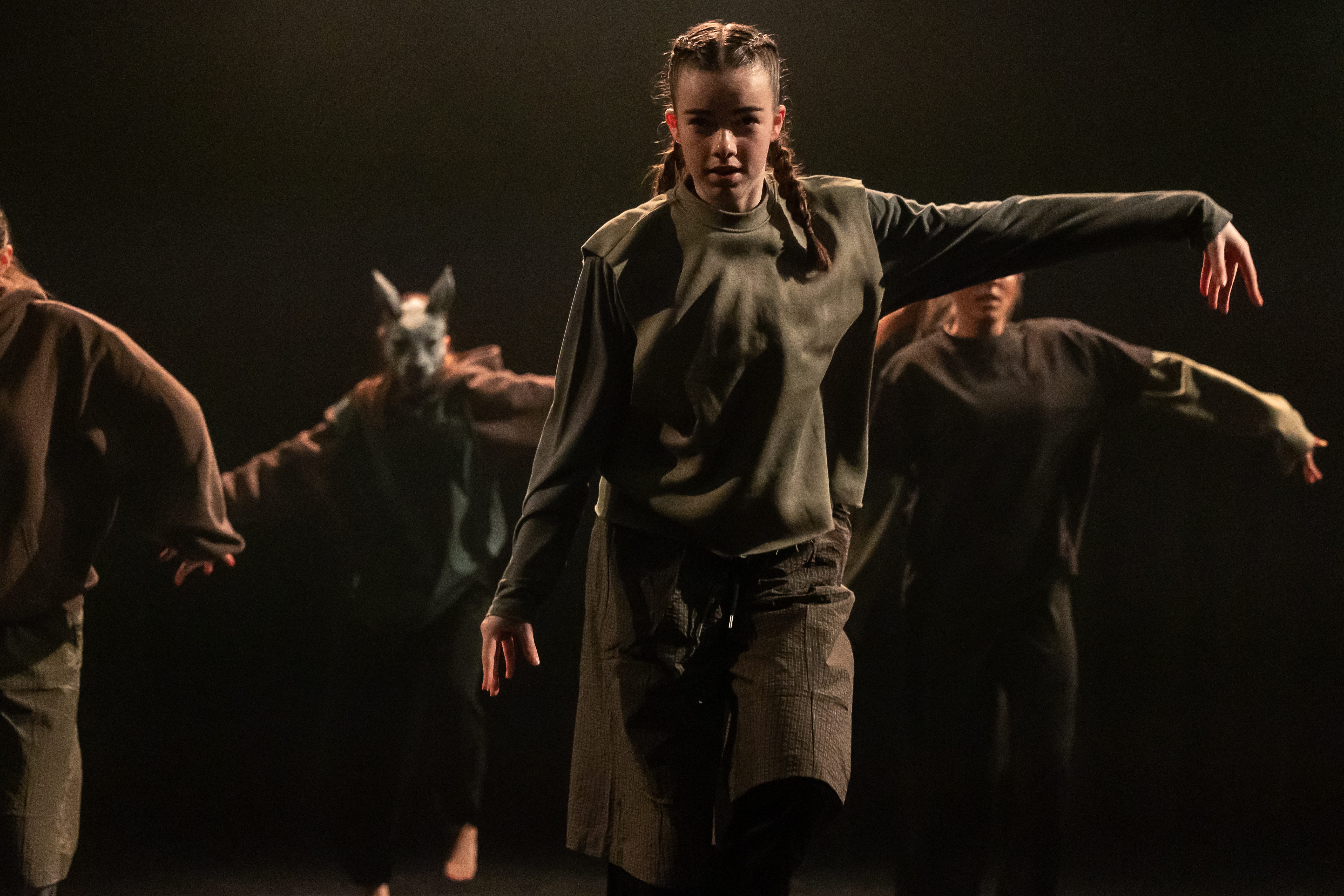
At night, it converts into a live venue. The space will host contemporary dancers from Curious Seed’s MAINTAIN project, music improvisers Dead Fly, and collaborative work from the international Samata Collective. Tinderbox Orchestra will then play the Main Stage near the end of the festival, bringing a high-energy orchestral set featuring composer Kate Young.
Hidden Door
Edinburgh does not lack festivals. Yet most arrive fully formed, dropping into purpose-built theatres or manicured central lawns. Hidden Door offers a purposefully cruder, more volatile alternative. By anchoring its operations to architectural decay, it constructs a temporary hub for art that sits outside the commercial mainstream - or at least attempts to.
The profile of the event has grown, along with its booking power, but its core value remains rooted in this friction. It offers emerging Scottish musicians and visual artists a massive physical platform without the prohibitive registration fees or financial barriers imposed by major fringe venues. It functions as a heavy-duty incubator. Audiences do not visit to sit in plush stalls; they go to explore, stumbling across spoken word acts in former sorting rooms or industrial synth bands in loading bays. Critics might say it’s somewhat contrived, but all successful indie endeavours are doomed to become pastiches of their early days.
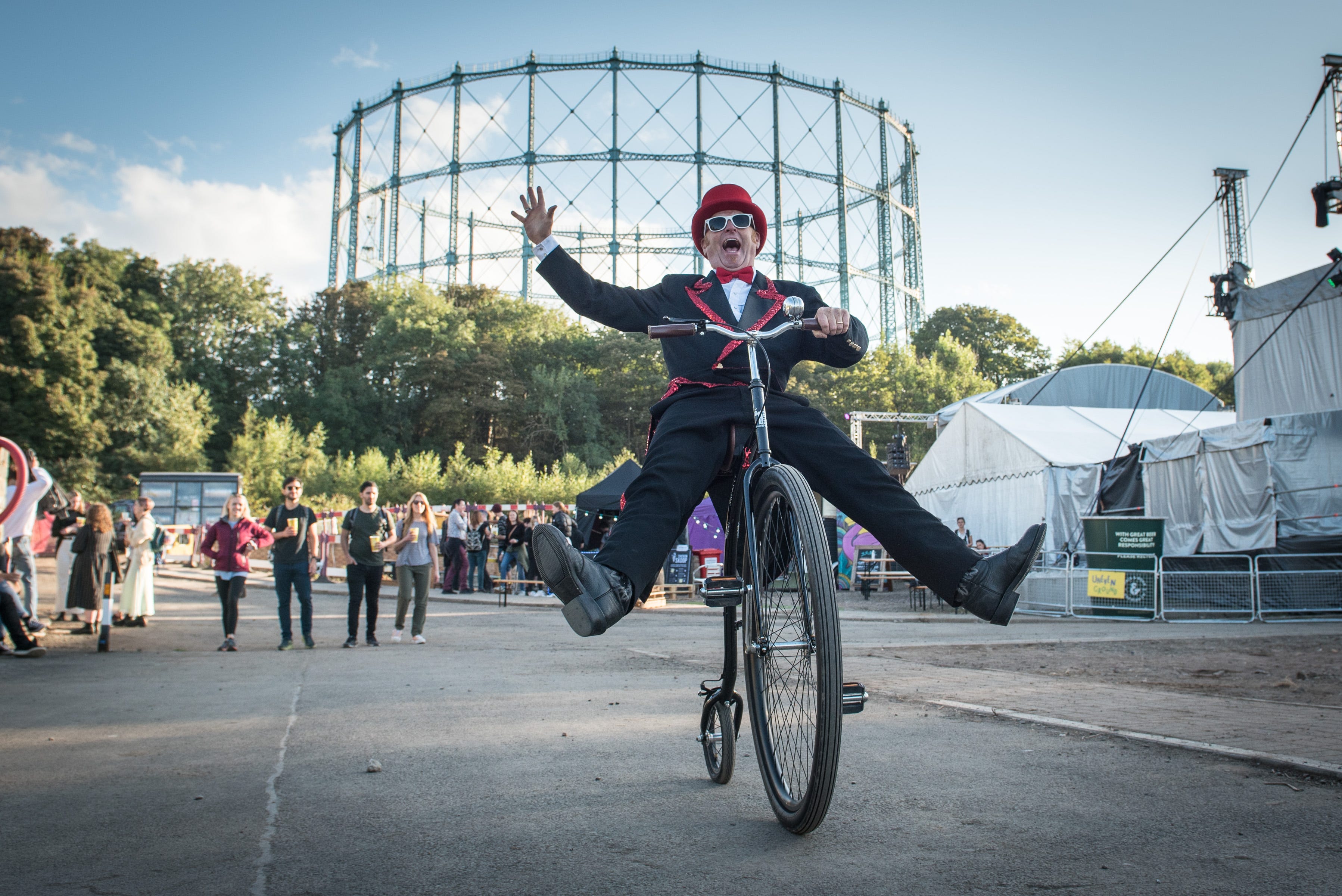
Yet, as grassroots venues across the central belt face unprecedented financial challenges, the festival’s contribution to the local creative economy remains significant. It proves that Edinburgh’s industrial margins can hold artistic weight - the council’s embrace of the iconic Granton Gas Holder at the heart of a new public park certainly follows in Hidden Door’s footsteps philosophically speaking.
Hidden Door 2026 intends to extract maximum utility from The Paper Factory before the bulldozers arrive. The site remains free to enter during the day until 6pm. This is an intentional move to ensure the art remains accessible to the immediate community - particularly those who mightn’t feel at home in the grungier, more intense moments dominating the evening.
Ticketed access applies to the evening shows, with 30% discounts applied for unemployed, D/deaf, disabled, and neurodivergent attendees. Hidden Door cannot be accused of not putting their limited money where their mouth is.
When the last visitor waves goodbye, and the art evacuates in search of an afterlife, the Paper Factory will - eventually - become housing or commercial space, and Hidden Door will set their sights on the next unlikely, forsaken venue to call their home in 2027. Before that, this incarnation of the festival will burn brightly for five days, and leave everyone who crosses the Paper Factory threshold with memories to last a lifetime.
Hidden Door Festival runs from 3–7 June 2026 at The Paper Factory, 1 Turnhouse Road, Edinburgh EH12 8NP. Daytime entry is free until 6:00 PM; tickets are required for the evening programme.