


Andy Buchan is one of only three full time gamekeepers in the Pentlands. Throughout the seasons his work is hugely varied, but centres around habitat management to protect a population of grouse, wild partridges and pheasants. This can involve grazing management, disease control, trapping predators and muirburn - the controlled burning of mature heather shrubs to promote growth of young heather.
May is a very busy time for gamekeepers in the Pentlands - but long days out on the land are rewarded by seeing grouse chicks beginning to hatch. At the same time the other birds who thrive on the grouse moorland; including lapwings, curlews and oyster catchers; are hatching too.
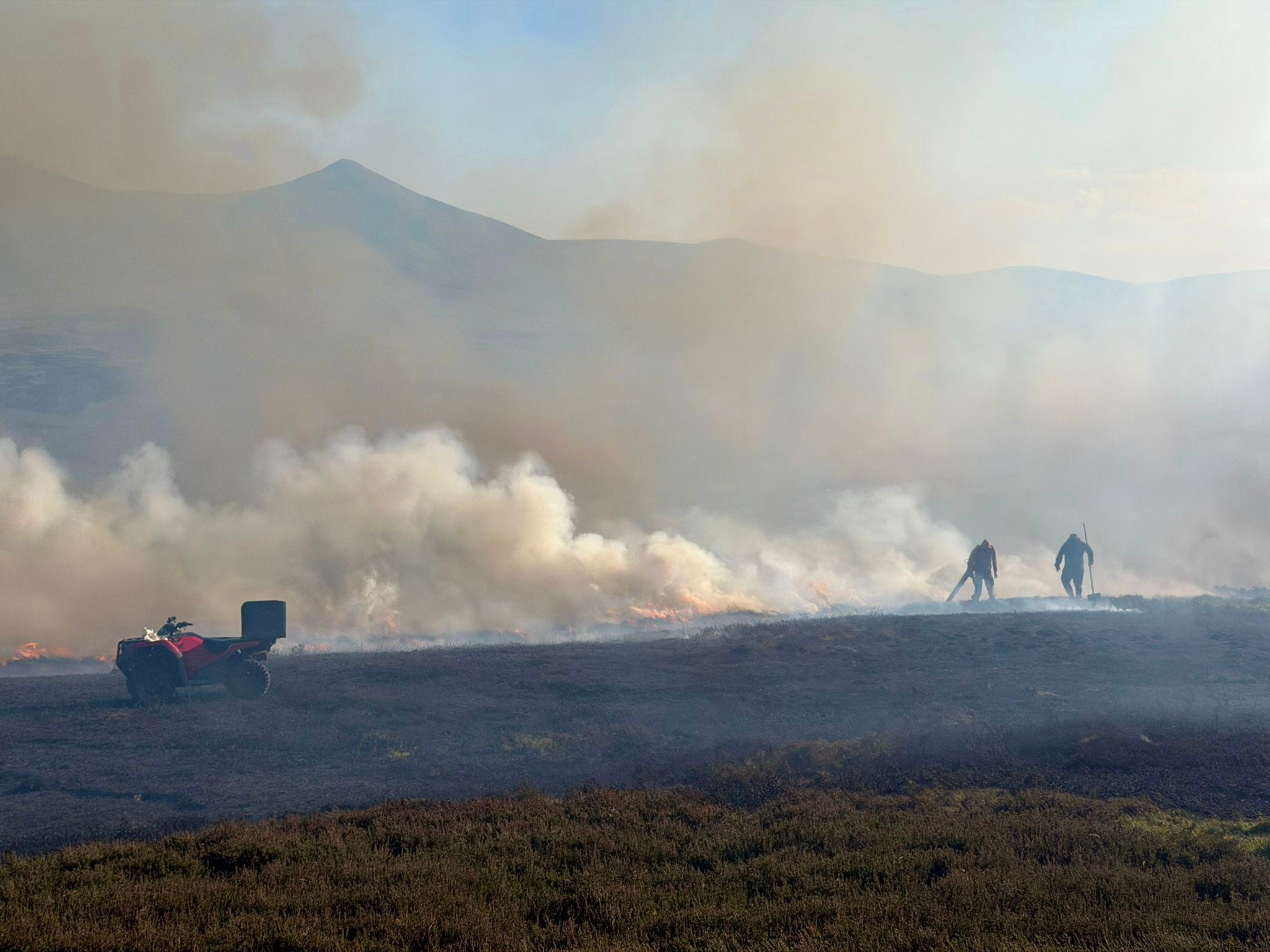
This made it all the more heart-breaking for Buchan to see 17 acres of hillside go up in flames. It may feel like a damp summer so far, but the dry spell over the May bank holiday showed all the ugliness that dry weather can. Not only did Arthur’s Seat go up in flames again, but on 25 May an aggressive fire was spotted on the hillside by the Green Cleugh, a popular walking path from Threipmuir to Loganlea reservoir. Buchan, who manages land on the other side of the Pentlands, received a call at 16:30 and immediately dropped everything, packed his fire management tools and set off to help his fellow gamekeeper.
Damage on a new scale for the Pentlands
There have been small fires around Torduff reservoir and other parts of the Pentlands in recent years, but this fire was on a different scale. The blaze consumed around 17 acres in the end - the equivalent of more than ten football pitches. It took the six fire engines with crew, and dozens of gamekeepers, farmers and landowners until 11pm to put out the fire. Buchan says the damage would have been far greater if the wind hadn’t been coming from an unusual northerly direction - the prevailing westerly wind would have swept the fire quickly across the entire hillside.
Despite this enormous team spending hours digging over and soaking the smouldering peaty soil to prevent it relighting, the hot peat relit itself on Thursday night at 10pm, calling Buchan and others back to the site again. This time he didn’t leave until dawn. For the following days there was someone constantly watching the fire until the next big rain on Saturday night.
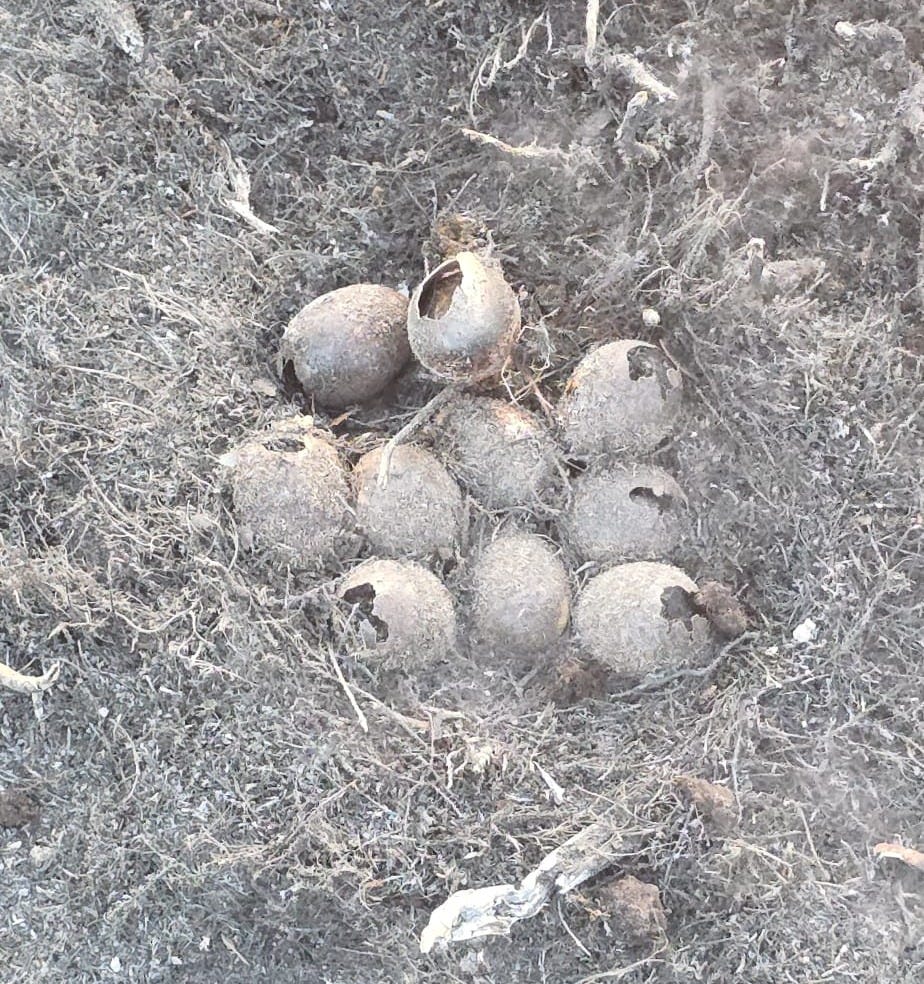
Moving through the burnt-out grouse moor Buchan saw first-hand the devastating impact of this fire on the local wildlife. “Hen grouse had still been on their nests, they’d sat it out because hen grouse are amazing mothers, and they got absolutely cremated… the three nests we found had ten eggs and the hens were cremated. They just sat there, they just sat it out,” he says.
The financial impact of the fire is also significant- not only for landowners at Eastside Farm, but also for the 6 or 7 farms and estates who sent out multiple staff, tools and machinery over several days to tackle the blaze.
If you are enjoying this, you might also like some of our previous reporting on the Pentlands, including Jonny Muir’s The night runners of the Pentlands and Joe Coroneo-Seaman’s A quiet revolution in the Pentlands.
The unique expertise of land managers
Buchan is no stranger to hill fires. Firstly, controlled muirburn is part of his job - over autumn and winter every year Buchan burns patches of mature heather moorland without letting flames get out of control.
