


Last tracks for the Vinyl King of Leith Walk
‘It’ll probably just be another bloody cafe’
by Nico Ulz
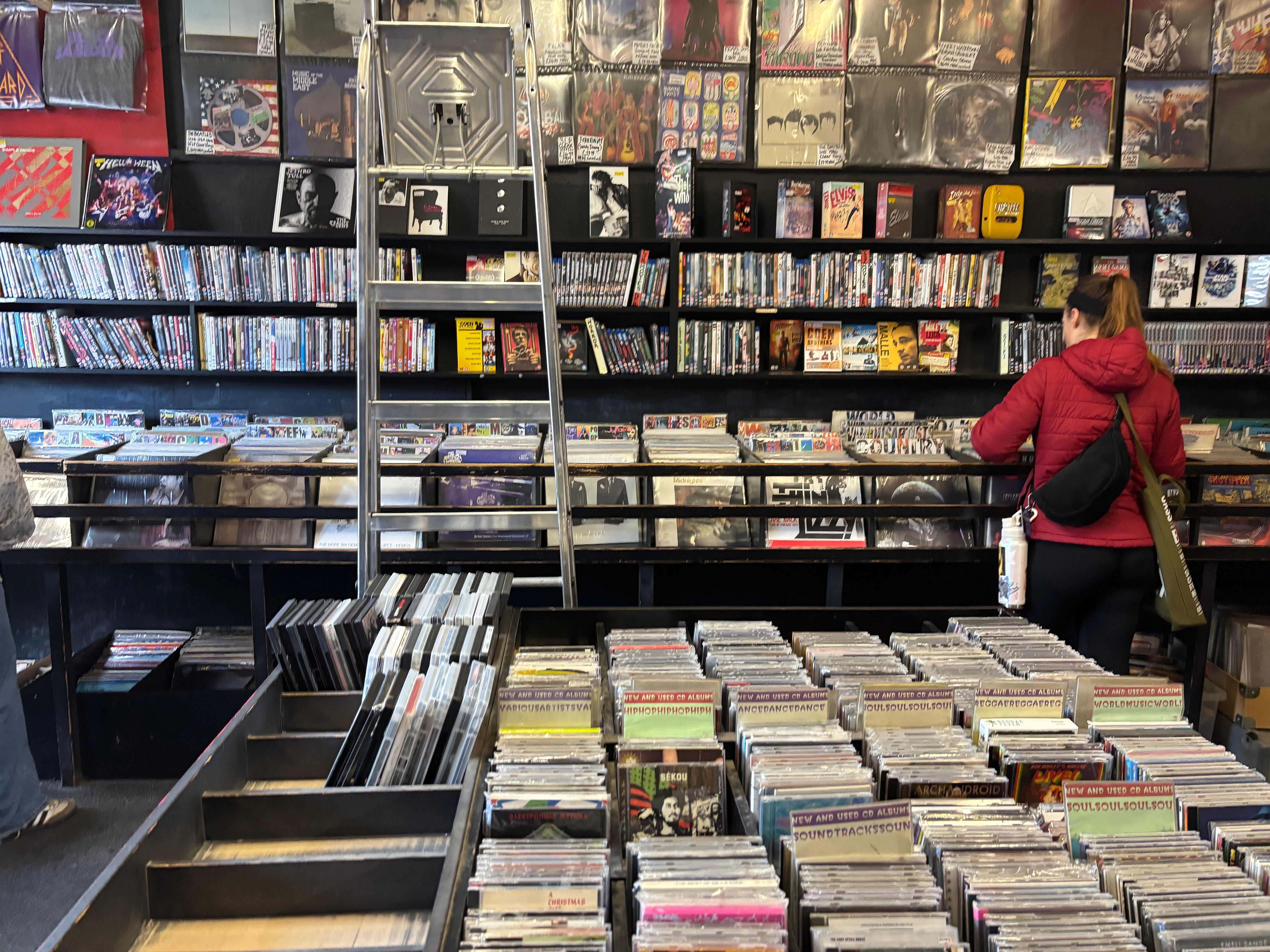
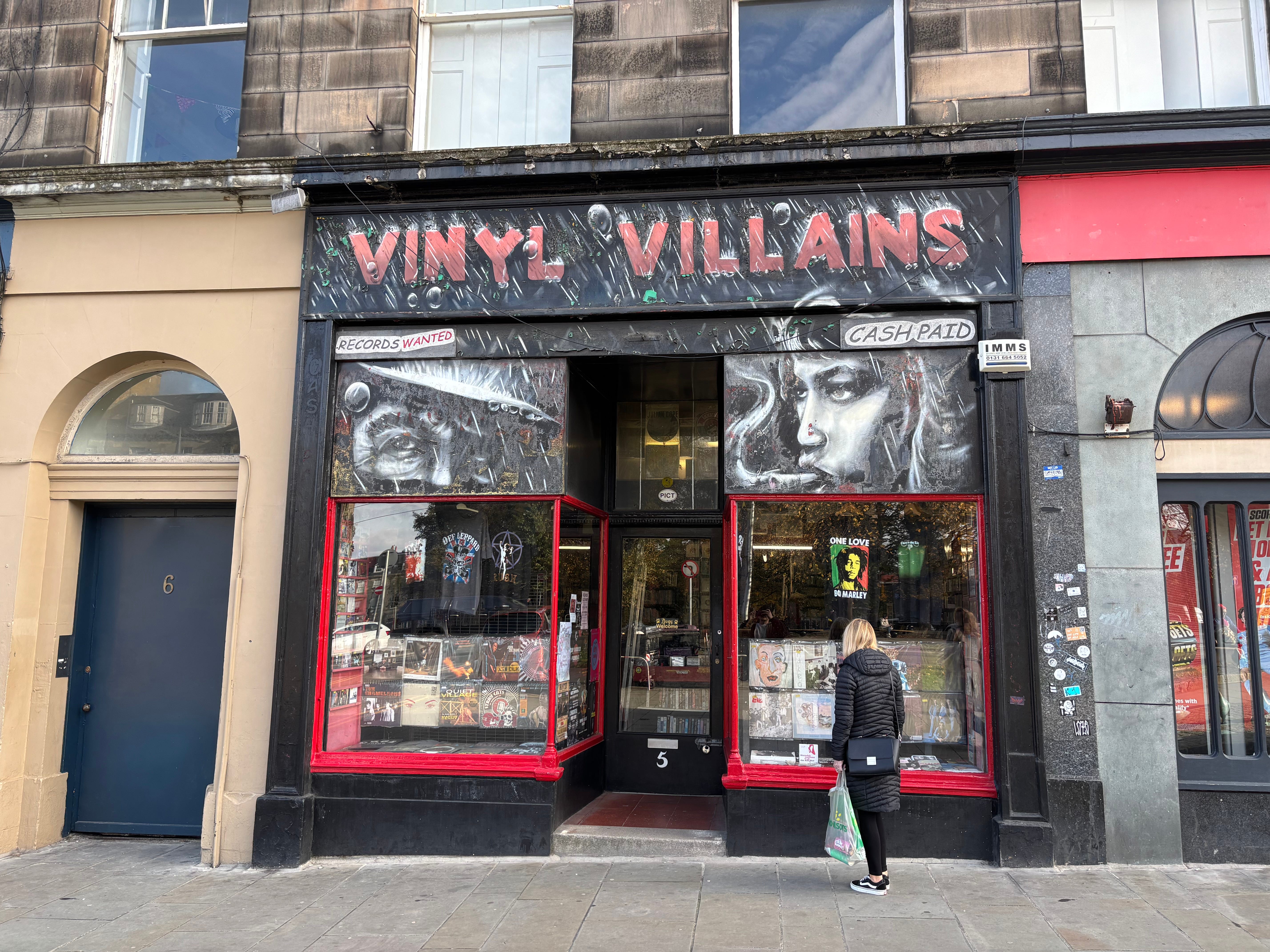
For more than forty years, Vinyl Villains has served as a landmark on an ever-shifting street. When Andy Watters first opened in the 1980s, the surrounding was very different.
“Leith Walk was more working class in those days,” he reflects, looking back across a working lifetime of urban evolution and gentrification. “There was no such thing as mobile phones. There was no internet. Everything’s completely different really.”
The decision to open the store on Elm Row came down to something very simple: the unit became available on a bustling street close to Edinburgh city centre.
Ever since, Vinyl Villains has served as a sanctuary of records and CDs for successive generations of Edinburgh music fans. Until now. That all finishes at the end of the year when the shop will close its shutters for the final time.
Surviving the 2000s
Business fell sharply around the turn of the millennium. As digital formats took hold and the industry prematurely declared vinyl obsolete, footfall to physical music retailers fell across the country. Roughly two-thirds of UK independent record shops closed. Yet, while hundreds of competitors folded, Vinyl Villains survived on sheer grit and a steady core of regulars.
Reflecting on how independent traders can stay afloat on Leith Walk today, Watters cautions against the heavy financial traps of dealing in brand-new releases. Wholesale margins are tight and unsold stock quickly turns into dead weight. “If you don’t sell your records, you’re stuck with something that cost you maybe £20,” he points out. His advice for independent operators looking to survive modern retail is pragmatic - shift away from high-priced new pressings and pursue second-hand stock.
Vinyl’s revival
Watters’ endurance ultimately positioned the store to take advantage of the vinyl resurgence over the past decade. More recently, that revival has expanded even further, in form of a renewed interest in CDs. CD sales, which had slumped significantly when vinyl first staged its comeback, are picking up again.
Through tens of thousands of sales, certain milestones remain pinned in the record store owner’s memory. The very first record sold over the counter was a seven-inch single: Mike Oldfield’s “Moonlight Shadow”.
As for his own broad tastes, Watters’ interests span every corner of the store, from Led Zeppelin III and Tom Waits’ Blue Valentine to reggae, soul, heavy rock, and punk. “I don’t think you could do this unless you really like a lot of genres of music,” he says.
‘It will probably just be another bloody cafe’
“I would like to just transfer it to someone if I could,” Watters says after being asked about the store’s future. “But my lease is up, so I don’t have a say in it. It’ll probably just be another bloody cafe.” The closing announcement has sparked empathy from the local community. “Every second customer comes in and varies from quite sad to absolutely devastated,” he says. The news has also triggered an ironic spike in daily business. Footfall has climbed noticeably in recent weeks as people hurry to pay their respects and browse the racks one last time. “I don’t know why saying no and closing would make it busier, but it seems to have,” Watters chuckles.
Retirement plans
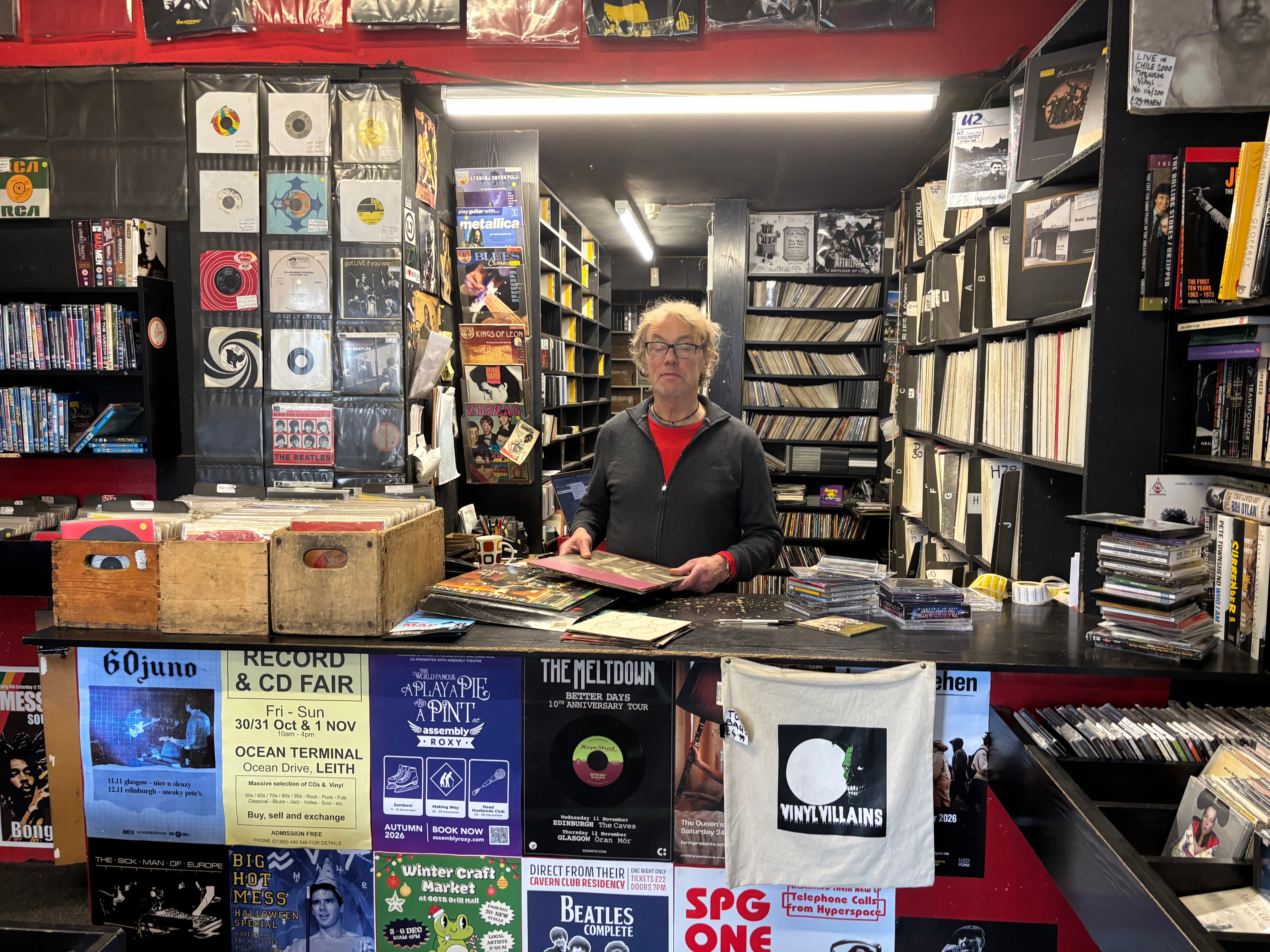
When the shop closes for the last time, the owner knows what he will miss most, the thrill of the day to day rituals of the trade. Specifically, flipping through rare, well-kept collections brought in by local sellers, particularly scarce 1960s and 1970s progressive rock albums that are nearly impossible to find on today’s high street.
Watters spent forty years listening to music all day at work, yet never played records at home. That’s a habit he plans to change: “I’ll have to get myself a collection of records and CDs to play when I retire.” As for what comes next after four decades on Elm Row, he is not so sure. “I don’t know what I’m going to do with myself, so I’ll just take it easy and see what happens.”
Are you enjoying our high-quality local journalism? Would you like two exclusive members editions a week and the satisfaction of knowing you are making everything we do possible. Become an Inquirer member from as little as £1.54 a week and help us to keep telling Edinburgh’s stories. Thanks.
Seafront tower and railway station in masterplan for Seafield development
by Euan McGrory
Think about Seafield and you probably associate it with one of a handful of things.
There are all those car showrooms which hug the coast, cutting off the seafront from much of the main road. There’s the big Lothian Buses depot, the Edinburgh Dog and Cat Home and the infamous “Seafield stench” that hangs over the area around the neighbouring sewage works during spells of warm weather.
