


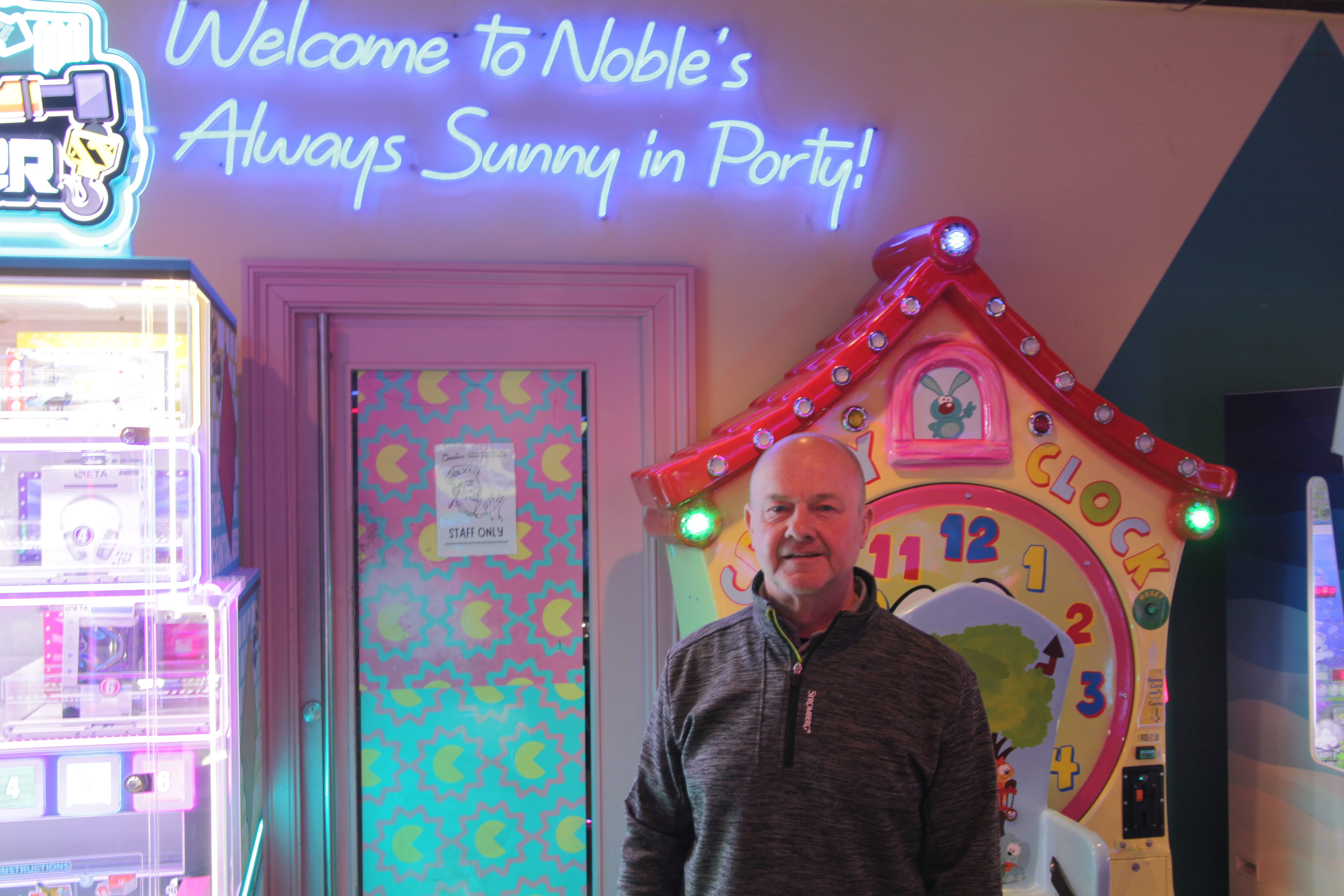
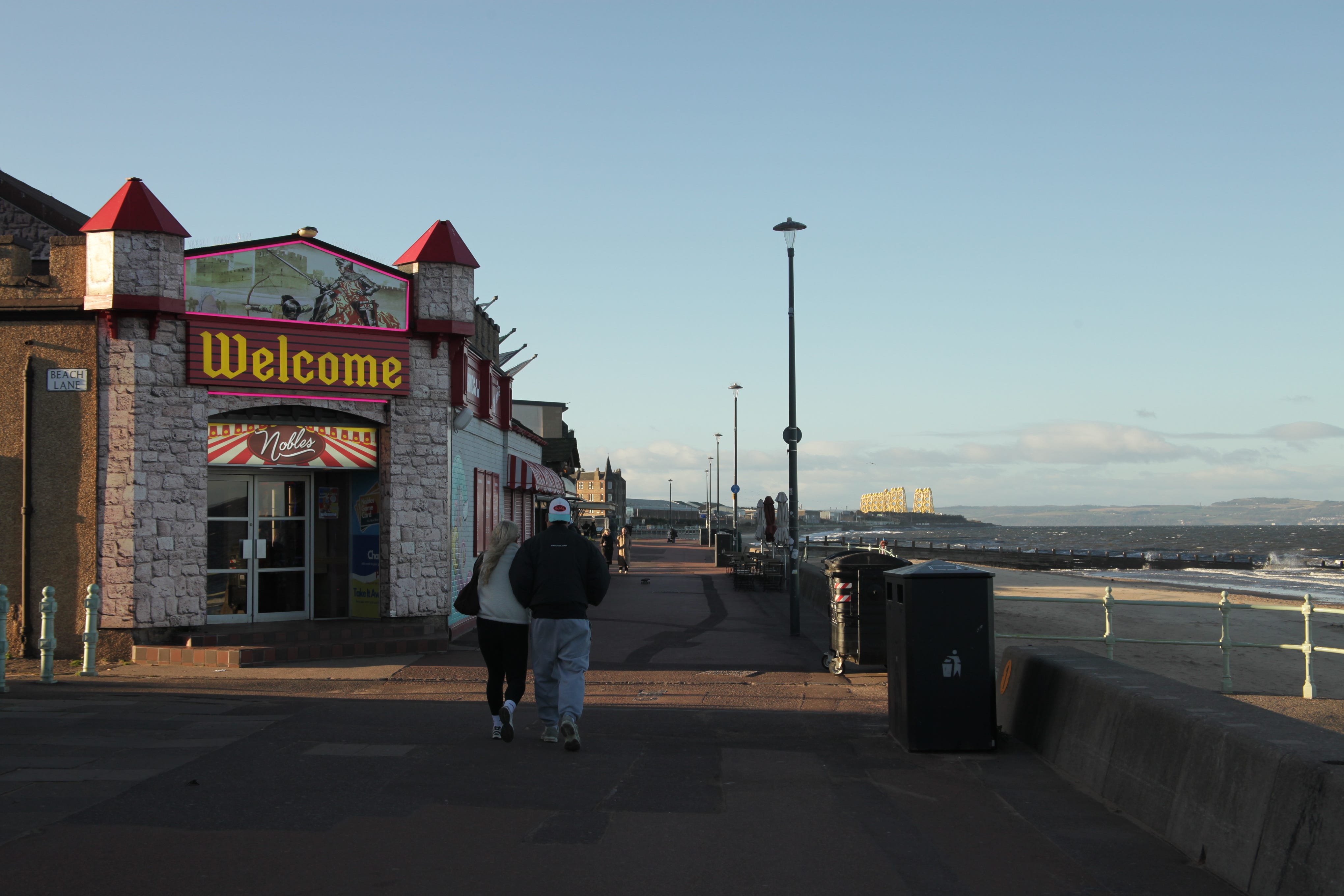
Against the grey backdrop of November, the neon lights above Nobles Amusements shine a great welcome sign for visitors on Portobello’s Promenade.
Inside, long-time resident and business owner Warren Noble is reflecting on just how much the Prom has changed in his time running the colourful venue.
It’s quite the turnaround act.
Twenty something years ago, when STV were shooting an early TV adaptation of Ian Rankin’s Inspector Rebus novels, they needed John Hannah to rumble around in a rundown and dangerous neighbourhood.
Incredible as it seems today, they chose a central stretch of the Prom in Portobello.
If you watch carefully in one episode, you can see Hannah walk past a boarded up pub.
What looks like an abandoned and unloved street is actually the corner where Bath Street meets the Prom, now flanked by the Beachhouse café and the Espy beachfront bar, one of the busiest and buzziest part of the neighbourhood.
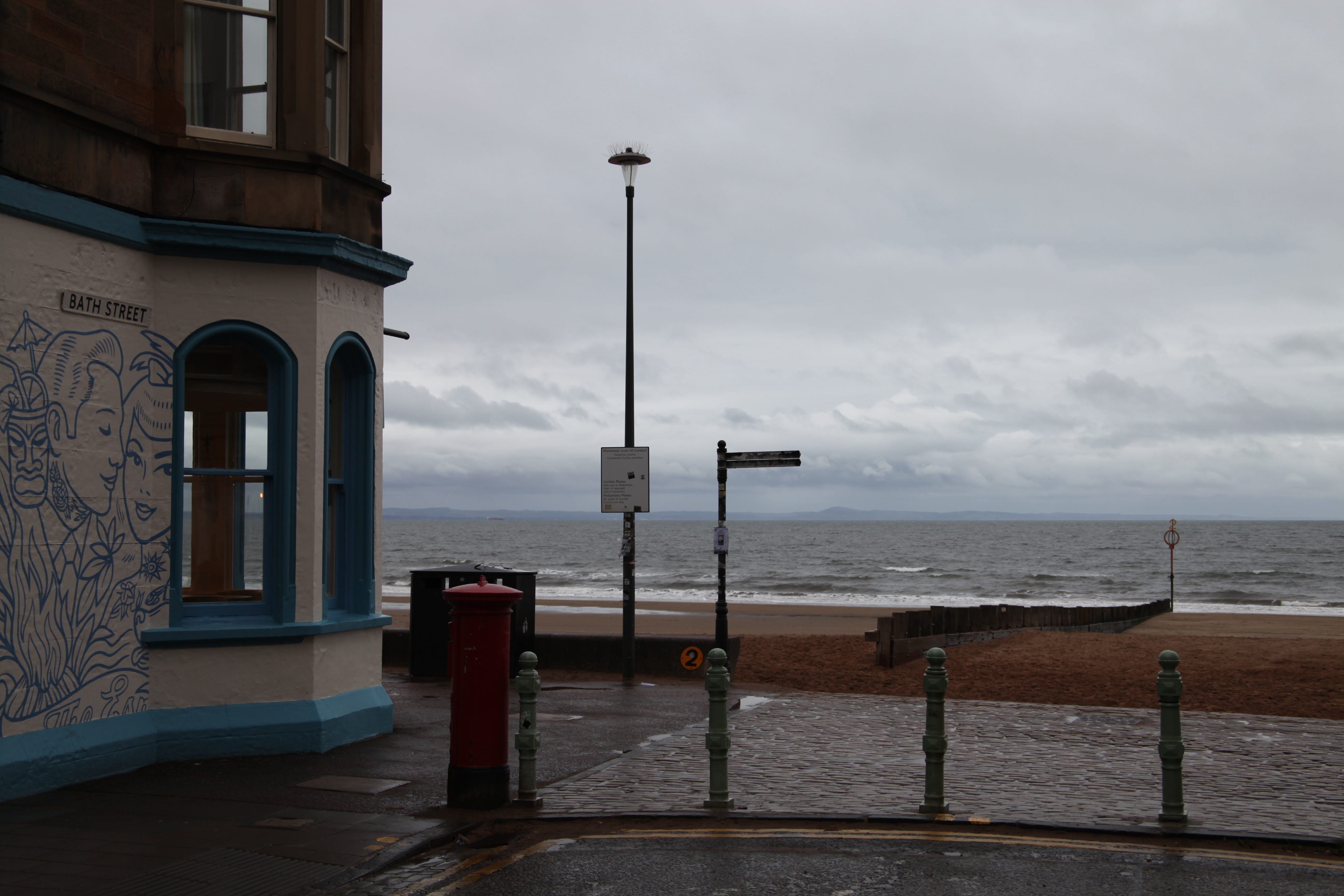
Back then, there was almost nothing for visitors, bar the beach and a slightly rundown looking chippy which had fantastic fish and chips locals swore by.
It would be another seven years before the Espy opened its doors.
“Maybe 10, 15, 20 years ago, we had quite a lot of antisocial behavior and problems at night times,” Noble says. “There’s been a whole uplift in Portobello, from the high street to the Promenade, it’s a much nicer environment than it once was.”
In the intervening years, the Prom and the nearby high street have been transformed with the opening of a series of new businesses.
That includes all-year round food stalls on the Prom; a seafront portable sauna and the Little Green Van serving up hot drinks in view of the sea; not one but two book shops (Portobello Books and PortaLibri) on the high street, and food and drink venues such as the Smith and Gertrude wine bar and Aemilia artisan pasta shop.
Portobello is a now well-known day excursion for growing numbers of city residents and tourists alike, thanks to its beautiful, sometimes windswept, beach and the many small local businesses that prop up the neighbourhood.
Noble attributes the change to the hard work locals put in to attract a different clientele to Edinburgh’s seaside, but also mentions the gentrification of the area.

In 2003, a two-bed one bath flat on Straiton Place, a street right off the waterfront, was sold for £130,000. In August 2026, the same home was bought for £340,000.
That figure is just below the average asking price for most properties in Portobello.
The seaside suburb has become one of the most popular places to live in the capital, with demand especially high from young families and academics from the city’s universities.
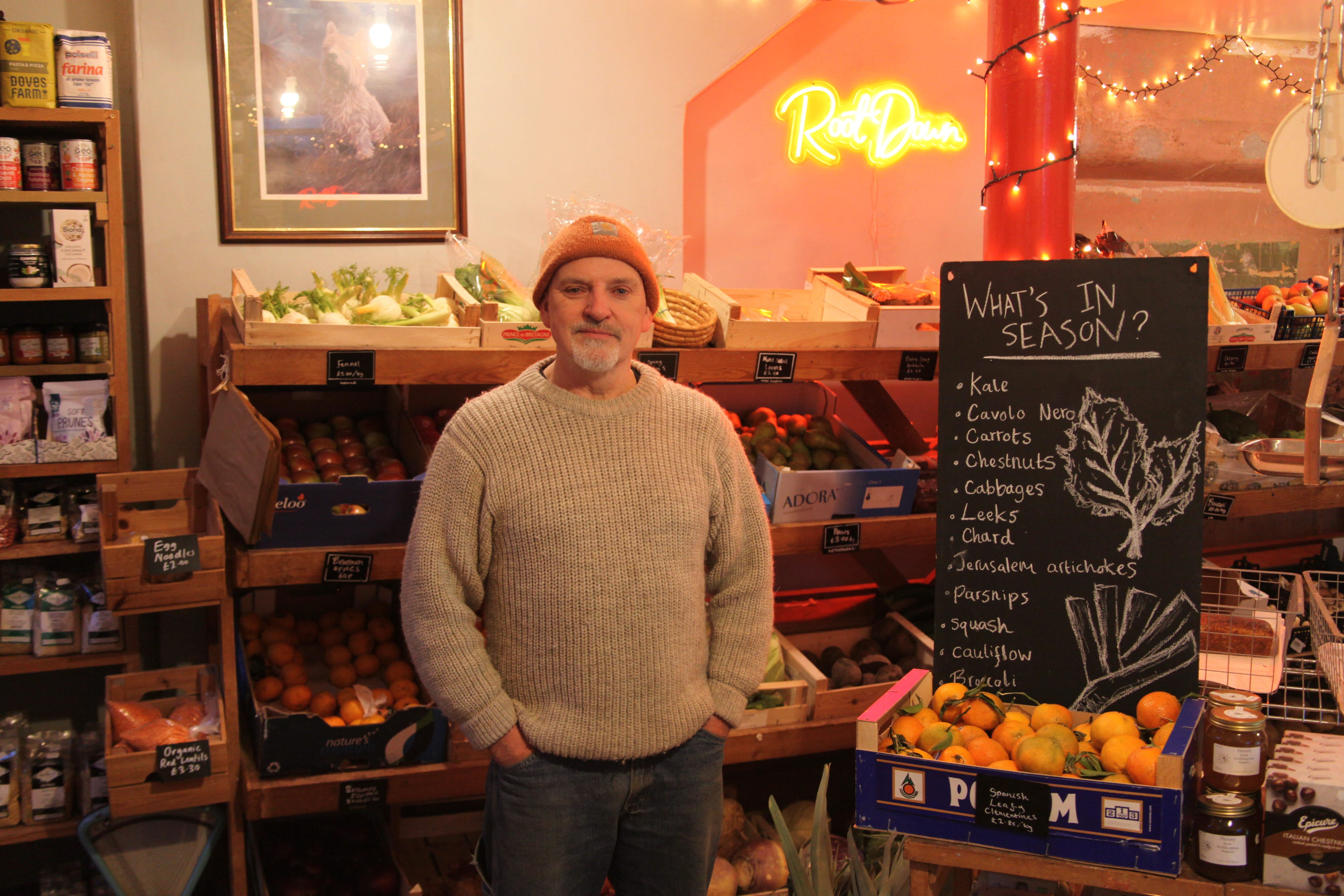
Harry Mayers took over Root Down, a fruit and vegetable shop on the northern end of the high street, about a year and half ago.
“We’ve lived here for 20 years, our kids grew up here and went to school here,” Mayers says. “We’ve always just loved the community and [taking over Root Down] felt like a really good opportunity and place to be.”
Mayers remembers Portobello as a child, saying it wasn’t really a place people would come to and hang around, but the area has gradually evolved to become the community it is today.
“The years have gone by and I think a lot of people who initially moved to Edinburgh came to Portobello instead because it’s got a lovely community feel to it.”
Mentioning the many young families that have moved in over the years, Mayers says “there’s always been a really good, strong community spirit going on here.”
Propping up the community
While sunny days and seagulls on Edinburgh’s seaside may seem like a distant memory as winter sets in, activity is still swarming around Portobello’s Prom.
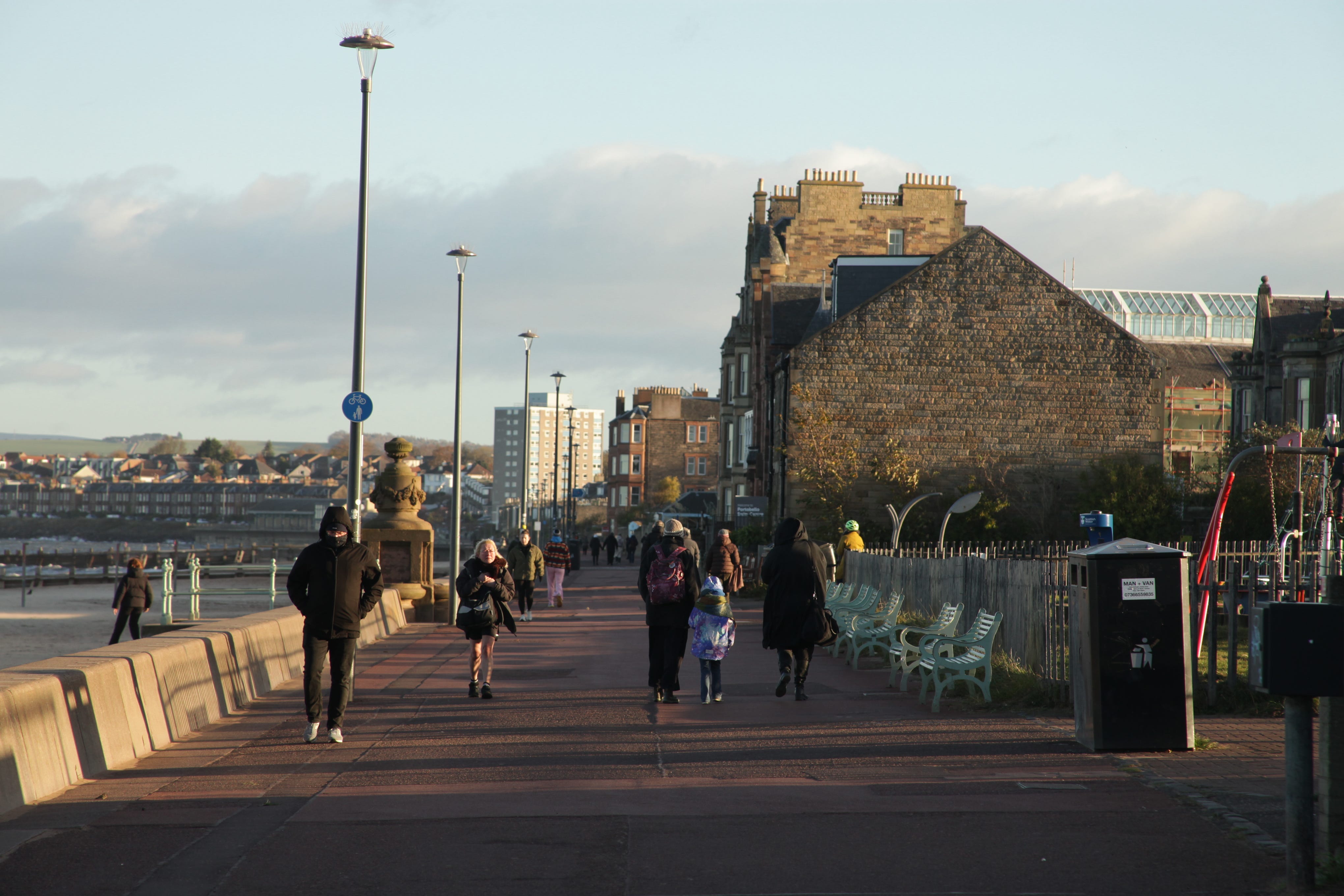
Following the influx of money raised by the new Visitor Levy implemented in July, the city council is planning investment in the seaside strip.

