


It started with a ‘bike-shaped object’
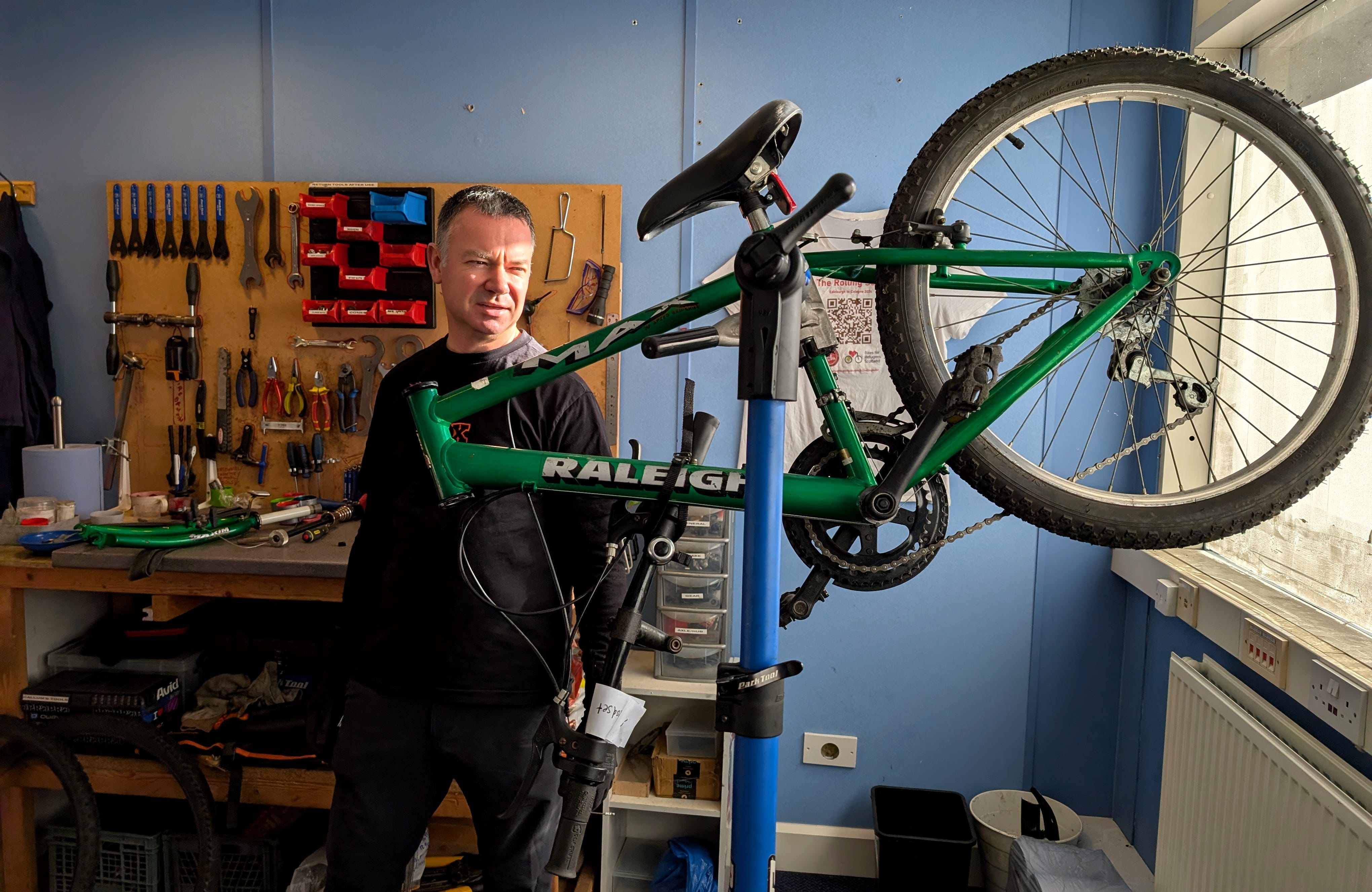
It all began one Christmas Eve, when Steven, a Scottish public health worker, and Yaman, a refugee from Syria, went to a bike shop. Yaman had bought a second-hand bike for roughly £15. “Unfortunately, it was what our mechanics would call a ‘bike-shaped object’, rather than a functioning bicycle that will actually take you anywhere,” says Steven.
The bike shop owner confirmed the bike wasn’t salvageable. However, after chatting with Yaman and getting to know more of his story, the shop owner decided to give Yaman one of the second hand bikes in his shop. “It helped me when I first came to Scotland, to make my new home here when I didn’t know anyone or where to go,” says Yaman. Steven and Yaman both realised the lifeline a bicycle, and the free transport it provides, could be for asylum seekers and refugees.
That simple idea - and that spontaneous act of generosity - has grown into something incredible.
Yaman went on to become a trustee, and Steven the CEO, of a new charity: Bikes for Refugees (BfR). In the eight years since, the charity has grown to a handful of permanent staff and more than 50 volunteers, including refugees or asylum seekers among them, in Edinburgh and across Scotland. The charity has given more than 3500 bikes, along with helmets, bike locks and lights, to refugees and asylum seekers to date.
The unexpected power of the humble bicycle
“Bikes provide free travel and make it easier to travel to places like college and volunteering, a
nd for those that are alone and have lost their families they help to meet new people and make new friends,” says Mehdi, an Iranian refugee.
Second hand bikes are more expensive today than they used to be, but if you just want to get around you can still pick something up for £150 or so. Despite wild Internet stories about asylum seekers staying in luxury hotels and being gifted smartphones, the reality for most asylum seeker in the UK is, in general, that they are not allowed to earn money by working, and receive a weekly allowance of £49.18 for all expenses except housing. For those in accommodation which provides food, like a hotel, the allowance is £9.95 per week. This means that not only is a large purchase like a bicycle impossible; even a bus ticket (£4.40 for two single journeys on Lothian Buses) swallows more than half of their weekly budget for food, toiletries, clothes and anything else they might need.
If an asylum seeker is granted refugee status (72% of claims were approved in the UK as of 2025, including those accepted on appeal), things might become even harder. The refugee has between 28 and 56 days before their asylum allowance ends, and is entitled to a minimum seven days notice before having to move out of their accommodation. If they cannot immediately find work and a home, they can apply for benefits and council housing the same way that British citizens do. They are not prioritised over other applicants for either of these benefits.
Refugees who arrive through resettlement schemes, and therefore do not have to apply for asylum, have access to more support from UK and Scottish governments as well as from community groups or private individuals. Relatively few refugees arrive through resettlement schemes; in the year before March 2025, 2,044 refugees arrived in the UK via resettlement schemes and 44,370 were granted asylum. Both of these figures are lower than the previous year.
“It’s not unusual that people on a daily basis are having to make choices between eating and expensive public transport costs to access essential health services, language classes, meetings with legal representatives, regular meetings with the Home Office… something like a bicycle really alleviates a lot of disadvantage and poverty,” says Steven.
The benefits of a bicycle are clear simply from the level of demand that BfR deals with. For all eight years of the charity’s operation, without any active promotion, there has been a waiting list for bicycles. That waiting list is currently sitting at 900. “The real challenge is meeting the demand,” says Steven, “trying to get bikes out as quickly, as efficiently and as safely as we can.”
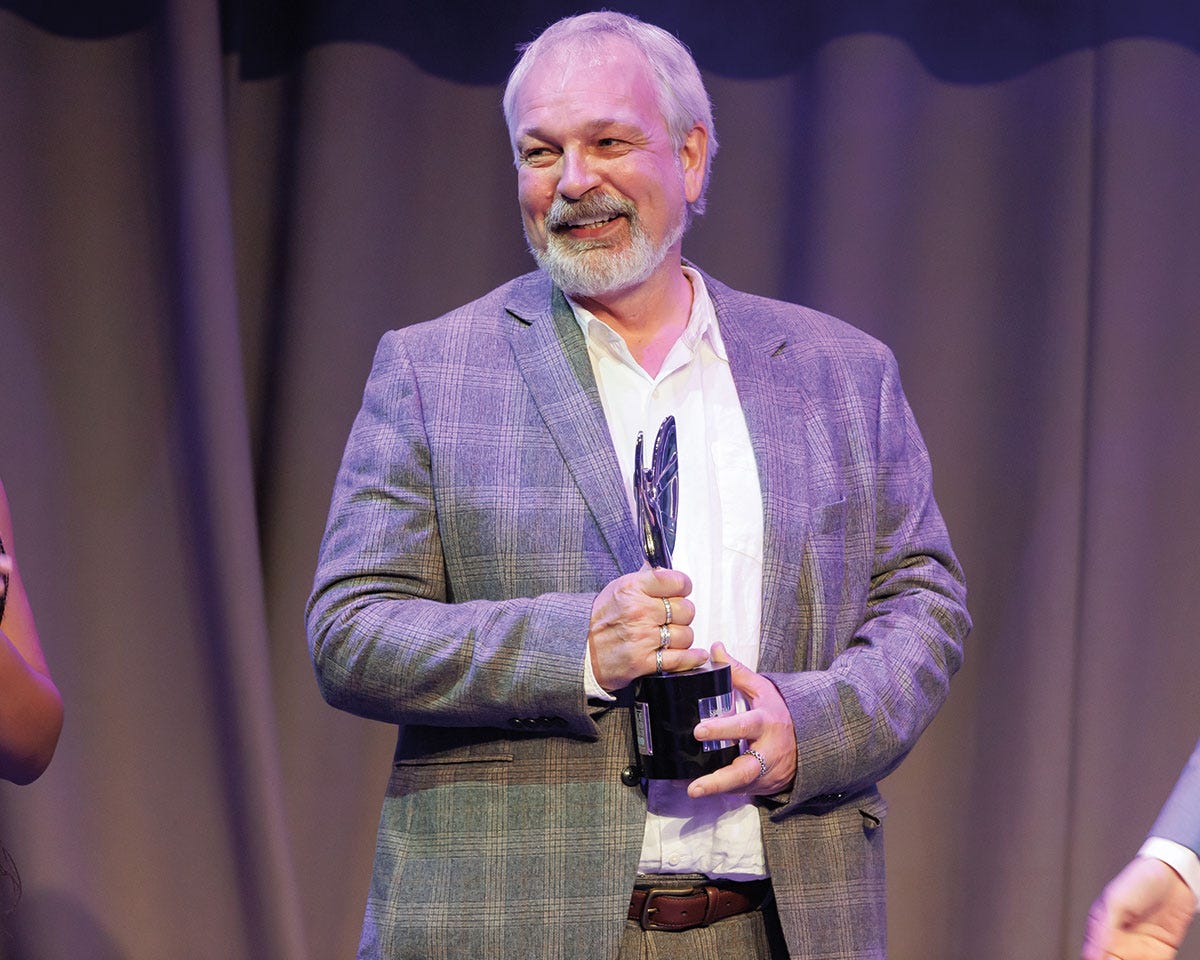
The charity has a team of employed and volunteer bicycle mechanics, dedicated to ensuring bikes are working and safe before they are given out. Plenty more goes on behind the scenes to keep the bikes coming in and going out. Volunteers also cover the collection of donated bikes, with experienced staff welcoming refugees and asylum seekers to the bike hub to receive their bike, and covering the mammoth admin burden of keeping the production line moving.
