

“I thoroughly believe in human socialising. The reason we got into this and chose this is because we love that and we like people.”
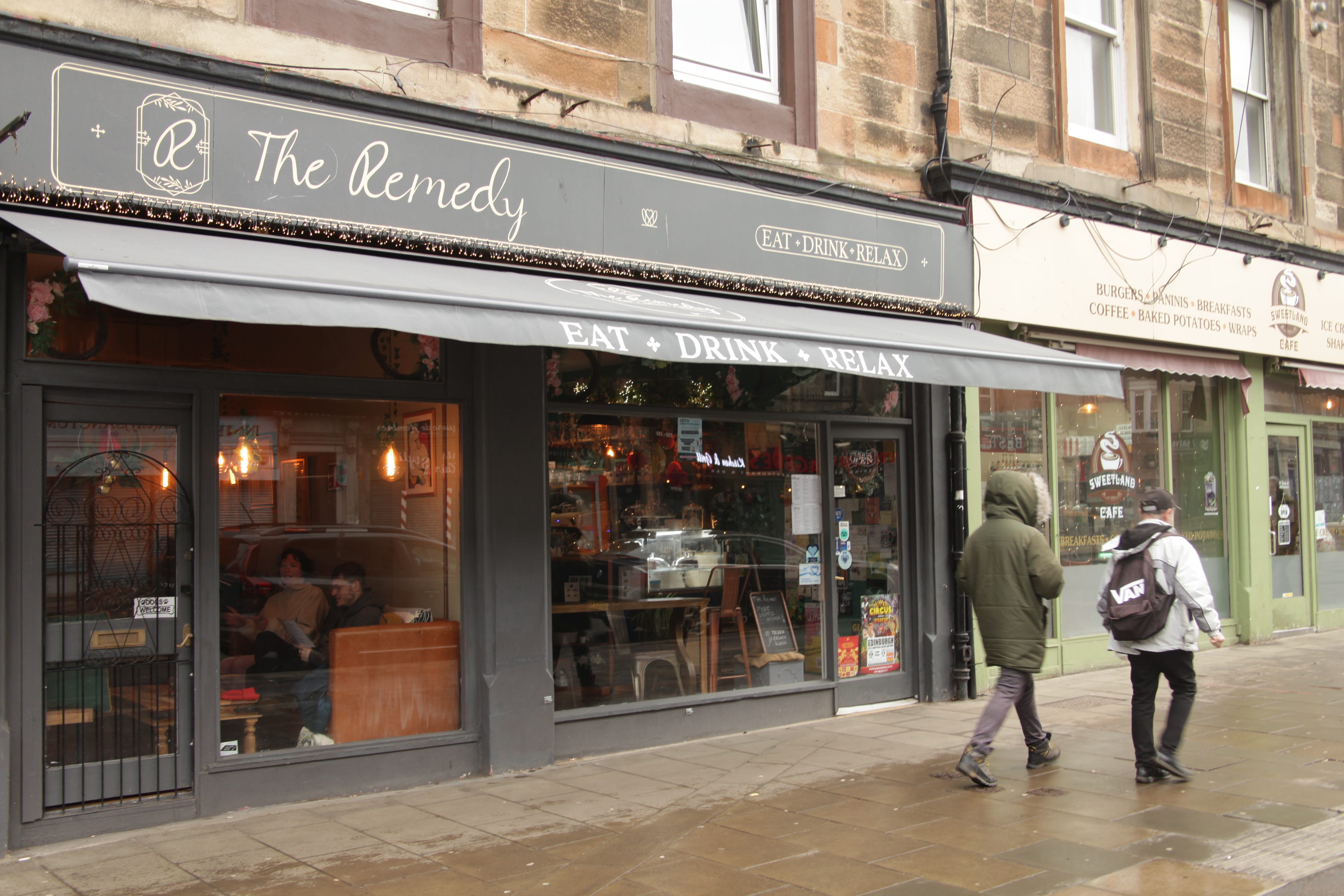
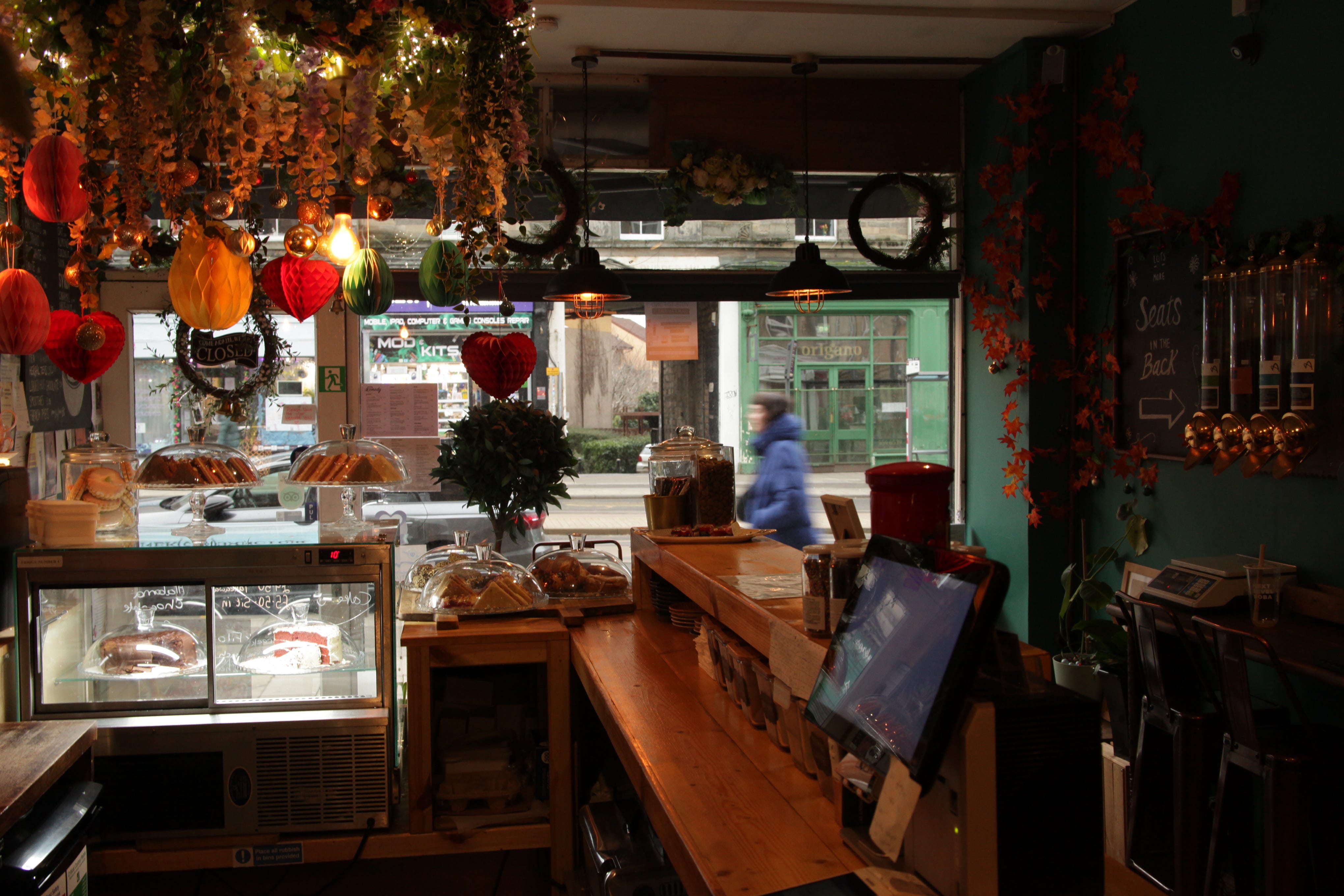
Paul Buchanan offers a warm welcome at his small cafe, The Remedy, halfway down Leith Walk. Many of his customers are regulars who he knows personally, but all get the same friendly greeting even if it’s their first time through his door, writes Clifford Heberden.
As we talk he keeps breaking away from our conversation to hold the door for prams and people sitting in wheelchairs, greeting them with a smile and a joke.
These days however, embodying the idea of hospitality might not be enough for small independent businesses, struggling against a tide of rising costs.
“If you want to see the worst thing that can happen, drive to some of Scotland’s towns and villages. There’s no shops, there’s no cafes, there’s nothing, the people living there have nothing to go to,” he says. “We’re a bubble here in Edinburgh, we’re surviving at the moment with all this being thrown at us, but that bubble must burst.”
He feels it’s gonna burst if something doesn’t change. And he firmly believes that would be a terrible thing, not just for his business and others like it, but for the community as a whole.
How do you place a value on a local business?
What is the value of that coffeeshop on your street? What is your local pub or the neighbourhood restaurant really worth?
How do we value the work and presence of businesses like Paul’s?
As part of the 2026 revaluation - a once-every-three-years process which is due to come into force on the 1st of April - businesses across Scotland found out where their new rateable values stood in the eyes of the Scottish Assessors.
For many independent owners, the proposals they face are yet another blow at a time when their livelihoods are being relentlessly squeezed by rising costs. For some, it is potentially devastating.
Cafes, pubs, restaurants and independent music venues are among those who appear to be facing the biggest rises.
The Scottish Licensed Trade Association (SLTA) has just published their latest bi-annual survey, which showed nearly three quarters (73%) of licensed hospitality venues saw their profits fall compared to last year. One in seven (14%) participants were either planning or considering closing.
When factoring the importance of third spaces in a community, what is a cafe, a bar, or a restaurant really worth closed?
Rises across the board
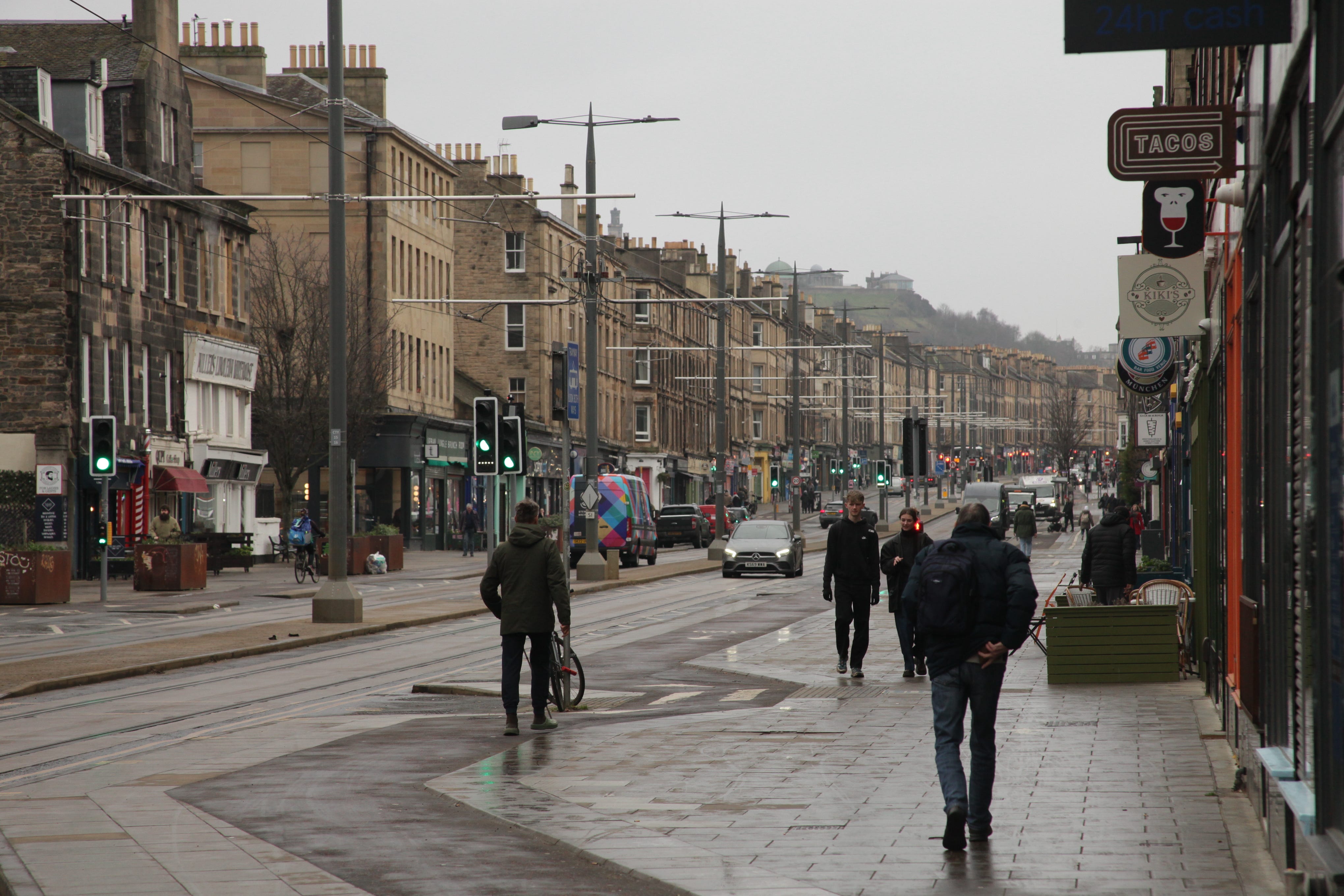
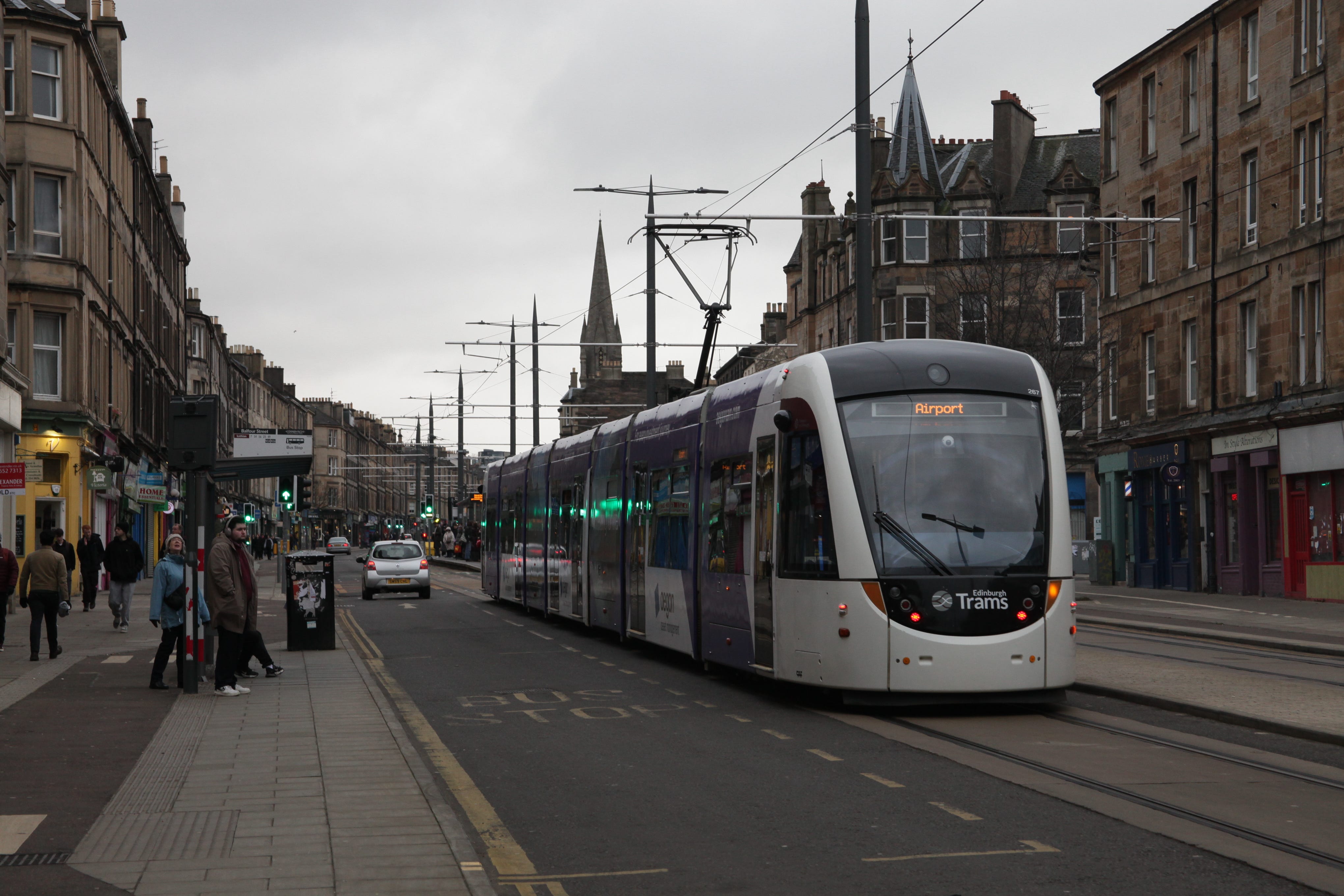
Pubs and clubs may be bearing the brunt, but they are far from alone. Few premises along Leith Walk are not facing bigger bills, some are contemplating staggering increases.
Independent bookshop Argonaut Books, who successfully campaigned against Waterstones plans to open on its doorstep, is facing a 20% hike (from £17,500 to £21,000) in its rateable value. To make matters worse, passing the £20,000 mark means it will lose all support offered under the Scottish Government’s main rates relief support programme, the Small Business Bonus Scheme.
The independent bakery Leith Cake Box is looking at a 24% rise (£13,400 to £16,600), the Edinburgh Laundrette a 21% jump (£13,600 to £16,400) and the Taste of Poland shop a 20% increase.
Braid Vets is facing a 20% rise (£14,000 to £16,800), as is flooring specialist Arthur Miller Linoleums (£17,200 to £20,700), while the Kadampa Meditation Centre has seen its rateable value rocket 42%.
The issue will no be lost on MSPs Sarah Boyack and Foysol Choudhury whose office is facing one of the biggest increase of 42% (£13,000 to £18,500).
The list goes on and on.
Most independent stores are seeing higher proportionate rises than their supermarket neighbour Tesco whose increase is a more modest 15% (£66,700 to £76,200).
The story is the same on local high streets across Edinburgh and the Lothians, and beyond. The Inquirer chose to focus on Leith Walk as a way of illustrating what is happening on our high streets.
The Scottish Government has committed to a programme of rates relief, particularly for smaller businesses, ensuring tens of thousands of businesses either don’t have to pay rates or pay at a level reduced from their new valuations. However, the Federation of Small Businesses say this leaves independent businesses across the country facing higher bills and in some cases “eye-watering” rises.
The Situation
Independent owners Pete Mason and Paddy Kavanagh see the prospect of closures in their neighbourhood as major losses, culturally and socially.
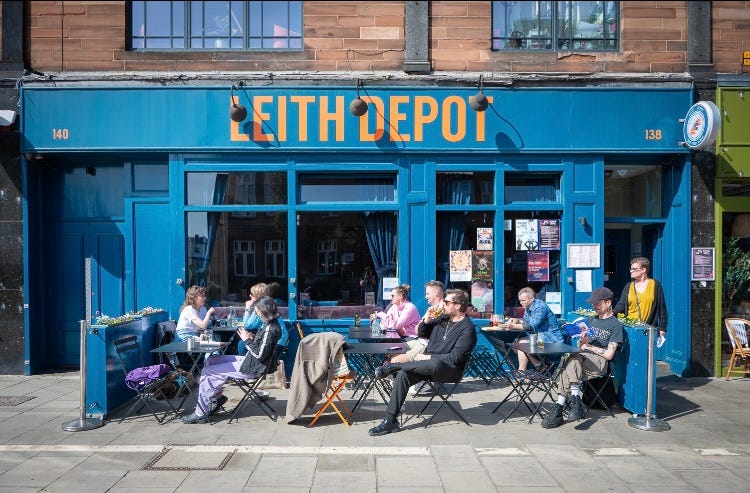
Their grassroots music venue, Leith Depot, has seen its rateable value jump from £28,800 to £45,600.
Crunching numbers, they figure this 63% hike would represent somewhere between £500 to £600 extra to pay each month.
“I don’t think the Scottish Government has yet stated what their discount is going to be and how they’re going to address it,” Kavanagh says. “So it’s still quite all up in the air, but if it is as it is now, and it doesn’t change, well, that’s what it’ll be.”
When asked if this could be manageable for them, both owners simply replied no.
Colin Wilkinson, the SLTA managing director, has warned “the hospitality industry continues to face a very challenging economic environment.”
“A combination of costs rising significantly above inflation and consumers with lower disposable incomes adds up to a very difficult market for one of Scotland’s key industries and major employers.”
A snapshot of increases in rateable values for pubs, cafes and restaurants on Leith Walk
Leith Depot: £28,800 to £45,600
Harp and Castle: £26,700 to £32,900
Origano: £22,700 to £29,400
Ella - Taste of Greece: £17,300 to £22,400
Uwagboe’s Nigerian Kitchen and Grill: £32,200 to £41,700
The Remedy: £16,100 to £17,200
San Ciro’s: £16,600 to £21,500 + £15,700 to £18,800 (2 addresses)
NeighbourWood: £16,000 to £20,700
Robbie’s: £34,800 to £41,400
La Casa: £38,000 to £42,500
Paring back costs
Back at The Remedy, it’s been an interesting learning curve for Paul since he and his wife Jan took over the business a couple years ago as the country was coming out of lockdown.
“So much has changed over that time. We never really got the full grasp of it because it keeps slipping away from us and changing. There’s more changes ahead, isn’t there?” he says. “I’m not even sure what they’re gonna be. We just have to keep up to date, try to go with it, and keep the balance. That’s been the hardest spot.”
The rateable value of their business is set to increase from £16,100 to 17,200. They should receive relief of up to 25%, but the rise is compounded by the fact that the higher the bill the smaller the per centage discount. For them, it is just another extra cost to deal with, on top of all the others they have faced in recent years.
To juggle the pressures, Paul says the only viable approach is to try to pare down all their own costs, wherever they have control.
“We can honestly say we did a really good job of that over the last two years and we’re looking at where else we can go. We’re feeling like you can’t shave anymore before you start to affect the product you put out, before you then have to affect the prices you charge.”
‘Phenomenal’ post-Covid cost rises
Thinking of the years since Covid, Pete Mason says the rise in the costs for running his business have been phenomenal.
Increases in product costs, running costs and energy bills - on top of 20% Value-Added Tax (VAT) - has made their margins slimmer and slimmer over time.
Buchanan believes cutting the VAT rate - a decision for the UK government - would be the best way of supporting under-pressure cafes, restaurants and bars.
“A lot of people said that’s the one that would have the biggest benefit nationally, for everyone, not just Leith, not just Edinburgh,” he says. “To say ‘it’s food,
we’re providing sustenance for people, let’s not punish that’.”
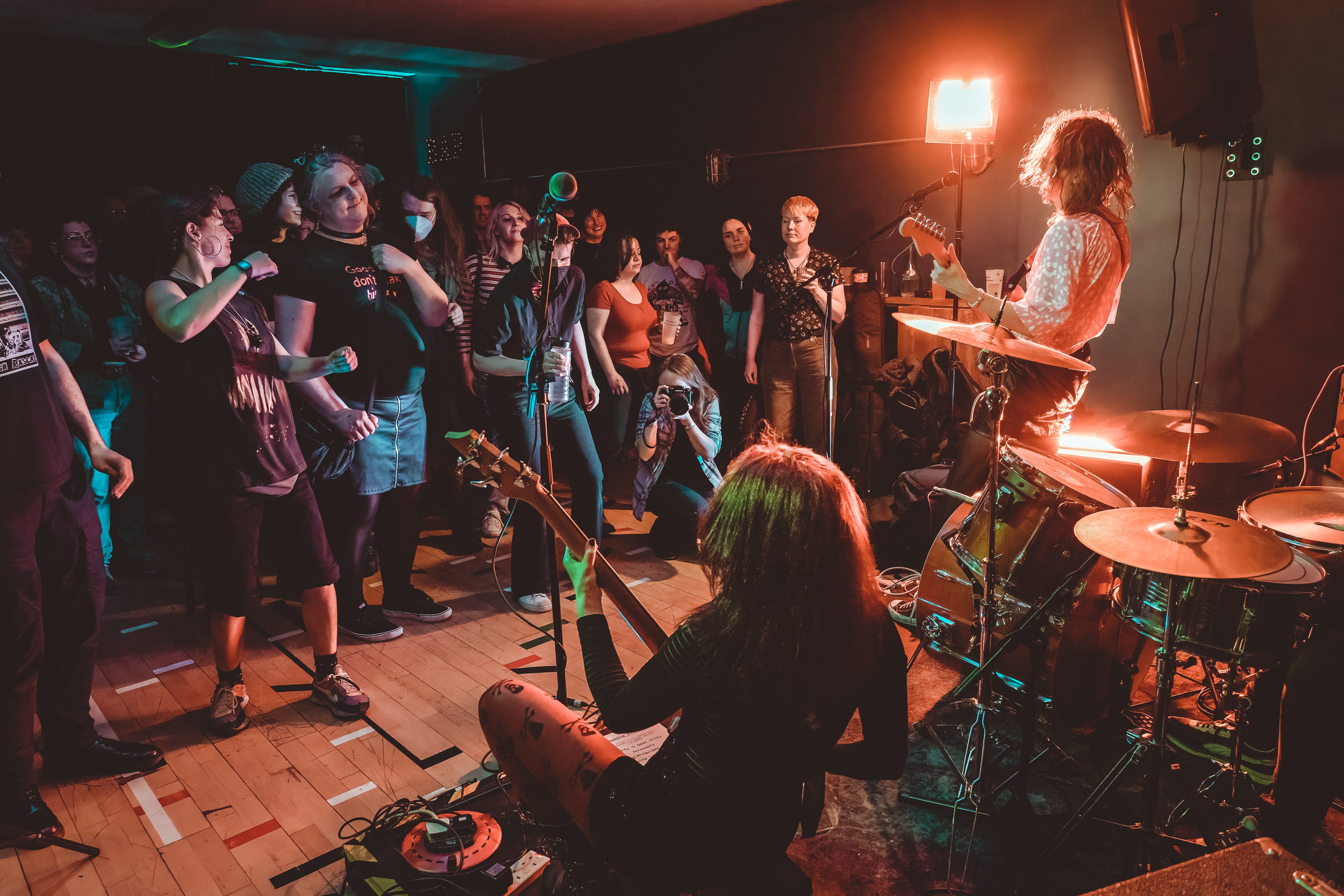
At Leith Depot, it is a decision which the Labour government at Westminster has taken which has hit hardest. That was last year’s hike in employers’ National Insurance Contributions (NICs), a tax which every company has to pay whenever it employs someone.
“That’s been a killer,” says Kavanagh, explaining their NICs bill has risen from around £2000 to £3700, about three times as big a financial hit as the one they are now facing as a result of their rates revaluation. “That’s massive to try and contend with, which basically means you’ve got to reduce (staff working) hours,” Paddy says.
The Music Venue Trust, of which Leith Depot is a part of, released a report last week showing a 19% drop in employment across venues in the UK.
“When you come to it at the end of the year, the margins are really tight,” he admits. “When these changes are implemented, it has a massive effect on our industry.”
According to the Fraser of Allander Institute at the University of Strathclyde, hospitality remained Scotland’s third largest employer in 2025.
A ‘fairer’ system
The latest rates revaluation was supposed to make things fairer. Previous calculations had been based on property transactions from several years earlier and in many cases a gulf had grown between the rateable value and the property’s actual worth.
The current revaluation aimed to bring rateable values more into line with the property’s true value using more recent data.
There are winners and losers, but across the Capital there appear to be far more of the latter.
The Scottish Government does offer a comprehensive rates relief scheme, known as the Small Business Bonus Scheme, which exempts firms with rateable values below £12,000 from paying rates altogether. It also offers tapered discounts for those in properties valued between £12,000 and £20,000 (reductions of between 100% and 25% for properties valued at £12,001 to £15,000, then 25% to 0% for £15,001 to £20,000 properties).
However, the increases in the latest rates revaluation is seeing many independent businesses lose some or all of their relief. The Scottish Government’s decision to freeze the thresholds rather than lift them in line with inflation means more are being hit, including some jumping over the £20,000 mark and losing all their relief.
The Scottish Government says it has already gone to great lengths to protect businesses from the biggest rates increases. The 2026-2027 Budget, it said in a statement, would “ensure the lowest Basic Property Rate since 2018-19 and support business and communities with a package of reliefs worth an estimated £864 million including transitional reliefs and the Small Business Bonus Scheme which remains the most generous of its kind in the UK.”
Increases will be capped for the coming financial year. “Increases in gross rates liabilities due to revaluation will in 2026-27 be capped at 15% for small properties, 30% for medium and 50% for large properties, rising in subsequent years – benefiting 60,000 ratepayers,” it added.
It has also committed to passing on an extra £8m it is due to receive for the upcoming year as a result of the UK Government’s Budget decisions “in further support to business”. Talks are taking place with industry representatives about what form that might take, but that money is widely expected to be used to provide further relief for pubs, cafes and restaurants.
‘Prices have to go up every three months’
Nonetheless, the SLTA reports over 86% of their respondents didn’t think “the economic policies of either the Scottish or UK governments are aligned to growing their businesses.”
“We cannot operate in an environment where 14% of respondents are planning to or are considering closure,” Wilkinson says. “So we urge all parties within the Scottish Parliament to place early rates reform, and within the Westminster Parliament a reduction in VAT for the licensed hospitality sector, at the heart of their economic strategies.”
This sentiment was shared by the Leith Depot owners, who said a reduction of the 20% VAT would make a big difference for their business and customers.
“You would even take 15%,” Kavanagh says. “Because at the moment pubs are just shutting, they’re just shutting.”
Pete Mason said that when they started their venture in Leith, prices only went up once a year to counter increases in costs for business.
Their prices are now having to rise quarterly.
Pete Mason and Paddy Kavanagh say they will be meeting with their MPs and MSPs directly to explain how new measures and the ongoing state of hospitality was affecting their business.
The Takeaway
With all these challenges looming over businesses, and their customers inevitably having to count their pennies too, Paul asks how the loss of local cafes and bars will affect the community at large.
“When we start even affecting those customers, with taxes and costs... Where do we go?” he asks. “If we lose this, where are people going to go?”
Along the road, Pete has just had some friends visit from London and recalls taking them to The Shore where all the businesses bar one were closed. He’s noticed more and more restaurants and pubs scaling down operations and closing on Mondays and Tuesdays.
“And that’s the starting point,” Paddy says.
“That’s when you can tell things are going downhill,” Pete adds.
The knock-on effects of a struggling hospitality sector is affecting third spaces for communities all over Scotland, not just in Leith. Kavanagh and Mason point to the impact on the social and cultural scene in their neighbourhood, but also industries dependent on their well-being.
“We have a lot of local breweries around the corner, so that’s then trade for them gone,” Kavanagh says. “It’s a bigger effect in the community and on businesses around it, it’s not just one business having to shut down.
“It’s a bigger cultural problem that needs to be addressed.”
Nonetheless both owners agree looking forward and trying to build enthusiasm for their venue is the only thing they need to keep their eyes on as they navigate a potentially precarious situation.
“You just have to have 100% confidence that you’re going to continue and go on,” Kavanagh says. “We’ve been through the mill here so we probably know more than most how to persevere with it.”
“You have to be optimistic,” Mason insists.
“All you’d hope for is just a bit of fairness…” Kavanagh says.
“A bit of leeway…” Pete adds.
“A bit of leeway and a bit of talk before actually changing figures,” Paddy concludes.
The first debates on the general principles of the proposed Scottish Budget are scheduled to take place next week, on Thursday, February 12.