


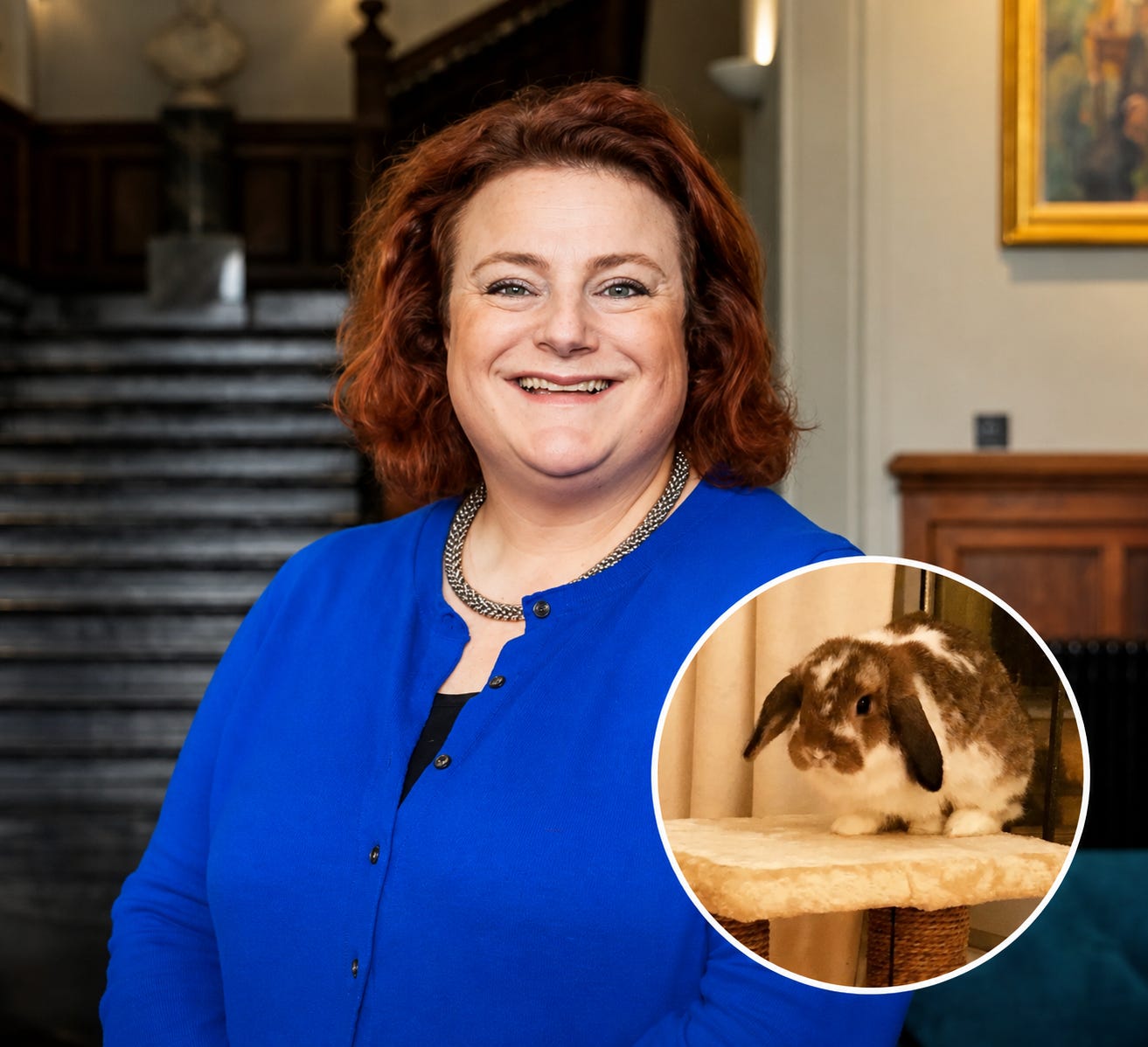
It’s a question that might be posed by anxious owners of Scotland’s third most popular pet when their floppy-eared, bob-tailed companions are poorly – “Eh - What’s up, doc?”
The immortal words first uttered by the world’s most famous cartoon rabbit, Bugs Bunny, whose catchphrase became known around the world as he outwitted hunters, and other assorted villains.
But the question could just as easily be asked by the legion of rabbit owners in Scotland when their charges - one of Scotland’s most popular pets - are under the weather. The reality is that even for highly-trained local vets, the answer is not always easy to come up with.
Rabbits, you see, are far from straightforward despite being our most popular house-animals behind dogs and cats. However a prize awarded each year to fourth year students at one of Edinburgh’s truly world-class institutions – the Royal Dick Veterinary School at the University of Edinburgh – is doing its bit to change that. Thanks to an award set up in memory of Hector Paterson.
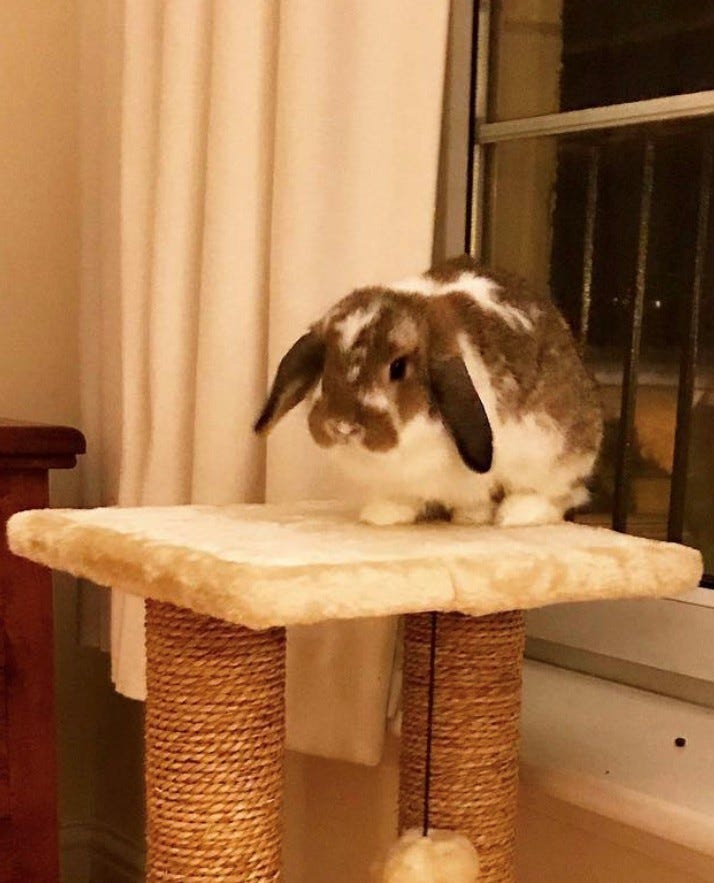
Hector was a much-loved rabbit, owned by Edinburgh woman Lindsay Paterson who had encountered the need to improve focus on rabbit medicine first-hand. When Hector was unwell, her own vet referred him to the Dick Vet, which has one of the best small animal hospitals on earth at its Midlothian campus, with a department specialising in “exotics” – which includes the rabbit.
Lindsay appreciates the value of good medicine, and the levels of training behind it. She’s the Global Director of Engagement at the Royal College of Physicians, a Governor at Fettes College and sits on the board of more than one charity. She is also a former city councillor.
Raising awareness
Tens of thousands of Scots – more than 30,000 - share their homes with a rabbit, or rabbits, but the reality is that keeping a bunny safe and healthy is often more complex than caring for the far more popular cat or dog, and conversely because dogs and cats are so pre-eminent in small animal practice veterinary expertise and experience is less widespread.
Lindsay told us: “Hector was a lovely companion, but he was never really as well as I would have liked. My own vet referred us to the Royal Dick Vet, where he did receive wonderful care and attention, but that level of expertise was really not that widely available.
“Rabbits, as I discovered, are prone to all kinds of things, not least linked to their diet, and I really felt that if more vets had a bit more knowledge and interest in them then perhaps it would be a good thing.”
So she established the Hector Paterson Prize. It’s something that is appreciated at the Dick Vet, regularly high in the lists of the best handful of Vet schools on the planet.
Creating “Rabbit Savvy” vets
Dr Jenna Richardson, Head of Service of the Dick Vet Rabbit and Exotic Animal Practice, said: “We feel a huge responsibility to teach our veterinary students about the nuances of this species, so that they can go on to be the ‘Rabbit Savvy’ vets of the future. We are very grateful of Lindsay’s support and, in memory of the lovely Hector, the Hector Paterson Prize provides additional encouragement for our students to develop and grow their interest in rabbit medicine. Every year, we are inspired by the passion and commitment of our student winner, and this year is no exception with Kai Yin a worthy winner.”
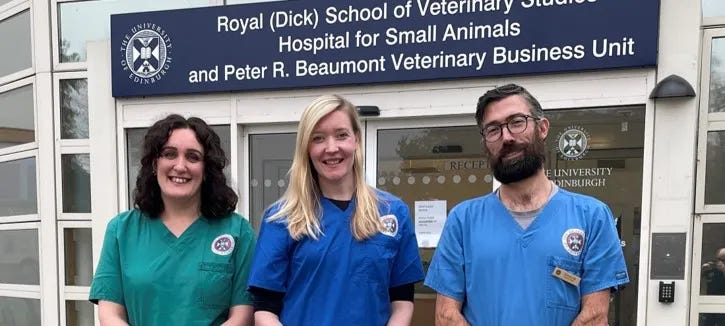
Special attention is needed, she said, because “pet rabbits are wonderful, but also complex animals. Just like their wild counterparts, pet rabbits need: a high fibre diet (grass/hay/forage) and should spend over eight hours a day eating hay to keep their constantly growing teeth healthy; lots of space to run, jump and dig; rabbit company so they don’t get lonely; and safe places to hide and rest. Their remaining natural instincts also mean that, as prey animals, they often try to hide signs of illness.”
Unlike their famous cartoon brother, they don’t spend all day munching on carrots.
Dr Kai Yin Tang is this year’s recipient of the Hector Paterson Prize, and said: “I am deeply humbled and honoured to win the Hector Paterson Award this year, and it has been a great encouragement to me. Given my interests in exotic animals, the award not only served as a recognition to my hard work and passion in the field of rabbit medicine and surgery, but also as a reminder to what truly matters to me as a vet – the animals, big and small, and the people who love them. Most of all, I believe this award has brought attention to the importance of rabbit medicine and surgery amongst people – both within the veterinary field and in the public sphere – which we have Hector and Lindsay to thank for!”
“I would like to thank Lindsay and Hector for the award and for all the good work that they have done in spreading awareness and encouraging the next generation of students in rabbit medicine and surgery.”
For her part, professed animal-lover Lindsay is happy that she, and Hector, continue to help spread the word. “We’ve been doing it for a few years now, and we’re happy to continue. For many tens of thousands of Scots, their pet rabbit is a cherished companion, but caring for them can be something that is misunderstood, and vets tend to be less experienced when problems are at all unusual.
“If the prize can help improve that in some small way, then that is marvellous.” And on that note, as Bugs may have said, That’s All Folks…