


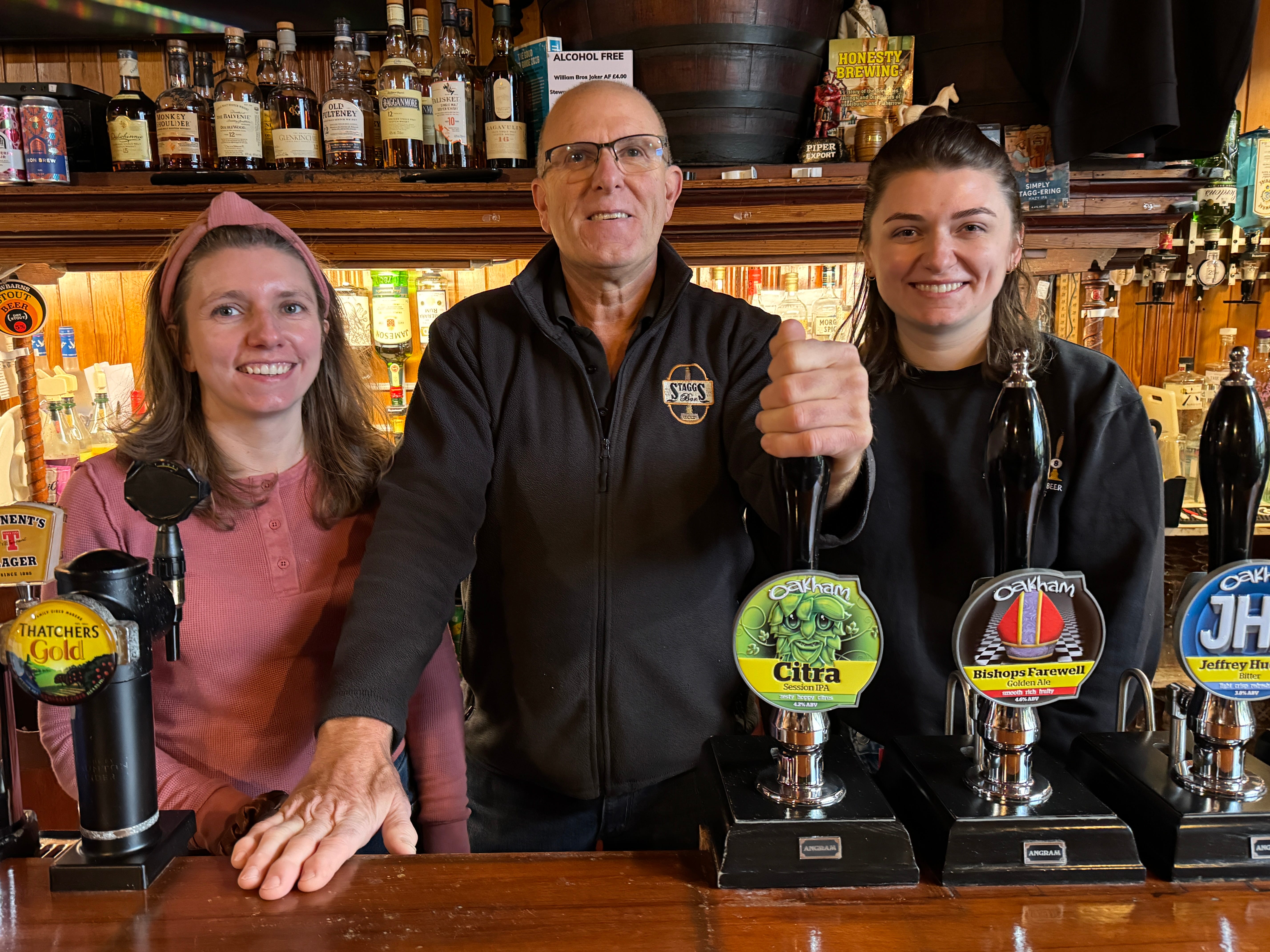
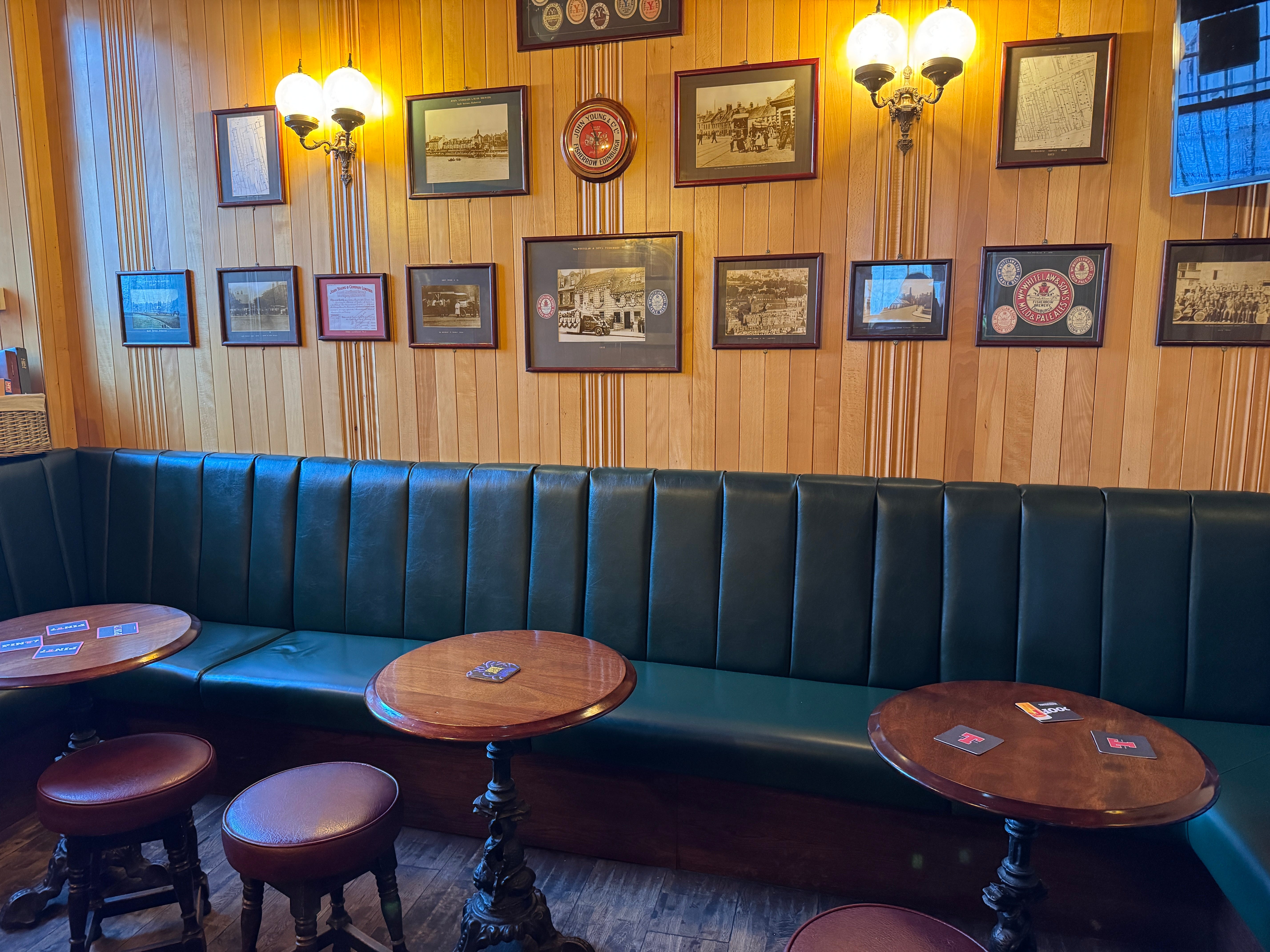
Stepping into the wood-panelled bar of The Volunteer Arms is like travelling back in time.
The Victorian cask barrel fittings and old brewery mirrors give it a retro feel. This isn’t a museum though, or one of those mock-old, cod-historical pub interiors you can find all over the country. This is the real thing.
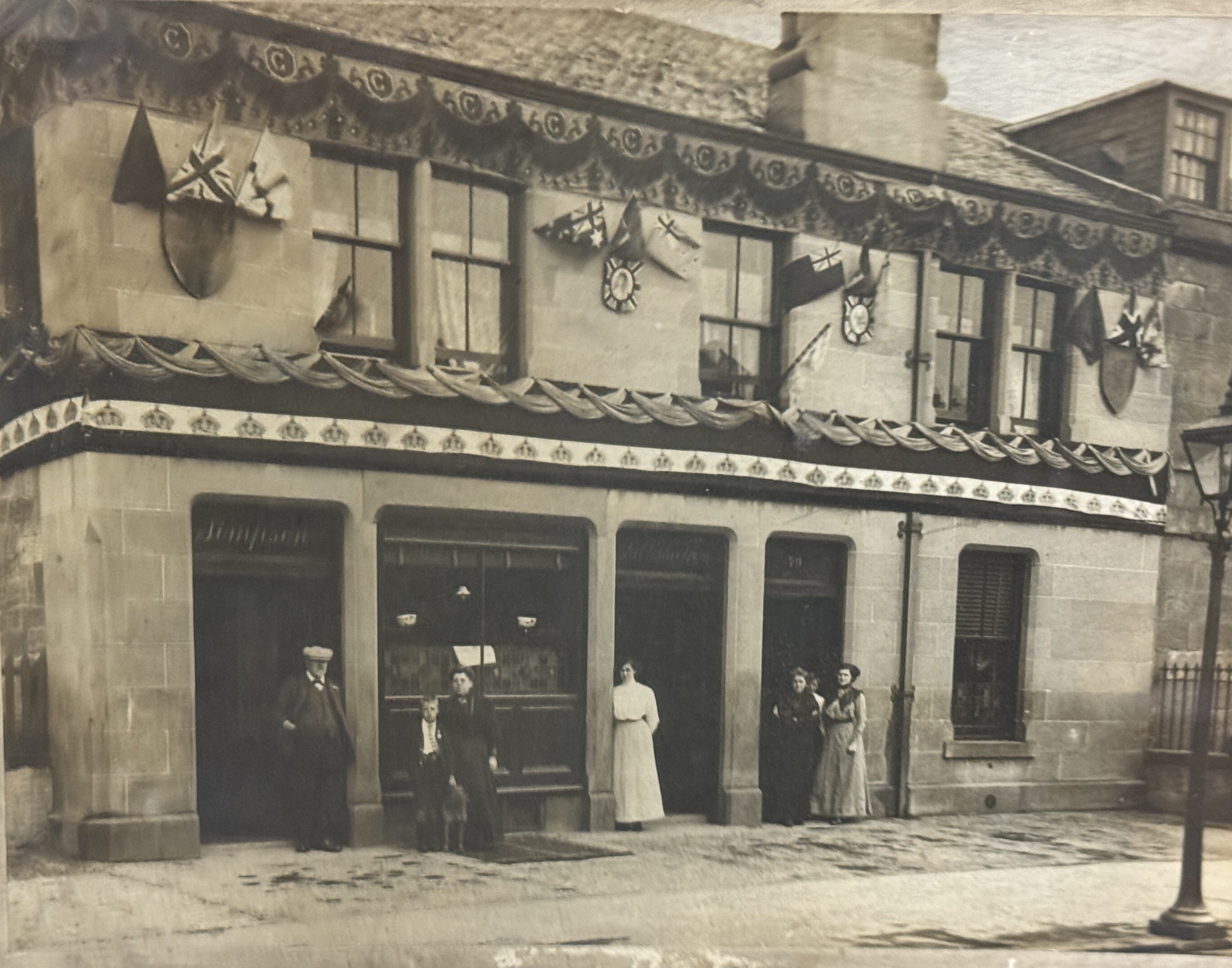
The Volunteer Arms, or Staggs as it is also known to many of its faithful customers, is a thriving pub at the heart of its community. It is a dyed-in-the-wool local with a heritage perhaps unmatched anywhere in Scotland. Some of the fittings survive if not from 1858, when the landlord’s forebearers first took over the bar, then not long after.
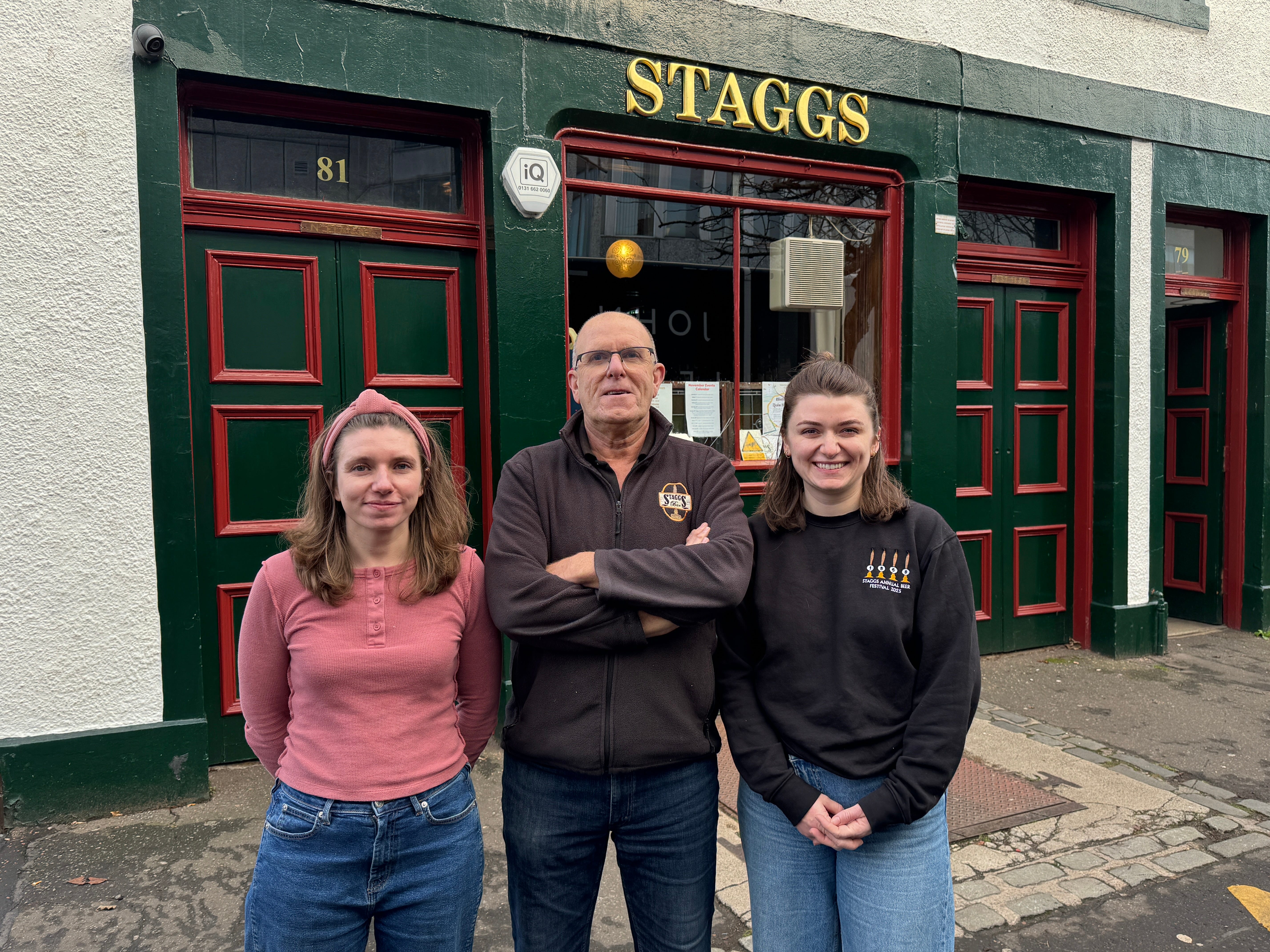
Nigel Finlay, 66, runs the bar with his two daughters, Katie McKenzie, 34 and Hayley Finlay, 31. After 166-years running the award-winning Musselburgh bar, being a publican clearly runs in the family’s DNA.
Any pub surviving for that length of time, never mind in the same family, is an increasingly remarkable feat. This year has seen the closure of several much-heralded Edinburgh pubs, as soaring costs - business taxes, utility bills, wages and (appropriately enough) sky-high charges for showing Sky TV - take their toll.
The Bon Vivant on Thistle Street; Southpour on Newington Road; and Fisherrow Tap, just down the road in Musselburgh, are the well-known names to have called last orders in recent months.
Last weekend, Ruma on Broughton Street joined them, with the experienced hospitality duo behind the neighbourhood cocktail bar, Jamie Shields and Steven Aitken, blaming the “very challenging climate”.
The Scottish Licensed Trade Association (SLTA) has described the current pub landscape as “brutal”.
‘She ruled the roost’
Nigel’s earliest memory of the pub was sorting out different beer bottles to be returned for money. “The original bottle return scheme,” he jokes. He was born in the flat next door, and worked as a mechanic before taking his rightful place behind the bar.
His aunt, Catherine Locke, from whom he took over the running of the bar, in 1996, was quite a character. “You didn’t mess with her. She ruled the roost, but she was very fair. She stood for no nonsense. If somebody wanted chucking out, she was sent for, and they were dealt with appropriately.”
That approach still applies today. “When you walk in the door, you should feel comfortable,” says Nigel. “I think that’s a part of Staggs success.”
His two daughters are both involved with the family business, but neither imagined they would end up here full-time. Katie studied Physics at Edinburgh University, while Hayley studied for a BSc Geography from Aberdeen University and an MSc in Urban Transport from Glasgow University.
Nigel’s wife, Donna, was the bookkeeper but wasn’t keen for her daughters to enter the family business. “Our mum just wanted us to have options,” says Hayley. “To see what was out there, and return when it was right for us, because it’s not an easy way of life.”
Although Staggs, is weathering the current economic storm, the family have their ancestors to thank for that. “If we had to pay rent here, we wouldn’t be doing this,” says Nigel, explaining that past generations bought the building, meaning he has no rent or mortgage to pay.
Like many other pubs and local businesses, Staggs is facing a significant hike in its rates come April, as a result of the ongoing revaluation of business rates in Scotland.
Katie began cleaning in the pub as a teenager, before progressing to glass washing and continuing to work in the pub with her dad while studying. “There was no pressure from her dad to take it on.”
Pulling her first pint at 18 was nerve-racking. “Everybody knows you because you are the boss’s daughter, and if you can’t pour a good pint, you’re in trouble.” But working alongside her father, she has discovered her true calling. “I feel kind of lucky, I’ve just fallen into something really good. I do work really hard, but it feels enjoyable.”
Flaming good tales
Musselburgh author Jim Lawrie has compiled the family story in a book about the establishment and the area’s brewing history. It includes a legendary pub story about a mechanic who popped in for a lunchtime pint, struck a match, and set fire to his greasy petrol-stained overalls. The fire was extinguished by the quick action of customers using their pints to douse the flames.
“I don’t know whether that’s true or not,” chuckles Nigel. “You know how stories are embellished, but it’s stuck, it’s a good story.” He then regales me with more stories he can verify involving false teeth. “I should probably write all the stories down. There have been so many characters in here.” In the main bar, a hat hangs in memory of a regular who has passed, and another regular is commemorated with a small brass plaque under the bar.
Sister Act
Katie and Hayley make a great team. Katie, the ideas person, while Hayley is more considered. Hayley recently rejoined the family business and now lives above the pub with her partner, who also gets roped into part-time bar work.
They all agree the secret to the pub’s winning formula - it has recently beaten thousands of peers to reach the final four of CAMRA’s Pub of the Year, with the winner due to be announced later this month - comes down to the loyalty of the locals.
“They feel like extended family,” says Katie, who says several generations of the same families have beat a path to Staggs’ bar. “People know about us through their families, their granddads drank here, their dads drank here, and everybody’s got a story about coming here for their first drink on their 18th birthday. We are a traditional community pub, but we do move with the times.”
They have a growing global reputation thanks to their numerous awards. As a result, two Americans recently flew into Edinburgh and made straight for the pub for a beer before even checking into their hotel.
Netflix’s Department Q
Fans of Netflix’s hit crime drama Department Q, starring Matthew Goode and Mark Bonnar, might recognise the pub interior. “It was a brilliant experience I’ll never forget,” says Katie, who appeared alongside sister Hayley as the two bartenders.
“It was fascinating to see behind the scenes. In some ways, it spoiled the show for me, though, because I knew how they filmed it. I had to pass Mark Bonnar a pint, despite having done this millions of times, I was shaking (with nerves). He was very nice about it.”
The family thought long and hard before deciding to close for the filming.
“It’s not about money, because you get paid to do it, but we like to be open for the people who expect to come here. We don’t mind closing for a day or two, but not two in a row.”
Katie met her partner working at the bar. “Lots of people have met their significant others here.” There is a real community spirit to the place. During the pandemic, they survived with the support of regulars, who bought off-sales and then turned up every week when restrictions allowed it. Katie says: “Our customers helped keep our business alive.”
The future looks bright
In the near future, Nigel will hand the premises manager role over to Katie, but she is keen to point out any step back from her dad is more theoretical than literal. “I wouldn’t want him to go anywhere else. He’ll never leave. There’s a pressure to keep up his good work, but he’s taught us everything we know, and the crux of it is caring about the beer and place.”
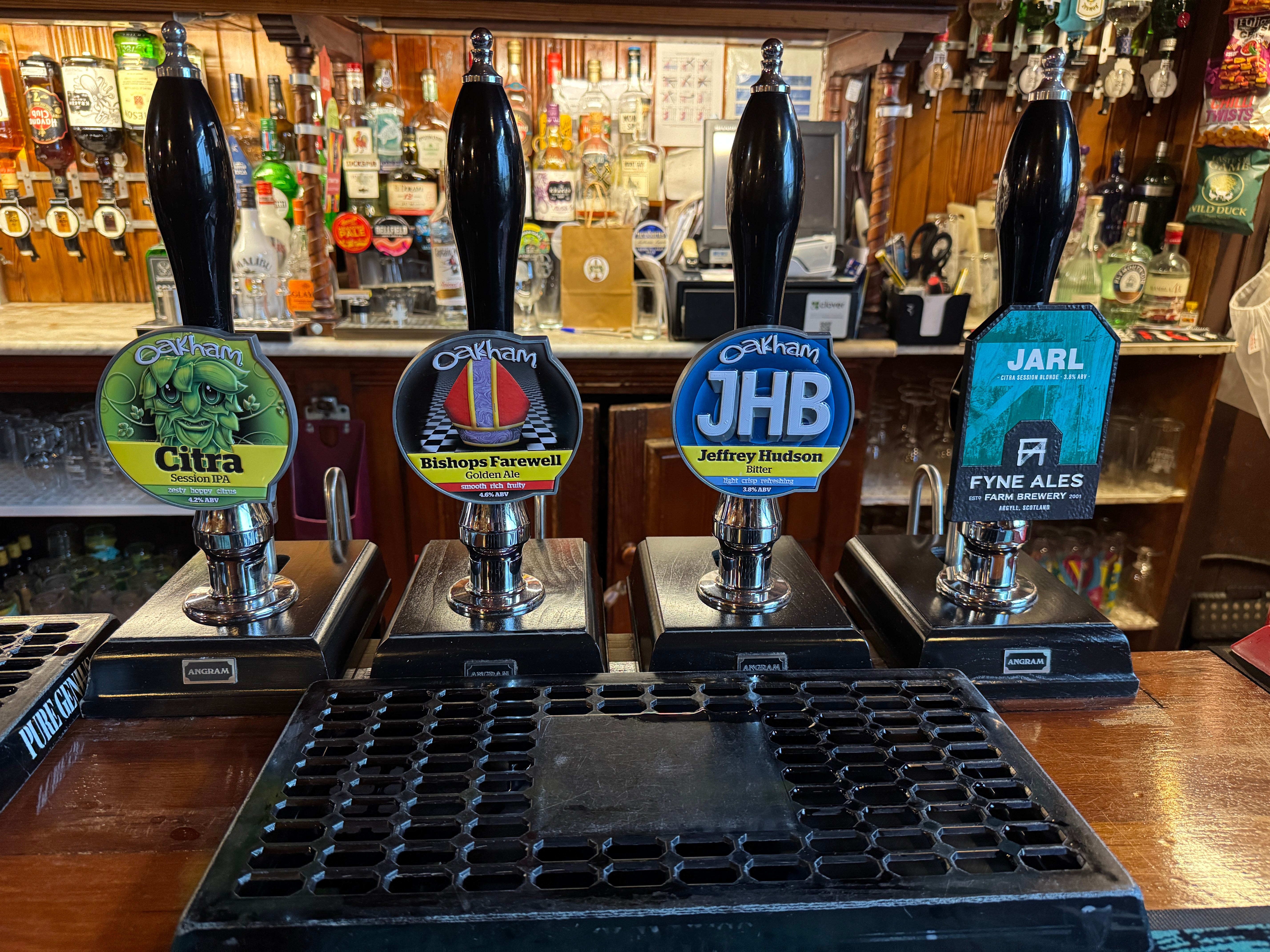
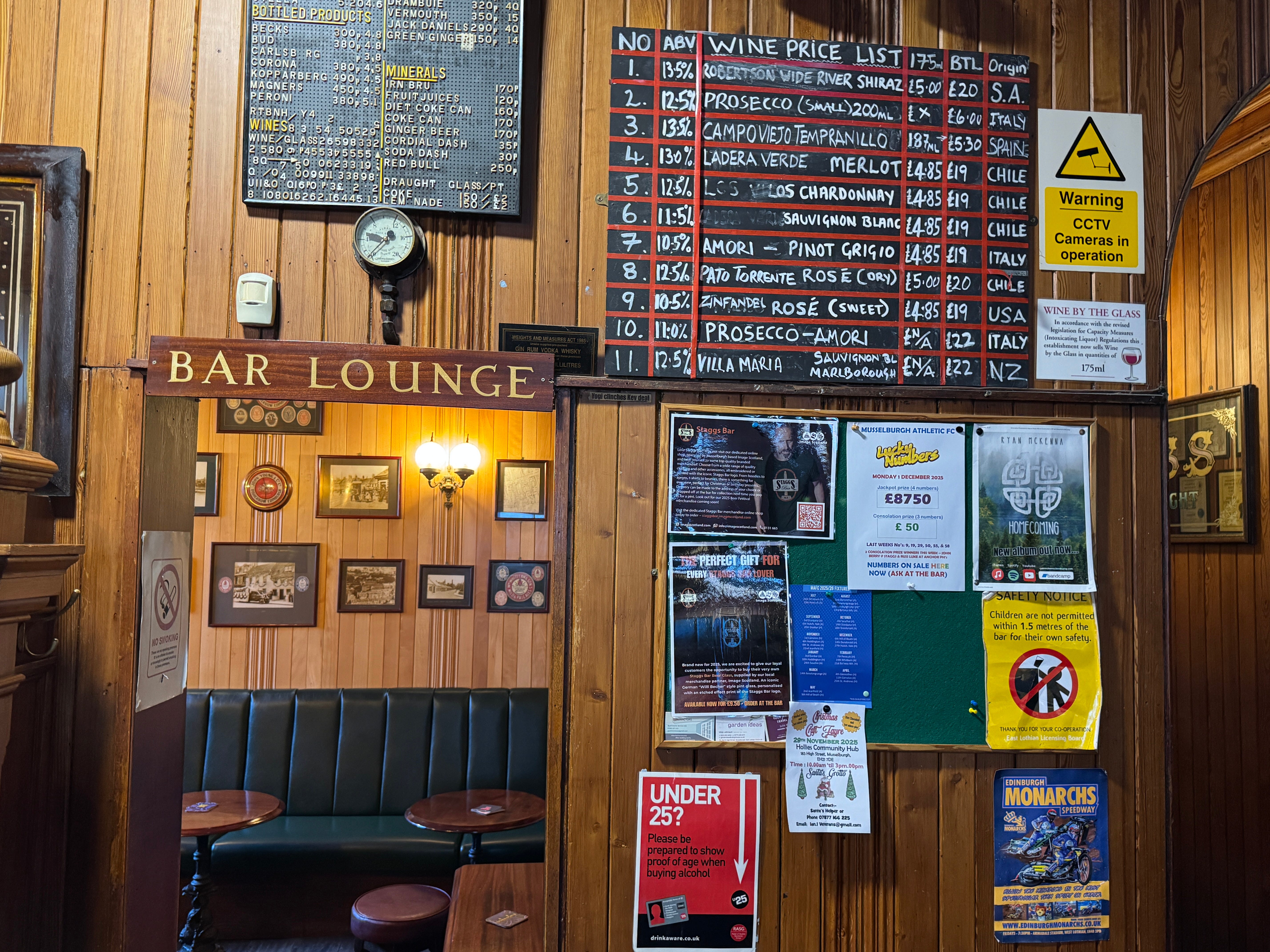
The bar has eight real ales on tap, including four guest beers that change every three to six days, which Katie chooses. It is a tough decision, she says, as “we get breweries emailing us every day. We are trying hard to be more inclusive with our choices and have a gluten-free or vegan option as often as possible so that there is something for everybody to enjoy.” They also serve a range of low alcohol or no alcohol beers, sales of which have massively grown this year.
Katie’s beer choices are not always what Nigel agrees with; however, he grudgingly acknowledges: “Despite my best efforts, I don’t know everything.” Nigel is pleased his daughters are both involved, “It’s brilliant, and they’re both interested.”
He is passionate about real ale, believing the secret to good beer is maintaining constant temperature and keeping the lines they are pumped through clean, but adds: “There is more to it than that.”
The next generation behind the bar at the Staggs is both realistic about the future. Katie and Hayley both agree their hope is survival.
Plans are already being put in place. To combat high energy costs, they have installed solar panels on the listed building’s roof. Katie successfully argued with planners that they were essential to reduce costs; the stark alternative being an empty, boarded-up, historic pub.
Tough times
Colin Wilkinson, managing director of the SLTA (Scottish Licensed Trade Association), pulls no punches. “There have been notable closures in Edinburgh within the past year. But I don’t think that they will be the last.
“Pubs are under a great deal of cost pressure, making it very difficult for operators to continue being able to run their businesses. Increases to National Insurance, employers ‘ contributions, are crucifying a lot of businesses.
“I’ve heard that some people have 100% increase, which defies logic, because the industry is under such pressure at the moment, because of the way we are rated, and increases like this can’t be justified.”
In the face of significant business rate hikes, the hospitality industry is campaigning for the Scottish Government to protect them from the ongoing crisis by reducing rates for the sector.
“We are a staff-intensive industry that employs a large number of young people. The national minimum wage has increased again and is now 65% more than it was five years ago. The national living wage also increased, so that means additional costs for employers in terms of both wages and employers’ contributions. Let’s also not forget that staff on higher levels of pay will also be looking to maintain their differential with staff at lower levels of responsibility.”
As a result, many pubs are reducing staff days and hours in order to survive.
Wilkinson says something needs to be done quickly, such as reducing VAT and business rates for hospitality venues. “That could be done tomorrow, because all they would need to do (to reduce business rates) is introduce a lower poundage rate for the licensed hospitality sector. We really need to have something to help us, we just cannot keep going on like this.”
If you were looking for an excuse to go to the pub, then ensuring the survival of your favourite watering hole is just another good reason to head to your local.
