


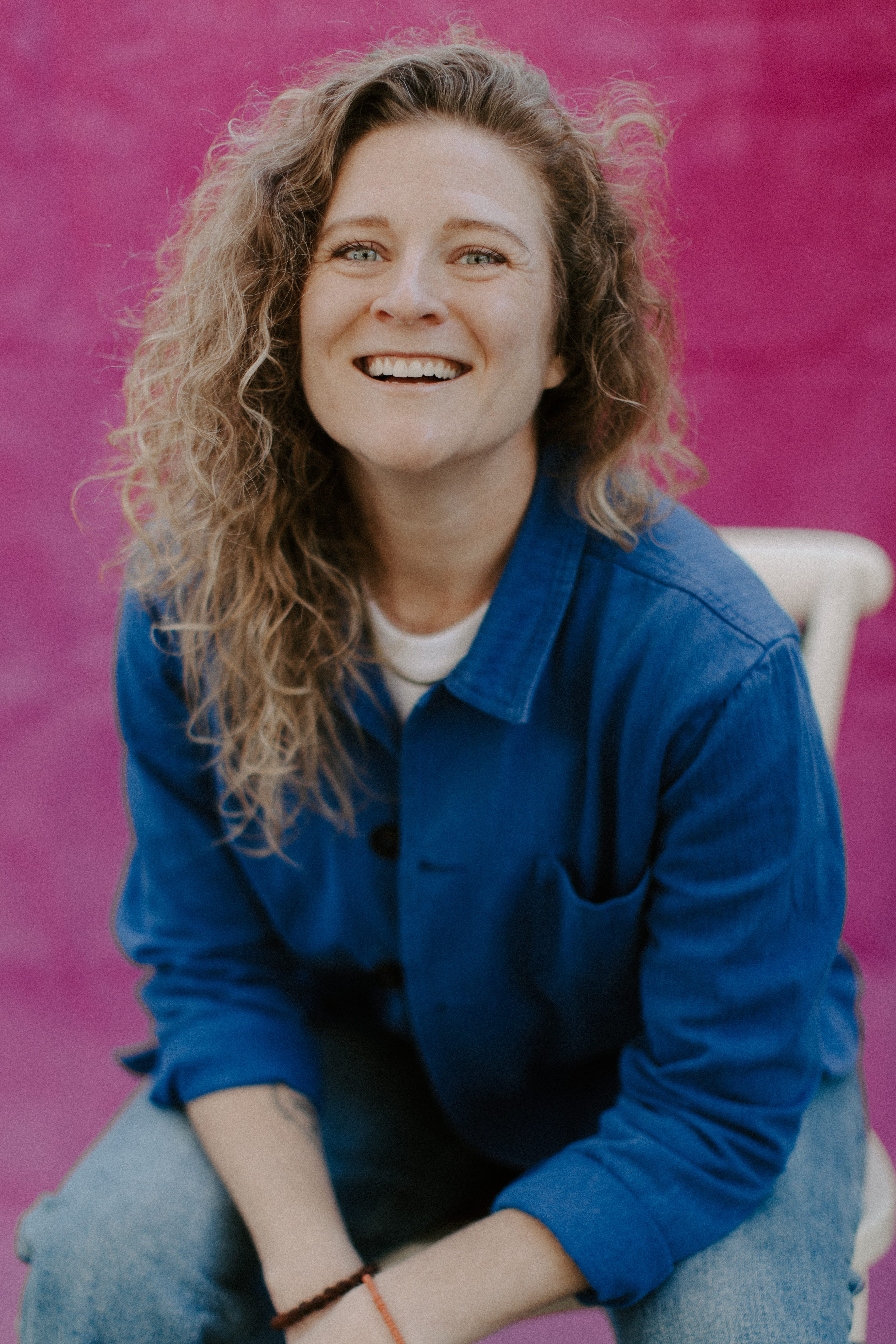
“You have to be going a million miles a minute, or it feels like you’re not doing enough. And maybe that’s just me. Maybe people can be in New York and not feel that way. I felt that way. And I felt, quite frankly, burned out. I was like, ‘I need a shift.’”
Edinburgh is, without question, one of the world’s great cultural capitals. Yet, if we are to be brutally honest with ourselves - and as a city of professional sceptics, we usually are - much of that cachet is rented. It arrives in a chaotic, rain-spattered caravan every August, turning the city into a global stage, only to pack up its tents and leave us to the grey damp of September, writes Will Quinn. For the other eleven months, despite the valiant, often brilliant efforts of our local bastions - the Traverse and the Lyceum, arguably royalty in the realm of UK regional theatre - the struggle is real. They fight the same headwinds as any other regional house, battling for funding and audiences in a model that is decidedly subsidized, not commercial. We do not tend to birth multi-million dollar commercial juggernauts on the banks of the Forth.
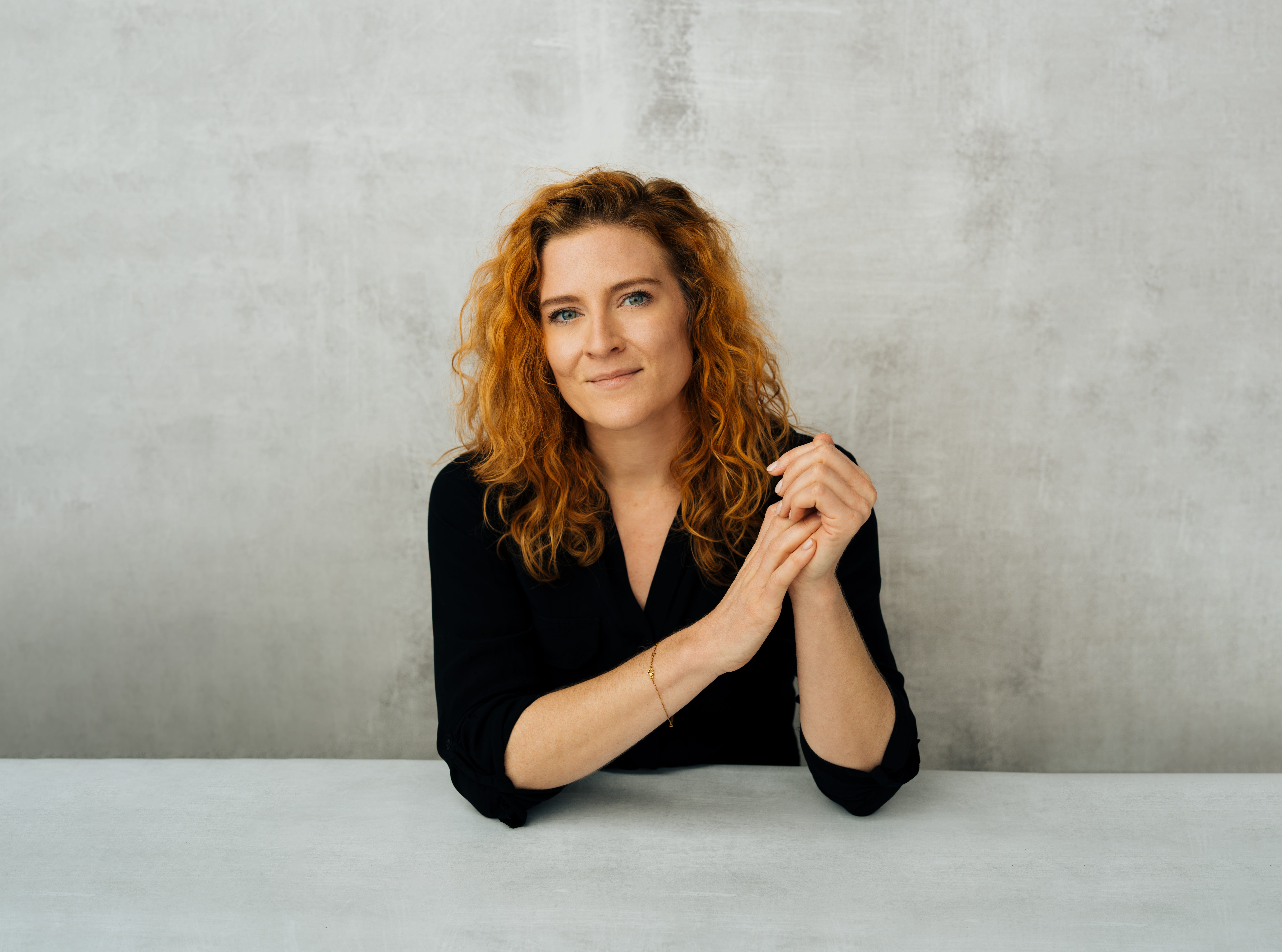
It is rare, then, to find a two-time Tony Award winner deciding this city is not a stopover, but a home. Sally Cade Holmes, the producer behind the commercial titan Hadestown and the multi-award-winning The Inheritance, moved to Edinburgh shortly before Christmas. It was, she admits, a necessary “downshift” from fifteen years of the New York hustle.
However, if Holmes has come here for the quiet life, she is failing spectacularly. While acclimating to the damp chill of a Scottish winter, she is simultaneously joining the producing team for one of the most promising gambles of the upcoming Broadway season: the revival of CATS: The Jellicle Ball. Now she’s asking whether you’d like to invest in the ‘next big thing’ on Broadway.
The Hustle and the Identity
“I lived in New York for 15 years, and that becomes a bit of your identity. I hustled pretty hard in the city,” Sally Cade Holmes explains, sitting in a quiet corner of her adopted city. “I started in the non-profit sector. Oh, that’s a lie. I started in the scrappy Off-Off-Broadway sector when I moved to New York. I was, like, seeing all of these plays and excited about the plays, but also wanting to bring in production elements that I felt like my friends and I could do on a shoestring budget.”
The evolution from a “shoestring” enthusiast to a Broadway powerhouse was more organic than planned. “We started a tiny company and I was acting at the time. And as that company grew, I realized, ‘Wait, acting might not be for me.’ But what am I doing? What am I even doing in this company? And I realized it was producing. And that put me on a trajectory of working in admin and artistic director offices and ultimately finding commercial producing, which is what I did for the last 10 years of my career in New York.”
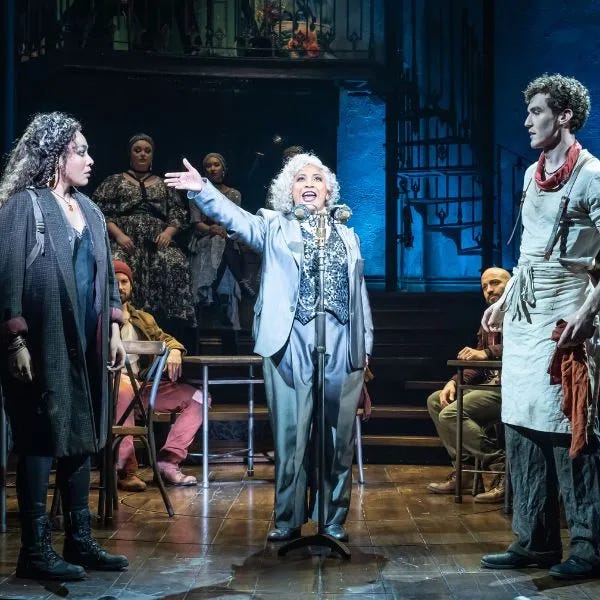
That trajectory took her through some of the most prestigious rooms in American theatre, from Tom Kirdahy Productions - where she was mentored by the late Terrence McNally - to the Williamstown Theatre Festival. Her portfolio became a testament to a specific kind of taste: the mythical resonance of Hadestown, the heartbreaking scope of The Inheritance, and the dark comedy of Little Shop of Horrors.
“And that took me to a lot of different places. I worked with non-profits. I worked as a commercial producer partnering with non-profits, doing enhancement productions. I worked on Broadway. And then in 2024, I really felt like I was ready for a shift, and a lot of wonderful things happened, and I landed in Edinburgh. Still... still doing theatre and working in the cultural space, but kind of wondering what’s next for me.”
The Edinburgh Transition
The decision to choose Edinburgh as the site for that shift was a mix of professional curiosity and a relationship that spans the Atlantic. Her partner, a movement and intimacy director, is British and works extensively in the UK.
“And this opportunity arose to move here based on my wonderful partner. She’s British. And it has felt like a downshift in how I live my life, but with all of the same cultural richness that I had already... I’m still figuring out what exactly the implications of that are in my life, other than feeling immensely lighter generally.”
Since arriving, the lighter feeling hasn’t translated into an idle one. “I’ve actually been in Edinburgh since November, which has been a delight. I think I’m going to make that an annual thing of hunkering down during the winter, like perhaps we were meant to.”
Despite the hunkering, the siren call of Broadway remains impossible to ignore when the right project appears. “Oh my god. You can take the girl out of New York, but all of my friends and colleagues are still on that side of the artistic world.”
Reimagining the Jellicle Ball
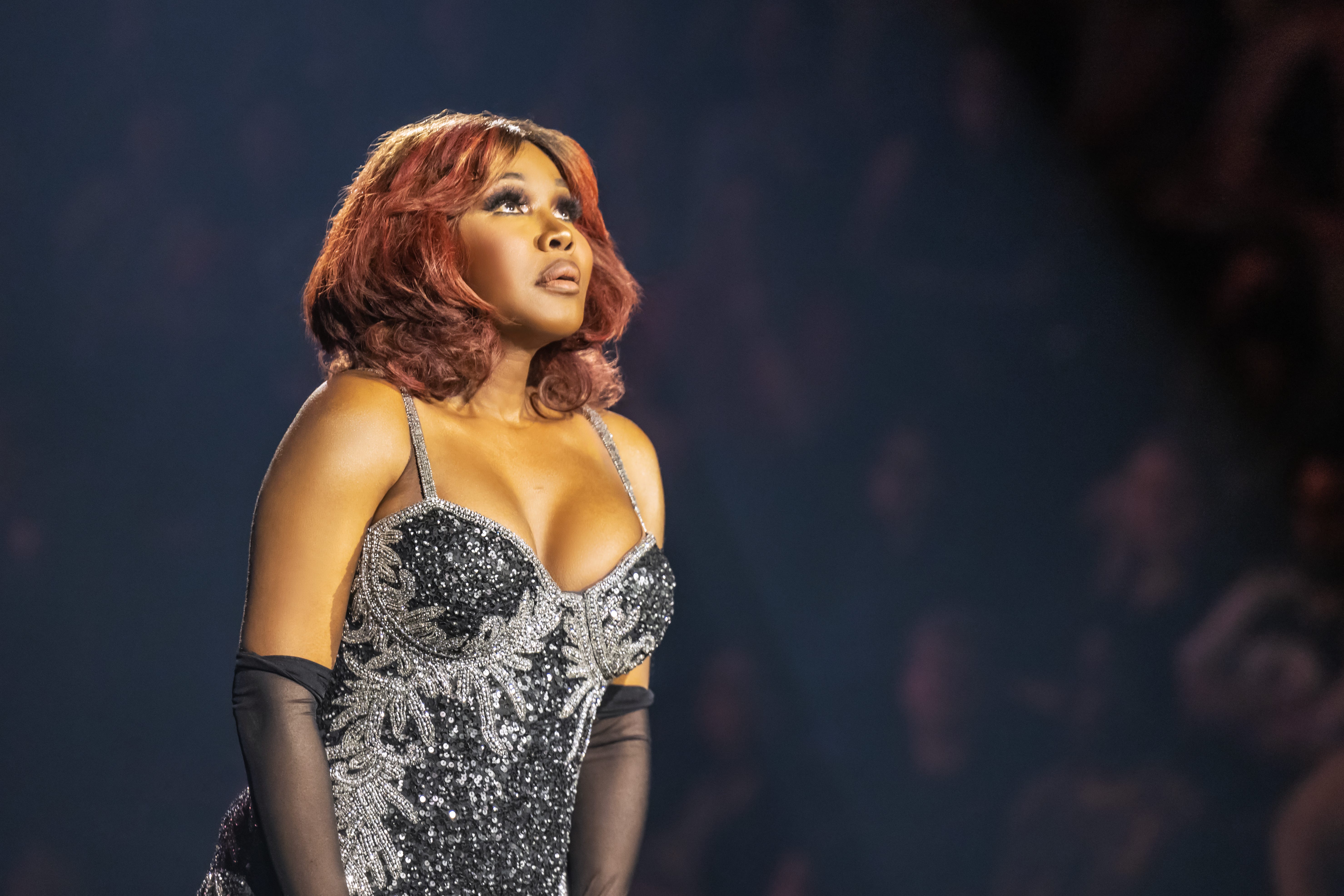
The project currently consuming her Zoom calls and spreadsheets is one of the most talked-about transfers in recent years: a revival of Cats that strips away the literal feline whiskers for the high-fashion grit of Harlem Ballroom culture.
“I had seen it Off-Broadway. It was my favourite thing that I saw last season. It was doing what I craved from theatre practice. It was welcoming in the community. It felt alive in a way,” Holmes says, her voice rising with the kind of genuine fan-girl enthusiasm that marks her most successful productions.
“The Off-Broadway production was done in the round. It celebrates Harlem ballroom culture, and it puts that entire lens on top of the underlying source material that is Cats. It’s doing what I think revivals can do, which is opening up a source material to exciting and new interpretations. I was blown away by it Off-Broadway. I was leaning in the whole time. I was watching the audience around me feel like... just the joy bomb of a production.”
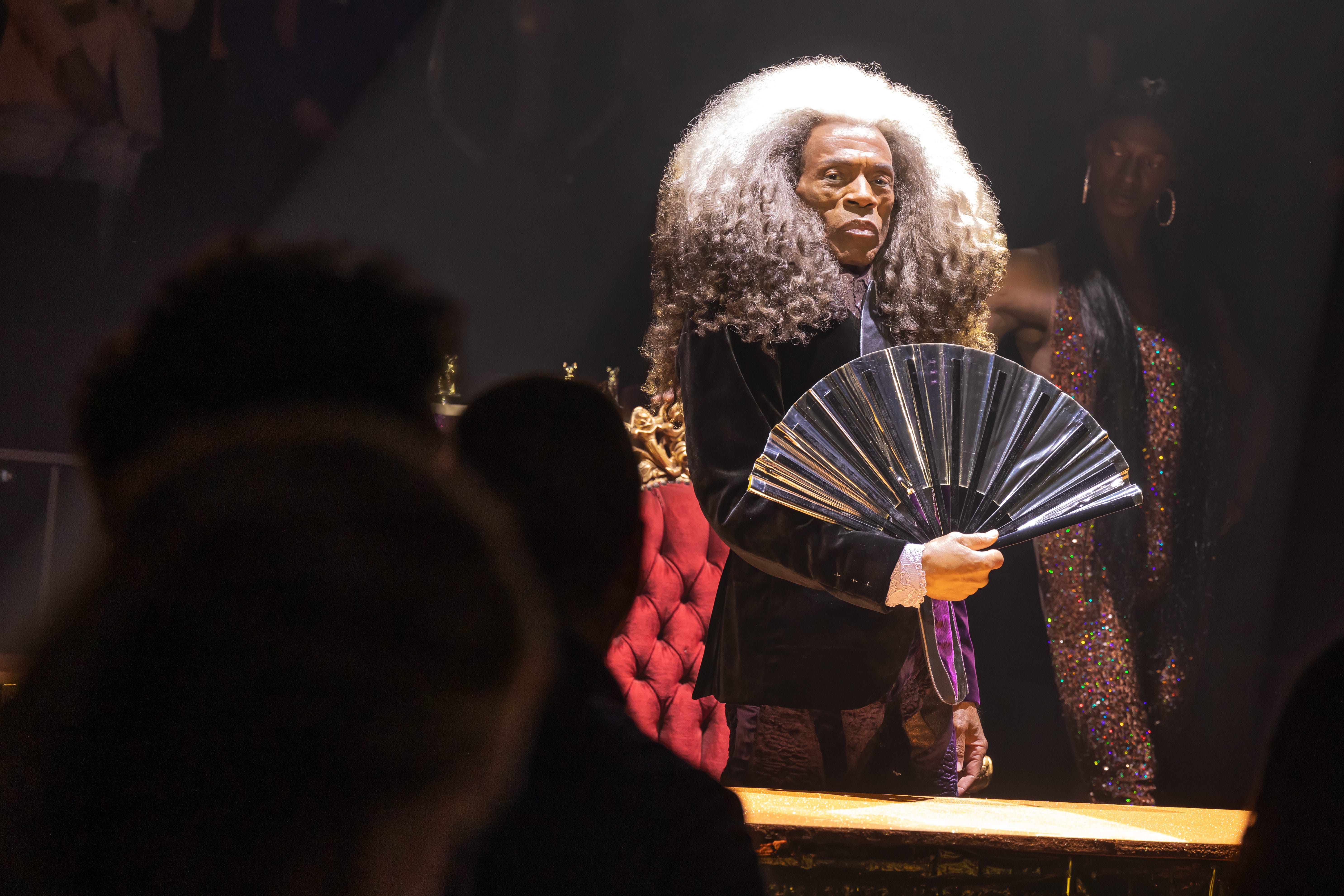
When news broke that it was moving to the Great White Way, Holmes felt a peculiar pang - the FOMO of the artistic advocate. “In September, I heard it was coming to Broadway. I reached out to the producers, and I was like, ‘Hey, I’m interested in coming onto the producing team.’ And I started reaching out to my investors. They were kind of lukewarm on it. Then months pass, I’m like grieving the fact that I’m not on the producing team, and I have a conversation with one friend of mine who was like, ‘Hey, let’s go in on this together’ in the last two weeks. And that collaboration is the thing that I needed.”
The Producer’s Role: Cheering and Raising
For the uninitiated, the title “Producer” can feel nebulous. In Holmes’ case, as a co-producer on this show, it involves the heavy lifting of capitalization.
“There are a bunch of different roles on the producing team. There are the lead producers who are, you know, they’re in charge of the entire capitalization of a Broadway show. And then they bring on what’s called co-producers. Co-producers are folks who are responsible for a portion of the raise for a Broadway capitalization. So I will be in charge of a portion of that raise.”
But it isn’t just a financial transaction. “Being on the team means representing the show in the world. It means being a massive cheerleader. It means talking it up to my friends. It means, you know, finding the allotment that I’m responsible for, looking for those investors, and bringing on folks that I am excited to collaborate with onto the team.”
When asked about the financial mountains required to scale Broadway, Holmes is matter-of-fact. “In the past few years we’ve seen capitalizations as high as 25 million dollars for a Broadway musical. This capitalization is 16 to 17 million. And funny, but that feels reasonable. Broadway shows, the costs have escalated in recent years. And that makes it a tricky landscape. But it also makes it exciting for properties that are already loved. People love - well, people love or hate Cats. Yes. But with this new creative impulse behind it, I think that there’s nothing but love. I think it makes the underlying source material sing in a new way that people who think that they hate it will see it in a new light.”
The Honest Value Proposition
In the UK, theatrical funding is often synonymous with grant applications and the shifting winds of subsidized bodies. In Holmes’ world, the “value proposition” is personal and stark. It requires a specific kind of mental fortitude.
“Would you say that joining the producing team of a Broadway show... is an act of optimism?” I ask.
“Infinitely hopeful. Yeah, yeah. It is, you know, Broadway is a hard industry. 10 percent of shows recoup their investment,” she notes, pulling no punches. “And that’s also as a producer, I’m responsible for making sure my investors understand that. It is a high-risk sector. And yet, people who are fans of the act of bringing people together in a room, they understand that. They understand that, you know, you can donate to a non-profit organization. You can also contribute this way. You can invest and it has the potential for an upside as well. I know those folks who invested early on in Hamilton are very happy with their decision.
“I think what sets me apart as a producer is that I’ve existed in both worlds, and so I understand the value proposition of both and why both have their places. It depends on the day, but usually I am drawn more towards the commercial side of things because it feels like a very honest value proposition.”
An Invitation to the Team
For Edinburgh - a city not lacking in finance - the prospect of investing in a Broadway marquee is a novelty. Holmes is actively seeking partners for her portion of the raise, but she leads with a moral clarity that would put many fund managers to shame.
“I think about this a lot. What are the ethical and moral values assigned to taking someone’s investment in a Broadway show in such a high-risk sector? I am always honest with my investors that if you can’t never see this money again, you should not give it to a Broadway show. The end. If ever a producer comes to you and says that something is a surefire bet, do not trust them. It is a high-risk situation.”
Still interested, well Sally Cade has the bottom line for you, “...the minimum investment is typically 25,000 dollars. So that’s fewer pounds, but that’s the minimum. And that is going up more and more. Because everything else goes up.”
For those who do - maybe you? - sign on the dotted line, the rewards extend beyond the balance sheet. “I think the part about being an investor that is so enticing is that you join a team. Like, you join a group of humans who are doing this project to birth something into the world. And typically when something goes on Broadway, there is a further life to it, whether that’s a tour, whether that’s going from Broadway to the West End, whether that is, you know, licensing potential.
“I think my personal style is human first. There is a tendency, I think to see this as a transactional business and I really try to recognize that yes, it is a commercial industry, but that because it’s such a high-risk endeavour, I’m actually partnering with the human who is putting their own faith into a piece of art. It’s not just a financial transaction.”
Learning the Scottish Landscape
Despite her Tony-winning background, Holmes enters the Scottish scene with humility. “I enter any conversations with anyone I’ve met in Edinburgh, in Scotland at large, as someone who has a lot to learn. I just moved here. Yeah. I have so much to learn about the cultural landscape of Scotland, the cultural landscape of Edinburgh. And that’s what I’m excited about.”
She is interested in the intersection of art and social responsibility. “I’ve noticed like my career I feel like despite having all of these contacts on Broadway and loving, you know, being a part of that, I’m interested in broader cultural conversations. Where do the performing arts fit within this really tense sociological moment that we find ourselves in as humans with the split between all of this information that we have access to and what our responsibility is locally?”
And the local reception? “I also want to add that I’ve never met a more welcoming community of artists. I know I have accolades or whatever, but everyone that I’ve come into contact with seems genuinely just interested in getting to know you as a human. And that has been so refreshing and has made me want to learn from this community. I also feel like when I moved here in July and when the Fringe came in August, I felt like I was in New York! Everyone I knew was here, and I was like, ‘Wait, I just moved across an ocean.’ So I feel like I have the best of all worlds and a new community to learn from and a landscape to offer my expertise to.”
Redefining the Mecca
One of the more profound shifts in perspective Holmes brings is a challenge to the “Mecca” narrative of London and New York. While those cities remain the dipoles of theatrical capital, she sees the cracks in the old models.
“I think that there is so much opportunity. Broadway is the musical that tours through Peoria, Illinois. You know what I mean? There are two definitions of Broadway. The insiders are aware that it is the 41 theatres in the middle of Midtown Manhattan. The regular theatre-going public thinks of it as musical theatre.
“If we were to embrace that bigger umbrella of what Broadway or the West End are, I think that you would have more engagement locally instead of going to London for your theatre fix. Go to the community theatre. Go to the subsidised theatre down the street. I think we’re in a time of great systemic shifting where our old models are cracking, so there is an opportunity in creating more destination theatre.”
The Year Ahead: From Cats to The Tattoo
Holmes’ calendar is, in her own words, “absurd.”
“Spring, there is lots of travel for a company that I work with called Play On Shakespeare, which is a company focused on modernizing Shakespeare plays in rigorous and poetic ways. I’m the Head of Partnerships with them, so that means that I am constantly trying to get our translations of Shakespeare into production and into interesting places, and that takes me all over the globe.”
Closer to home, she is finding work in the most local of institutions. “I’ll be working with them. I have my work with Cats. I’m working a bit with the Tattoo as well. And then I also want to be here as much as possible. Have a couple of big trips. My mom is coming to visit in April. I can’t wait to show her Edinburgh.”
And, of course, there is the Fringe. “Play On has a show in the Fringe this year! So I will be here for that. We have Midsummer coming with Carnegie Mellon University’s Center for New Work Development. So I will have a show at the Fringe. And then Gender Play, which is another play that we’re working on, which is a riff on William Shakespeare’s work by Willow Wilhelm, who’s a genius artist, and playing with kind of the gender queerness within William Shakespeare’s work.”
Regarding the Fringe as a launchpad, she remains a pragmatist. I note that despite the rising costs, the Fringe remains one of the few places to try and launch work like Operation Mincemeat, which went from a Fringe sleeper hit to West End royalty.
“I think that for a certain show, it is 100 percent the best way to get seen, but it has to be a very certain type of show,” she agrees. “Operation Mincemeat began at the Fringe and then went on a wild ride into the West End. 100 percent. And I think that show worked really well in that context. If you can cut through the noise of Fringe, that is a great way of bubbling up and getting attention.”
The Hopeful Venture
As the Scottish winter bites, Sally Cade Holmes seems to have found her allotment - a blend of Broadway risk and Edinburgh’s lighter air.
“I think all art is, on some level, a hopeful venture. It’s Illustrative of the world we want, and that’s what Cats was for me when I saw it. I desperately wanted to be a part of it, and I think what’s changed for me is that I wasn’t going to do it if it was too hard. Because I also want ease for myself. In the past, I would have said yes and I would have hustled and would have done it.”
This time, she “waited for the moment where I could do it with a partner to make it... more responsible.”
That partner could now be you. If you’re reading this and find yourself with the cash to spare on a unique Broadway adventure, Holmes is offering a seat at the table alongside a producer with a track record to envy.
Ultimately, Holmes’ presence here is a test case. Can you really run a Broadway empire from the EH postcode? Can you maintain the career while seeking the “ease”? But her presence is also a test for us. Edinburgh likes to think of itself as a heavy hitter. We have the festivals, we have the history, and we have the money. So can the city use her to catalyse some sort of theatrical revolution? Can Edinburgh start looking outwards, at least during the 11 months when we aren’t bringing the theatrical world to us?
Holmes is already offering something new. She is inviting local capital to step into the ring with the big beasts of Broadway. It is a proposition that demands more than just deep pockets; it demands a leap of faith. Maybe the only result will be a moment of pride to see your name on the production team of a show that dazzles Broadway; maybe you’ll make a little profit. But beyond that, as the song says, “If I can make it there, I’m gonna make it anywhere”, and why couldn’t that “anywhere” be right here in Edinburgh?