

Scotland’s annual homelessness statistics tell us that the majority of people who have been made homeless find themselves in that situation because they cannot afford the rent; they have been asked to leave where they were staying; or because they have been discharged from prison, care or hospital.
However, these statistics only tell the smallest fraction of the story. Broken systems, cyclical poverty and Edinburgh’s housing emergency often underpin these ‘explanations’ - making homelessness entirely out of the control of the person making the application.
However, they can also act as a good starting point for charities like Cyrenians to pinpoint where they can ‘intervene’ and stop homelessness before it starts.
In last week’s article, we talked about how Cyrenians works to prevent homelessness, by looking at the demographics of people who are most at risk and helping build up a support network around them. This week, we are exploring the next part of a ‘public health approach’: in other words, early intervention.
Before we go on, we would like to ask you to please consider donating £8 a month to support Cyrenians work – please follow this link to get started. Thank you for your generosity!
Many reasons system is broken
There are many reasons why a person may not be able to afford rent. In Edinburgh, even if you are in full-time work, it can be incredibly hard to make ends meet. If you are in receipt of unemployment benefits, it is impossible. It’s clear that this system is broken – but until it is fixed, we have to look elsewhere for solutions.
The foundations of ‘long-term unemployment’ are laid when young people leave school, without support to figure out what they will do in the future.
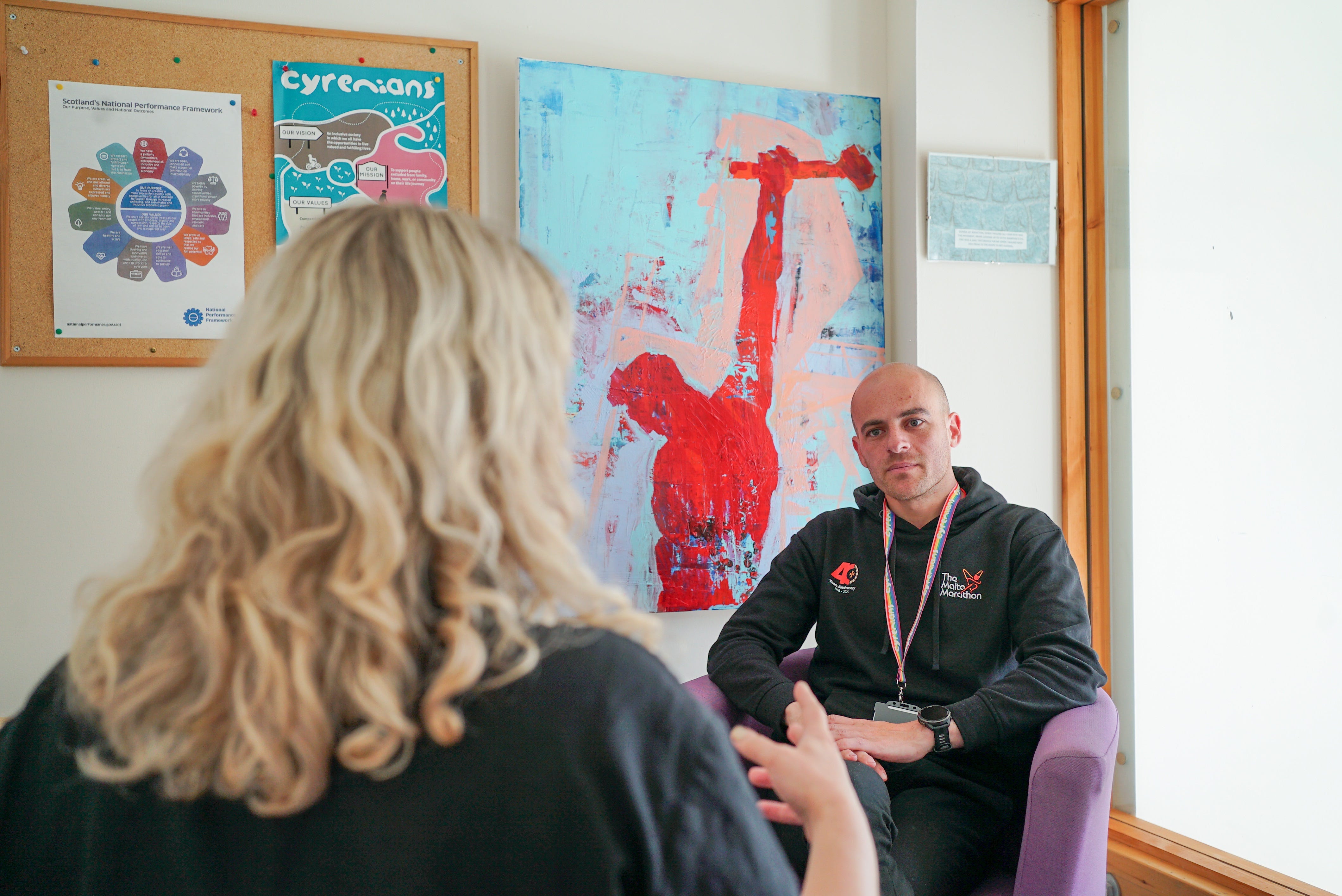
Mark Pearson, who has coordinated Cyrenians Key to Potential and Key to College services for thirteen years, speaks from experience when warning of the negative impact that can have. He said: “Statistics show young people with few qualifications living in areas of multiple deprivation are at a higher risk of becoming long-term unemployed. This then can lead to poverty, a higher likelihood that they will be involved in or a victim of crime, poor mental and physical health issues and, eventually, homelessness.”
To interrupt that cycle, our services help young people leaving school who have stopped attending and may have few or no qualifications. We assist with many essential tasks on leaving school, like opening up a bank account or getting a Young Scot card, that without our assistance may not get done. We can also help them get into work and college.”
Role of mediation
It’s not hard for Mark to see the impact of his work, he just needs to walk around the community where he lives: “Recently I got on a Lothian Bus to find that the bus driver was one of my clients seven years earlier. With Key to Potential assistance, he went to college to study hospitality, and this is where his career and life choices had taken him. I’ve bumped into loads of former clients, out in the world and in work. One of them said, ‘it was you who started me off though.”
Helping people into gainful employment can play its part in interrupting any inevitability of homelessness, but it cannot necessarily inoculate against the family arguments, breakups, overcrowding or domestic abuse that can lead a person fleeing, or being asked to leave, their home.
Some relationships are unsalvageable, and some are dangerous. In these cases, mediation is not on the table. But for many young people in particular, it can be the difference between a happy home life and sleeping on the street.
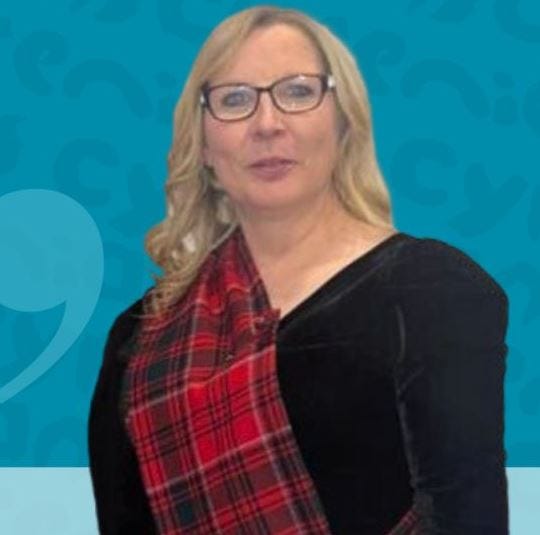
Kerry Watson, Manager of Cyrenians Mediation services, observed how the housing emergency in Edinburgh was only making that worse: “In cities like Edinburgh, many young people would like to leave their family home, and are at an age where they are expected to, but they just cannot afford to live in this city. This means conflict can escalate.
Many of our clients are living in small houses or flats, where they don’t have much personal space. I can’t personally control the rental market to help young people find a home of their own. But what our team can do is help families get on a little bit better.”
The team’s mediation sessions require both parties to adhere to a code of conduct that includes listening to each other without interruption. Operating in a neutral space, or somewhere where the young person feels relaxed or safe, Kerry and her team see incredible progress even after a few sessions.
“We keep many families together through our work. And even if we aren’t able ensure they are living under the same roof, we can help them rebuild a healthy relationship, so they don’t lose that person entirely. That is so important.”
We’re all vulnerable at points of crisis…
It is true that all of us are at our most vulnerable to homelessness, poor health or any number of other problems when we are at a transition point in our life. That might be when moving to a new city, leaving our childhood home or when getting a divorce. Or it might be when leaving prison or waiting in the hinterland between living with an untreated mental health problem and medical care. It’s at times like these that early intervention is most crucial.
Many of Cyrenians ‘Keep in Touch’ suicide prevention service clients have been referred by primary care but face long waiting times before they receive specialist help. This waiting period can be incredibly difficult — people can lose hope, disengage from their GP or support networks, and in some cases, their housing situation can start to deteriorate as their mental health worsens.
Keep in Touch acts as a bridge during that time. They maintain consistent contact through phone calls and face-to-face meeting. By helping individuals manage their mental health, build confidence, and stay connected, they reduce the risk of crisis situations that can lead to homelessness.
Carl Storah, who manages the service, said: “At Keep in Touch, prevention and early intervention aren’t just words — they’re the difference between hope and despair. We reach people at a moment when they feel invisible, when they’re hanging on but haven’t yet fallen into crisis. That’s where the real change happens. A phone call, a conversation, a cup of tea — small things that remind someone they still matter, that they’re not alone, and that their life has meaning.
By stepping in early and staying by their side, we stop people from disappearing into homelessness, hopelessness, or worse. It shows what’s possible when statutory and voluntary sectors work together to close the gaps in support.”
What Carl articulates is what Cyrenians strives to provide across all of its services. When we are facing crisis, and our public services are stretched, charities are able to act as a safety net, catching those who slip through the cracks. This Winter, please do consider giving £8 a month (click here), to help them continue to do this vital work.